Romania's Measles Crisis: EU's Worst Outbreak as Vaccination Rates Plummet
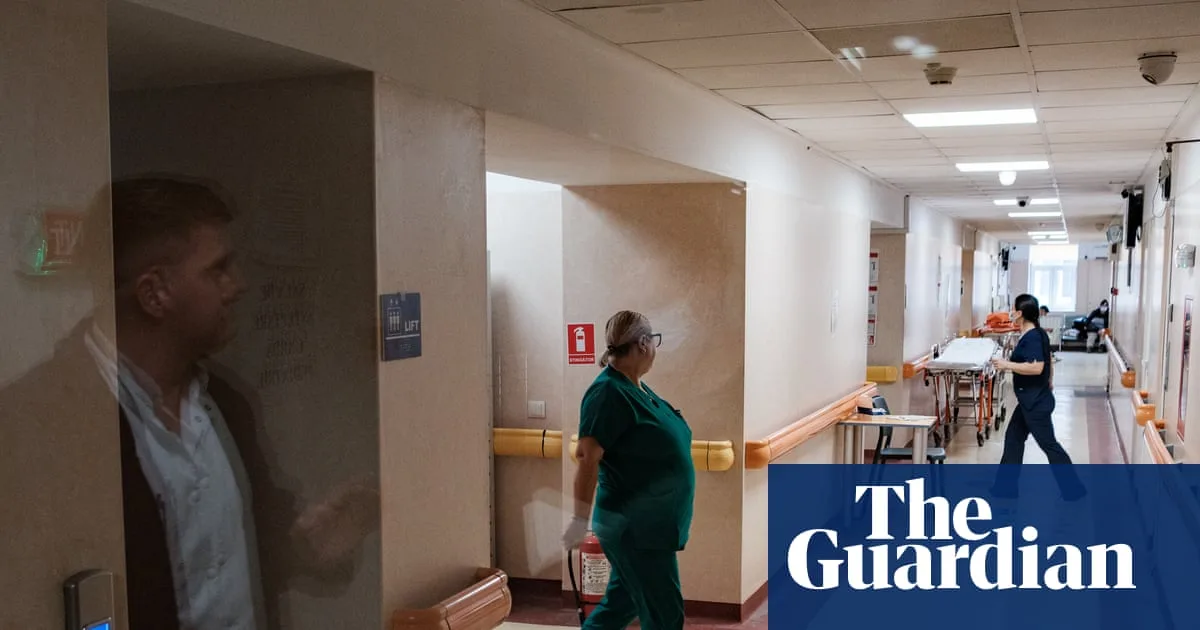
In the paediatric ward of the National Infectious Disease Institute in Bucharest, nurses move quietly, a stark contrast to the chaos of recent measles epidemics. Romania is grappling with the most severe measles crisis in the European Union, a situation described by doctors as a 'powder keg' ready to explode.
A Community Under Siege
By 10am on a spring day, the corridor of a clinic in Săcele, a Transylvanian town, is already packed with parents and children waiting to see Dr Mirela Csabai. She is one of only seven general practitioners serving over 30,000 people. While most cases are routine, the calm is fragile. In 2024, a measles epidemic ravaged this community, claiming the life of an unvaccinated toddler.
'As long as vaccination rates remain low, it's a powder keg,' warns Dr Csabai. 'Once an epidemic starts, it is already too late to vaccinate. We need to act now.'
Alarming Statistics and Root Causes
Romania has endured four measles epidemics since 2005, with brief periods of respite. Between 2023 and 2025, the country recorded more than 35,000 cases and at least 30 deaths, predominantly among infants too young for vaccination. In 2024, Romania accounted for about 87% of all EU measles cases, far surpassing Italy, which reported just over 1,000. Measles can lead to severe complications like pneumonia and encephalitis, especially in children.
The crisis stems from a dramatic collapse in vaccination rates. The first dose of the MMR vaccine is recommended between 14 and 18 months, with coverage rising from 47.4% at 14 months to 81% by 18 months, still well below the 95% threshold for herd immunity. Uptake of the second dose at age five is just over 60% nationally, dropping to as low as 20% in some communities, according to the National Institute of Public Health.
Dr Aurora Stanescu, an epidemiologist at the institute, states, 'It's absolutely insufficient for measles. A firm political commitment to limit the number of deaths is necessary. This is a national security issue.' Romania's MMR rate, once above the European average of 93% in 2010, has been declining, a trend accelerated by the Covid-19 pandemic.
Parental Struggles and Systemic Barriers
Casandra Stoica, a 25-year-old mother from the Roma community, entered Dr Csabai's consultation room with three of her children. Two of her older daughters contracted measles during the 2024 outbreak in Brașov county, the hardest-hit area with four child deaths. With no space at the local hospital, Stoica had to seek care in a neighbouring county.
'I got scared when the girls fell ill and now I want to vaccinate them all,' she says. However, living in two rooms without running water or electricity makes it difficult to attend appointments or follow vaccination schedules.
Gabriela Alexandrescu, country director for Save the Children, explains, 'The decision not to vaccinate doesn't always come from the parents.' The organisation has warned that Romania faces its worst vaccination crisis in decades, citing structural issues like poverty, medical deserts, and overburdened GPs.
Broken Systems and Overstretched Doctors
Vaccination is not mandatory in Romania. Since 2015, responsibility has shifted exclusively to GPs, increasing bureaucracy and straining an already stretched system. School nurses, who once provided a safety net, are no longer allowed to administer vaccines.
At the Săcele clinic, Dr Simona Codreanu cares for over 3,000 patients, seeing more than 50 daily. 'The majority of children get vaccinated at birth, but then they never return for the full schedule,' she says, noting charts where children over five have few vaccines recorded. One of her patients died in the last epidemic after contracting measles from an unvaccinated sibling.
Dr Mihai Negrea, an epidemiologist from Târgu Mureș, highlights structural bottlenecks. Under current rules, only GPs are reimbursed for administering vaccines, forcing other doctors to pay out of pocket for supplies and certification. 'The main cause is not just anti-vaccine views but bad management of the system,' he says. 'By the time you manage to get your child vaccinated, it can take a month with all the paperwork – and parents can change their minds.'
He advocates for community vaccination centres and expanding vaccination rights to other doctors to ease the burden on GPs.
Fear and Misinformation in Online Spaces
Fear has found fertile ground in Romania's broken system. Closed online groups amplify anxieties among mothers debating the MMR vaccine. The Guardian spoke to several mothers who halted vaccination schedules due to unfounded fears, such as a link to autism, which has been thoroughly debunked.
Laura, 36, decided against the second MMR dose after the first jab, driven by these fears. 'I'm not anti-vaccines, but I have fears around the MMR vaccine and most of all I'm put off by doctors not explaining things and not taking responsibility for side-effects,' she says.
Some parents, like Nicoleta Dima, eventually reconsider. She delayed her child's MMR vaccine until age six due to fears of allergic reactions, now recognising they were unfounded. 'My fear was largely fuelled from the outside,' she admits. 'I realised just how manipulated we are, and that I had effectively trapped myself in an unfounded fear. I realised that every unvaccinated child contributes to these epidemics.'
Doctors' Empathy and the Path Forward
At the Matei Balș National Institute in Bucharest, wards are now quiet after being full during the 2024 outbreak, which saw five deaths in the city from measles complications. Dr Gabriel Lăzăroiu-Nistor, an infectious disease doctor, warns the respite is temporary. With low vaccination rates, he expects another serious outbreak soon.
'We must not forget our empathy and patience to explain to patients,' he says. 'There's a small minority who are firmly anti-vaccine, but the rest are undecided.'
This distinction between committed refusers and the uncertain middle is crucial for frontline doctors. In Săcele, Dr Csabai treats parents like Maria Olescu, 31, who vaccinated her first two children but stopped due to side-effect fears and religious influence. 'We don't cut ties with parents who choose not to vaccinate their children, because that means we lose them for ever,' says Dr Csabai. She builds trust by addressing other health issues, hoping to encourage vaccination before the next epidemic.
'It is sad and regrettable that we still have children dying of measles,' Dr Csabai reflects. 'It hurts to see children suffer from preventable diseases. I think it's our fault as doctors first: we have to earn their trust and we have to break the cycle.'






