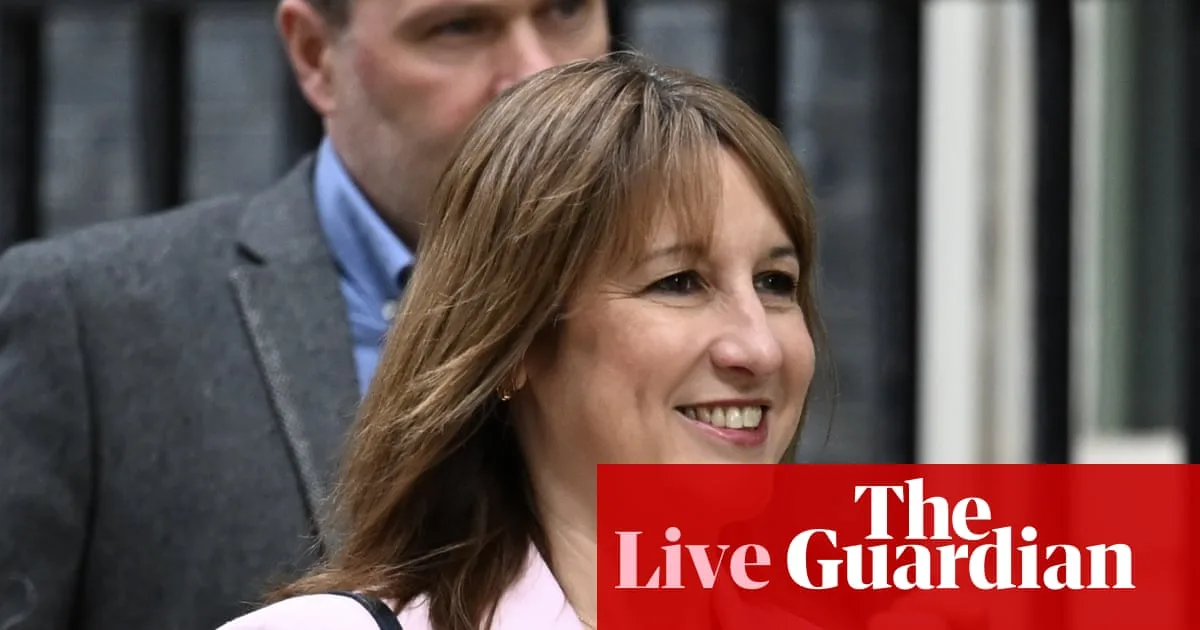
Chancellor Rachel Reeves has issued a stark warning against jeopardising the UK's economic stability, following official figures showing an unexpected uptick in growth for March. The comments arrive at a time of heightened political tension, with Prime Minister Sir Keir Starmer facing a possible leadership challenge.
Surprise Growth in March
Gross domestic product (GDP) rose by 0.3% in March, according to the Office for National Statistics (ONS), defying expectations as the first full month after the onset of the US-Israeli conflict with Iran. This contributed to a stronger-than-anticipated 0.6% expansion over the first quarter of 2026, marking the fastest quarterly growth since early 2025 and surpassing the 0.5% forecast by analysts.
Responding to the data, Reeves stated: "The choices I have made as Chancellor mean our economy is in a stronger position as we deal with the costs of the war in Iran. Now is not the time to put our economic stability at risk. To do so would leave families and businesses worse off. Instead, this Government is getting on with the job of building an economy that is stronger, more resilient and prepared for the future."
Political Uncertainty Looms
Reeves's remarks come during a turbulent period for the government, with Sir Keir's leadership under scrutiny following disappointing local election results and murmurs of a potential challenge to his position. The ONS data provided a temporary boost for the Chancellor, indicating the economy had shown more resilience than expected in the first three months of the year.
The services sector was the primary driver of growth, with output increasing by 0.8%, particularly in computer programming, advertising, publishing, and wholesale. Manufacturing output also rose by 0.8%, while construction grew by 0.4%.
Economists Warn of Stalling Growth
Despite the positive figures, experts caution that the momentum is unlikely to last. Thomas Pugh, chief economist at RSM, warned: "The latest data probably means we’ve already had almost all the growth we’re likely to see in the UK economy this year. Surging energy prices, higher borrowing costs, and a renewed bout of political uncertainty will conspire to bring growth almost to a standstill for the rest of the year."
The ONS noted signs of "front-loading" in March, with businesses and consumers bringing forward activity ahead of anticipated supply shortages or price increases. For instance, retailers reported motorists stockpiling fuel as prices rose sharply.
Suren Thiru, chief economist at the Institute of Chartered Accountants in England and Wales, described the first quarter as "probably the high point for the economy this year," citing a "short-term boost from firms stockpiling in anticipation of shortages and price rises." He predicted output would "likely halve" in the second quarter of 2026.
Ben Jones, lead economist at the CBI, added: "The rebound in GDP growth in the first quarter looks unusually strong, largely reflecting February’s outsized gain. This pace of growth is unlikely to be sustained, particularly as the effects of the Iran conflict begin to be felt. With higher fuel and energy costs feeding through and disruption to global supply chains set to intensify the longer the Strait of Hormuz remains closed, pressures on businesses will mount, creating headwinds that are likely to weigh on growth through the remainder of 2026."