Beyond Vaccines: Parents Refusing Vitamin K Shots and Other Newborn Care
Doctors across the United States are expressing grave concern as skepticism fueled by rising anti-science sentiment and medical mistrust extends beyond vaccines to other proven, routine preventive care for newborn babies. This troubling trend is placing vulnerable infants at risk of serious, preventable health complications.
Alarming Statistics on Care Refusals
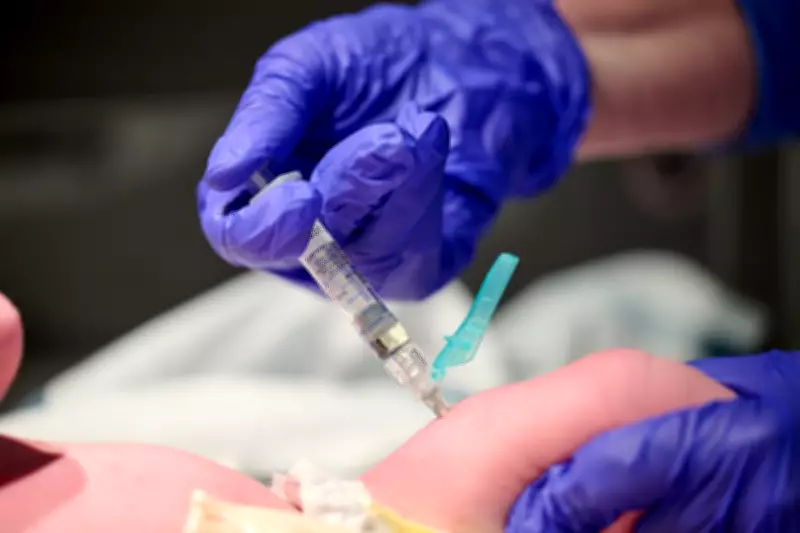
A recent study published in the Journal of the American Medical Association, which analyzed more than 5 million births nationwide, revealed that refusals of vitamin K shots nearly doubled between 2017 and 2024, increasing from 2.9% to 5.2%. Additional research indicates that parents who decline vitamin K injections are significantly more likely to refuse other essential newborn interventions, including the hepatitis B vaccine and erythromycin eye ointment designed to prevent potentially blinding infections.
"When you look at a child who's innocent and vulnerable—and a simple intervention that's been done since 1961 is refused—knowing that baby's going out into the world is super worrisome to me," said Dr. Tom Patterson, a pediatrician with nearly three decades of experience who serves as president of the Idaho chapter of the American Academy of Pediatrics.

The Dangerous Consequences of Refusal
Babies are born with critically low levels of vitamin K, leaving them vulnerable because their intestines cannot produce sufficient amounts until they begin eating solid foods at approximately six months old. "Vitamin K is important for helping the blood clot and preventing dangerous bleeding in babies, like bleeding into the brain," explained Dr. Kristan Scott of the Children's Hospital of Philadelphia, lead author of the JAMA study.
Before vitamin K injections became standard practice, up to about one in sixty babies suffered from vitamin K deficiency bleeding, which can affect the gastrointestinal tract and brain. Contemporary research demonstrates that newborns who do not receive a vitamin K shot are eighty-one times more likely to develop severe bleeding than those who do.
Dr. David Hill, a Seattle pediatrician and researcher, has witnessed the devastating outcomes firsthand. "I cared for a toddler whose parents had chosen that risk," Hill recounted. "The child essentially had a stroke as a newborn and wound up with severe developmental delays and ongoing seizures."
Other Preventive Measures at Risk
The refusal trend extends to other crucial newborn interventions. Erythromycin eye ointment protects against gonorrhea contracted during birth, which can cause blindness if untreated. The hepatitis B vaccine prevents a disease that may lead to liver failure, liver cancer, or cirrhosis.
"Even if a pregnant woman is tested for gonorrhea and hepatitis B, no test is perfect, and she may get infected after testing," noted Dr. Susan Sirota, a pediatrician in Highland Park, Illinois. "Either way, she risks passing the infection to her child."
Root Causes of Medical Mistrust
Parents cite various reasons for declining preventive measures, including fears about potential side effects, concerns about newborn pain, and a desire for a "natural birth philosophy." However, doctors identify misinformation as a primary driver.
"There's a ton of misinformation," said Dr. Steven Abelowitz, founder of Ocean Pediatrics in Orange County, California. "There are outside influences, friends, celebrities, nonprofessionals and political agendas." Abelowitz practices in an area with roughly equal numbers of Republicans and Democrats, noting that "it's across-the-board mistrust."
Social media platforms provide ample fuel for this skepticism, spreading myths and promoting unregulated vitamin K drops that doctors warn infants cannot absorb effectively. The political landscape has further complicated matters, with the Trump administration repeatedly undermining established science. A federal advisory committee whose members were appointed by Health Secretary Robert F. Kennedy Jr.—a leading anti-vaccine activist before joining the administration—voted to end the longstanding recommendation to immunize all babies against hepatitis B immediately after birth, though a federal judge temporarily blocked all decisions made by this reconfigured committee.

Doctors' Efforts to Bridge the Divide
Medical professionals are working diligently to change minds through respectful, educational conversations. "If I walk into the room with judgment, we are going to have a really useless conversation," emphasized Dr. Hill. "Every parent I serve wants the best for their children."
Dr. Heather Felton, a pediatrician at Norton Children's in Louisville, Kentucky, takes time to address specific parental concerns about vitamin K shots, explaining why they are administered and the risks of refusal. "It really helps that you can take that time and really listen and be able to provide some education," she observed.
In Idaho, Dr. Patterson sometimes finds himself correcting misconceptions, such as clarifying that vitamin K injections are not vaccines. These discussions require patience, particularly since hospital encounters often involve parents unknown to the physicians. Nevertheless, doctors remain committed to investing this time if it might save infants' lives.
"I end every discussion with parents with this: 'Please understand at the end of the day, I'm passionate about this because I have the best interest of children in my mind and heart,'" Patterson stated. "I understand this is a hot topic, and I don't want to disrespect anybody. But at the same time, I'm desperately saddened that we're losing babies for no reason."