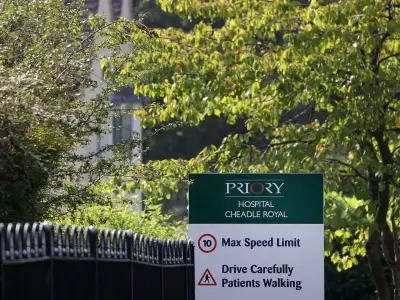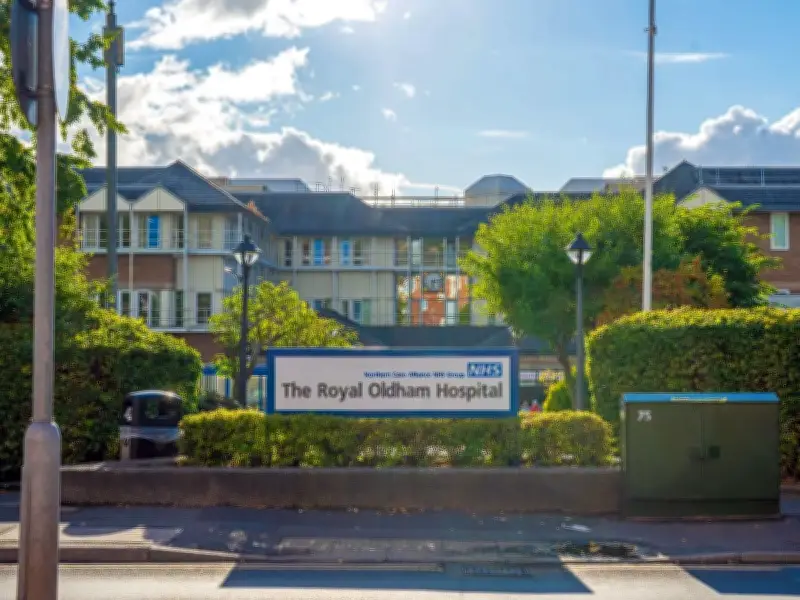
The Northern Care Alliance (NCA), which runs Salford Royal, the Royal Oldham, Fairfield General and Rochdale Infirmary, has declared a critical incident ahead of a planned walkout by more than 350 staff. The trust confirmed the move to the Manchester Evening News on Sunday evening.
Three days of industrial action
Staff including nurses, clinical support workers and housekeepers will walk out on Monday (August 24), Wednesday (August 26), and Friday (August 28) as part of a dispute over overtime payments. The trade union Unison claims an offer to resolve the dispute was initially put forward by trust bosses but withdrawn before discussions could take place.
The row centres on the trust's use of an outside agency called NHS Professionals (NHSP) to manage overtime. When covering staff shortages, the union says staff are entitled to time-and-a-half pay. However, in some cases, staff earn less than they would on a normal shift, with some missing out on more than £80 per shift.

Critical incident declaration
NHS trusts declare critical incidents when they are facing extreme pressures and feel they cannot safely deliver all core services. The NCA says that declaring a critical incident will help it get extra support to keep urgent surgery running.
On their website, the trust says that 'urgent and emergency care' will continue during the industrial action, but that 'some planned appointments and treatments may be delayed or rescheduled.' Affected patients have been contacted directly and do not need to call in to check.
Speaking last week, Gertie Nic Philib, the NCA's chief people and strategy officer, said: "We have received formal notification that our theatre colleagues will be taking part in industrial action next week. We are preparing for this period of action and are working hard to minimise disruption to services and the patients who rely on our care.
"Our focus throughout this period is on maintaining safe services, supporting colleagues and ensuring that patients requiring urgent, emergency and other time-critical care continue to receive the treatment they need. While we have not been able to reach agreement, we respect our colleagues' right to take lawful industrial action and will continue to engage constructively and work together in the interests of patient safety.
"We apologise for any uncertainty this may cause. People should be assured that, should any changes need to be made with their care, we would always contact them directly."
Patient safety concerns
The industrial action comes as the NCA has been criticised over patient safety concerns, with public records showing dozens of patients who died or were harmed due to treatment delays and serious errors made by staff working under extreme pressure. The Manchester Evening News has spoken to patients treated at NCA hospitals, including a 76-year-old who spent 36 hours on a trolley in A&E and claimed she became 'really poorly' after experiencing the NCA's standards of care.
Lengthy delays at NCA hospitals were linked with '28 deaths' and 56 issues of 'severe harm', while problems diagnosing illness led to ten deaths last year. A retired consultant doctor, Dr Glyn Smurthwaite, 65, a consultant at Salford Royal from 1995 to 2024, said it is 'utterly unsafe' and 'toxic'.
The NCA has admitted it is facing 'challenge' but said it was working to address concerns as it promised to 'drive forward improvements and maintain our focus on safety.'
Unison North West regional organiser Kevin Dolan said: "NHS staff across Northern Care Alliance work tirelessly to provide safe, high-quality care, often under immense pressure. Concerns about staffing levels, workload and patient safety are very real and must be taken seriously.
"Through our current industrial action, staff have identified that their colleagues are burnt out due to understaffing in theatres. Our members are working significant extra hours to cover sickness, fatigue, and strategic understaffing.
"Understaffing pushes staff towards working extra hours at lower rates of pay, which they do because they are passionate about patient safety. The trust can alleviate this issue but choose not to.

"Staff and their unions need to be listened to when they raise issues, and there must be a sustained commitment to recruiting, retaining and supporting the workforce. Safe staffing is not only essential for the wellbeing of NHS workers, but for delivering the care patients deserve."