
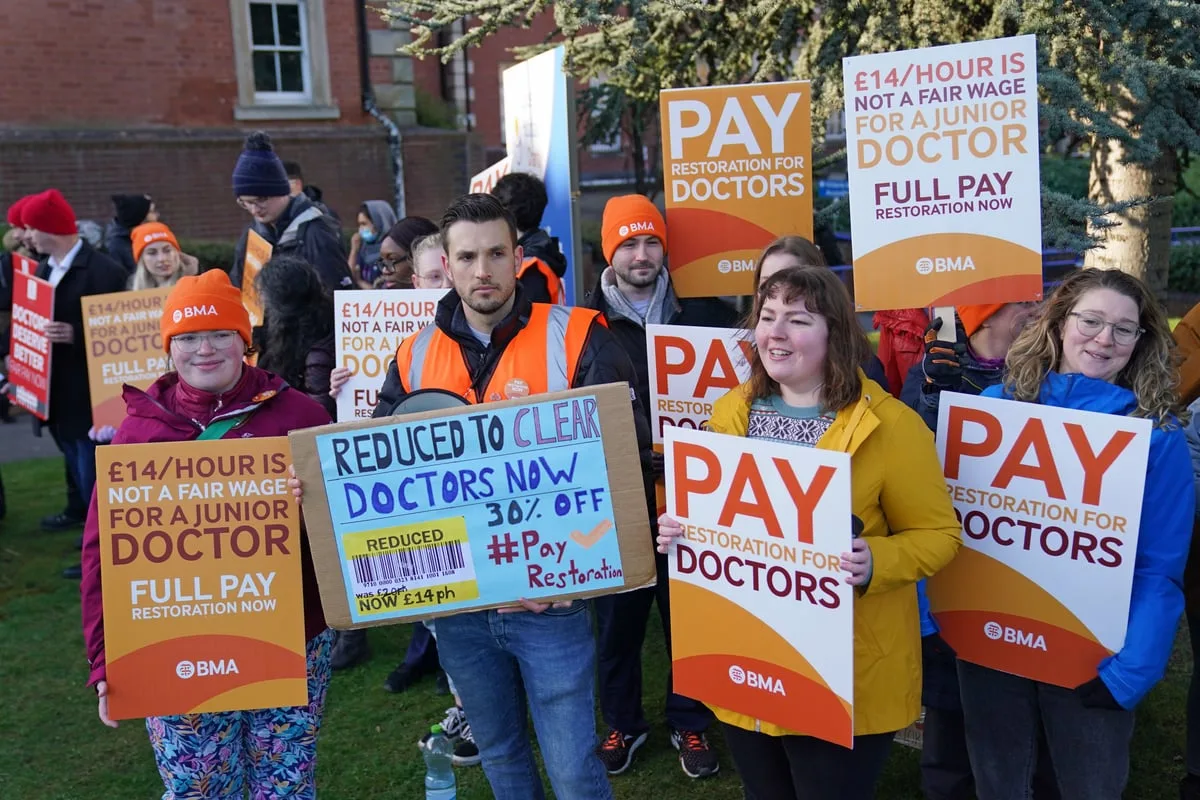
Health leaders have warned that back-to-back strikes by junior doctors and consultants will leave the NHS “struggling to catch its breath”. Junior doctors in England staged a five-day walkout from July 13 to July 18, the longest in NHS history, which is expected to have resulted in hundreds of thousands of cancelled operations and appointments.
Just two days after the junior doctors’ strike ended, hospital consultants will begin their first walkout in the current dispute from 7am on July 20 for 48 hours. Consultants will provide “Christmas Day cover”, meaning they will still deliver emergency care, but health leaders anticipate “serious disruption”.
Matthew Taylor, chief executive of the NHS Confederation, described the situation as “two Christmas Days back to back” following a working week of walkouts. He said the NHS is “struggling to catch its breath” and warned that hopes of clearing the backlog will dwindle if the pattern continues.
The Government recently announced pay increases: junior doctors will receive a 6% rise plus an additional consolidated £1,250, while consultants will get a 6% rise. Prime Minister Rishi Sunak called it the “final offer” with “no more talks on pay”. In response, consultants announced two additional strike days on August 24 and 25.
Saffron Cordery, deputy chief executive of NHS Providers, noted that these dates fall just before a bank holiday weekend, when demand is already high. She said trust leaders understand staff frustrations but stressed that “the NHS simply cannot cope with indefinite escalation of this action.”




