Families across the UK are being asked to use their Christmas gatherings as a crucial opportunity to spot the early signs of dementia in elderly relatives. Health officials from NHS England have issued a plea, stating that the festive period presents an ideal chance to observe subtle changes in a loved one's memory, behaviour, or mood before they receive a formal medical diagnosis.
The Festive Window for Early Detection
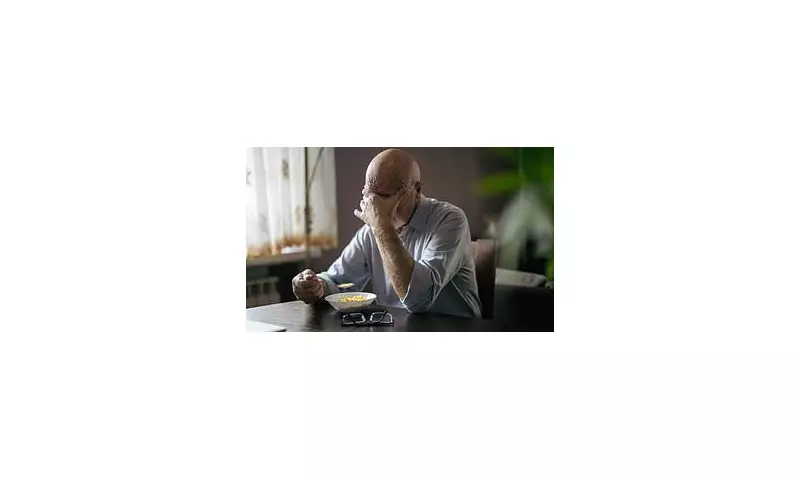
Activities central to the holiday season, such as opening gifts, sharing a Christmas dinner, or reminiscing about past years, can reveal important clues. Dr Jeremy Isaacs, the clinical director for dementia at NHS England, explained that specific difficulties may become apparent. 'Not being able to follow a much-loved family recipe or repeating stories could be a sign,' he said. Other key symptoms include struggling to follow conversations, becoming confused about time or place, and noticeable emotional changes like increased irritability.
This call to action coincides with the launch of the Defeating Dementia campaign, a partnership between the Daily Mail and the Alzheimer's Society. The campaign aims to raise public awareness, increase early diagnosis rates, boost research, and improve care for a disease that is now the UK's biggest killer, claiming approximately 76,000 lives each year.

Diagnosis Rates and NHS Targets
The NHS has a national ambition to identify at least two-thirds of all people living with dementia. However, diagnosis rates suffered a significant collapse during the Covid-19 pandemic and have yet to fully recover. Latest official figures show that 512,525 people in England have now received a formal diagnosis, an increase from 499,068 a year ago. NHS England confirms it remains committed to diagnosing as many people as possible and is running pilot projects with care homes to identify residents.
Dr Tim Beanland from the Alzheimer's Society emphasised the unique insight family gatherings provide. 'Spending time together at Christmas often brings into focus changes that can come with dementia,' he noted. 'Subtle shifts in behaviour or abilities may be more noticeable during these moments and, for some families, can be the first time they recognise signs.'
Moving Forward: Research and Support
Beyond detection, the NHS is collaborating with universities and charities to develop quicker, more effective interventions for both diagnosis and ongoing support. The public is encouraged to use a simple symptom checklist to note any concerns before consulting a GP, as everyone experiences dementia differently.
With diagnosis rates still rebuilding, the message from health leaders is clear: the festive family reunion is not just a time for celebration, but also a vital, compassionate moment for observation that could lead to earlier help and support for thousands.