NHS England is rolling out a new patient safety initiative, the Paediatric Early Warning System (PEWS), across hospital emergency departments in England to help staff identify children whose conditions are dangerously worsening. The system is intended to save lives ahead of winter, when pressure on the NHS is at its highest.
How PEWS works
Under the system, healthcare professionals use a standardised approach to monitor children, looking at heart rate, breathing rate, oxygen levels and other signs of deterioration. Doctors and nurses will be able to assess vital signs such as blood pressure, heart rate, breathing rates, oxygen levels and consciousness, and flag to medical staff when a child is deteriorating.
In an Instagram post, paediatric doctor Dr Sahil Nichani issued an urgent alert about the changes, which are set to roll out this winter. He said: "So there's a new NHS patient safety initiative that's being rolled out in A&E departments across England and I want all parents to know about it."
Parents' concerns part of the process
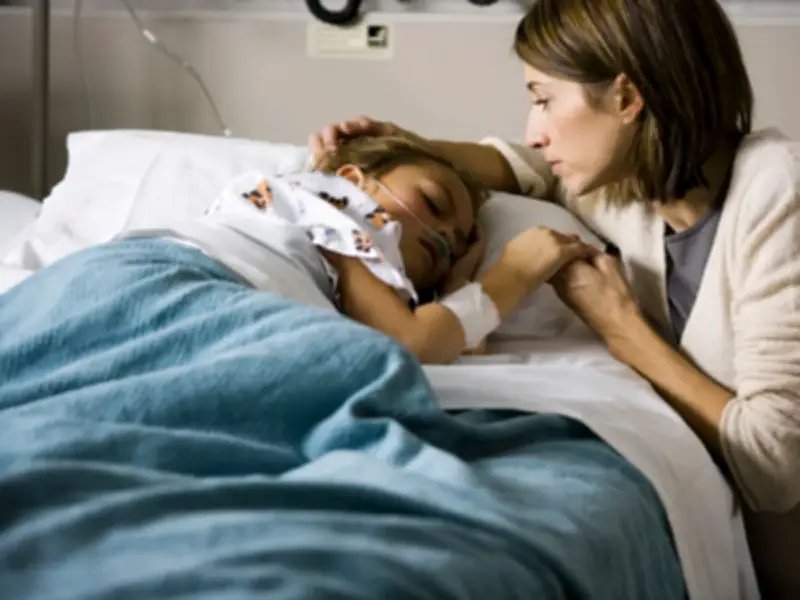
Dr Nichani said the important aspect of the system is that parental concerns can be part of the escalation process because parents are "the first person to notice something isn't right". He added: "Imagine you brought your child to A&E because they've been unwell. They've been assessed and now you're sitting in the waiting room, but over the next hour, your child becomes more sleepy, they start to breathe differently or they're just not themselves.
"Previously, some parents may have felt they had to wait until their child was called but you should never wait quietly if you think your child is getting worse. If you're concerned, go to a member of staff and say 'I'm worried that my child is deteriorating, they're not behaving normally and I'd like them to be reassessed urgently'.
"You don't need to know what their heart rate is or oxygen levels to know something isn't quite right. And you shouldn't feel uncomfortable about raising concerns because as a paediatric doctor, we understand the medicine but you understand your child. And the safety healthcare happens when we listen to both."
Rollout and aims
The new system will be rolled out in emergency departments late 2026. NHS England said it was not designed to replace professional judgment or the input of parents, carers and children into a child's condition. It is also developing new standards for children's treatment in A&E, with plans to make eliminating corridor care for young patients a priority.
The overall aim is to ensure seriously ill children are recognised sooner, concerns are taken seriously, and treatment is provided without unnecessary delays.