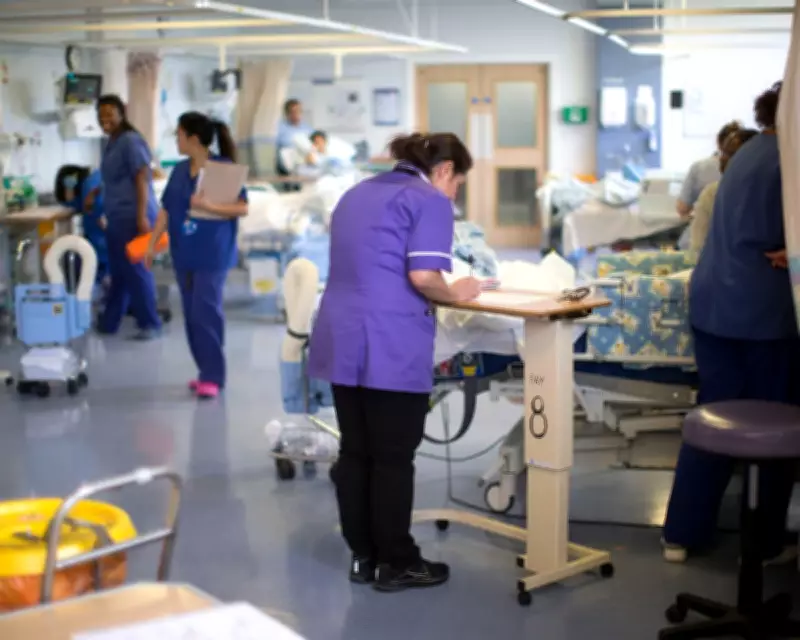
The latest figures from the Royal College of Nursing paint a worrying if unsurprising picture. Two-thirds of NHS nurses believe that staff shortages are putting patients at risk, according to a recent survey. However, to achieve safer staffing levels, we must look beyond recruitment and listen to those leaving the workforce about what needs to change.
Why Nurses Are Leaving
For former nurse Zoe Anderson, the issue was the complete incompatibility of a nursing career with normal family life. She describes the rigid system of inflexible, inconsistent shift patterns and a complete lack of control over her schedule as making it impossible to balance her career with life outside work. Despite three years of training, she left after just 12 months on the job.
Anderson is not alone. Chronic inflexibility forces thousands of colleagues to leave the careers they love every year. While recruitment is important, without breaking this cycle, no number of new nurses will deliver lasting results. Nurses know they are not signing up for a nine-to-five job; long hours and unsociable shifts are part of it. But in 2026, there is no reason why NHS staff should be forced to give up basic flexibility, career autonomy, and work-life balance that peers in other industries take for granted.

Anderson believes the tools to deliver a modern approach to workforce management already exist within the NHS. What is needed is a commitment from leaders to put plans into action and ensure the next generation of nurses are not forced to choose between work and life. This means giving them real autonomy over their careers and shifting away from the misguided assumption that flexibility and productivity are mutually exclusive.
A Personal Tragedy
Jill Whitehead shares a heartbreaking story that underscores the consequences of nurse shortages. Her son died of bowel cancer in December at age 46. He died two weeks after a delayed diagnosis because there was no one to perform his colonoscopy. He spent his last week in a cardiac ward, the only place with a bed after waiting 48 hours in A&E. The ward was in the oldest part of the hospital, built in 1928, and in poor repair.
The ward had only one qualified male nurse on duty for part of the time, excluding evenings. It relied on unqualified care assistants who could not administer pain relief, which was only available in another part of the hospital. Her son was eventually transferred to a hospice for his final 24 hours, where he received decent care. Whitehead states that the NHS care was wanting from start to end and fears this is now the norm. She calls for a major reorganisation of the NHS to benefit patients and incorporate social care.