The government has approved the controversial High Speed 2 (HS2) rail project, designed to link London, Birmingham, Manchester and Leeds. However, a review has warned that costs could double to as much as £106bn, highlighting a recurring issue with major government projects.
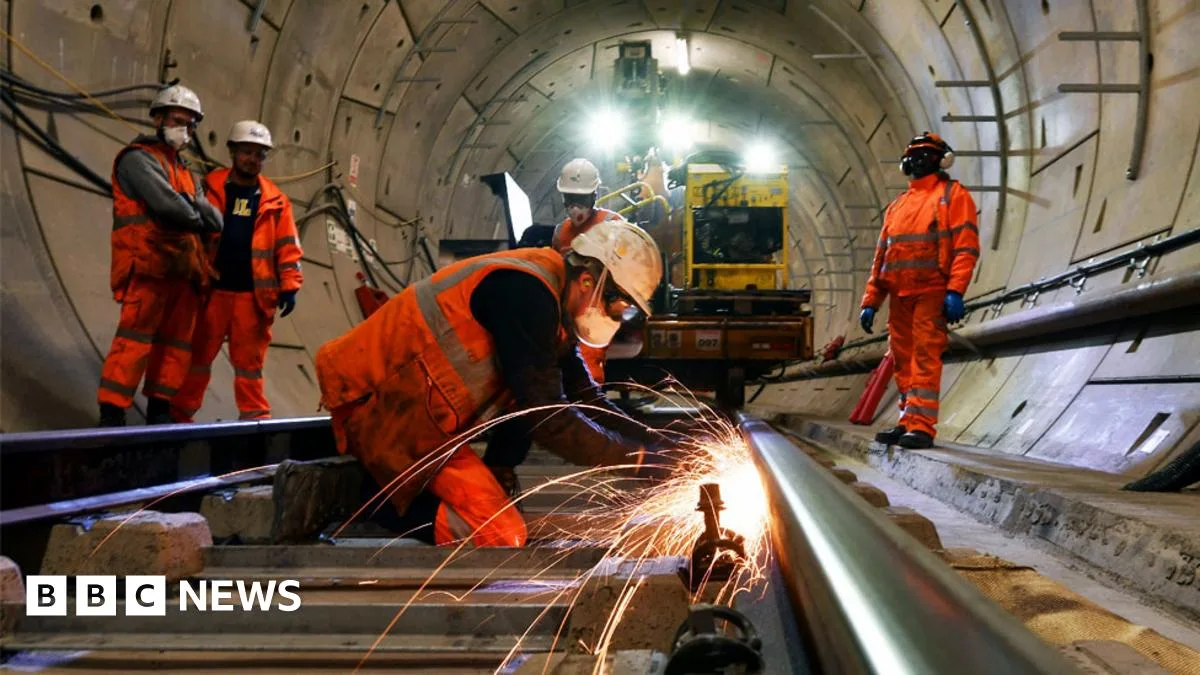
HS2 is far from alone in exceeding its initial budget. Crossrail, a rail line running through central London, was meant to open in December 2018 but is now not expected to fully open until mid-2022. The service, between Berkshire and Essex via central London, is set to cost £18.25bn – more than £2bn over the original budget. Delays have been caused by software problems with the new signalling system and longer-than-planned work on Bond Street and Whitechapel stations.
Universal credit, the government's plan to replace six existing benefit payments, also suffered early setbacks. The National Audit Office found that almost three-quarters of the cost of setting up universal credit had gone on the IT system, which struggled to cope and was prone to crashing. The system could not identify potential benefit fraud, leading to multiple manual checks. The national rollout was postponed, and universal credit is not expected to be fully live until September 2024, adding £500m to the overall cost.
The Scottish Parliament building opened in 2004 with a price tag of £414m, more than 10 times the original 1997 estimate. A public inquiry found a management failure of 'gigantic proportions', with civil servants, politicians and construction managers all to blame. The inquiry also noted that the initial £40m estimate 'never had any basis in reality' and that quality had been prioritised over cost.
Historically, most major government projects have not delivered on the promises of their initial cost-benefit analysis, according to a 2013 National Audit Office report. The NAO blamed 'over-optimism' and unrealistic assumptions about time, costs and risks. This problem is not unique to the UK; Nick Davies from the Institute for Government says that nine out of 10 mega-projects worldwide go over time and over budget. Meg Hillier, chair of the Public Accounts Committee, notes that political pressure to make early announcements often leads to 'back of an envelope' initial costings.