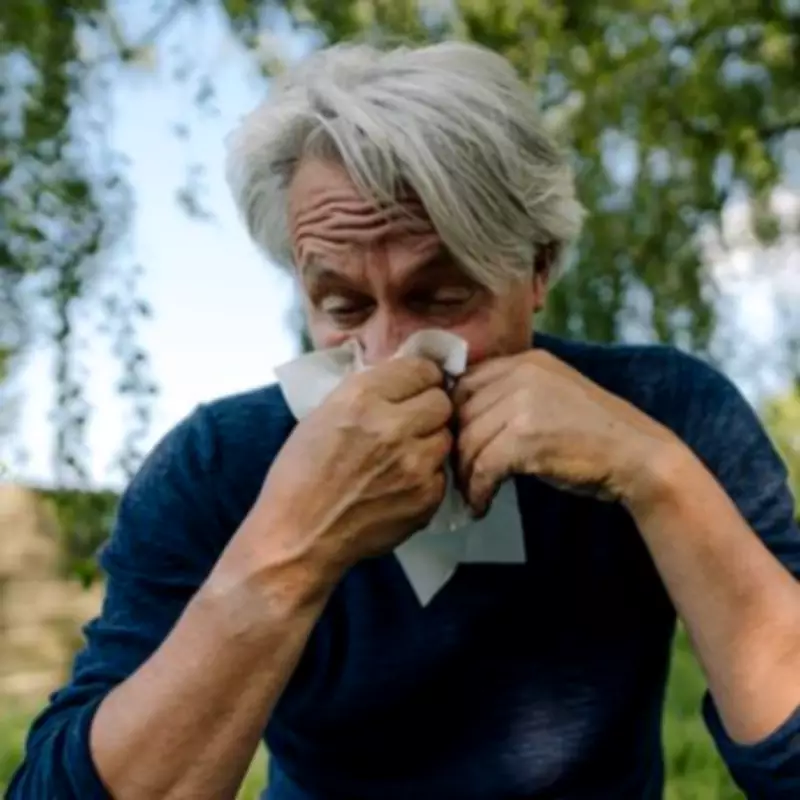
An unusual nostril trick recommended by the NHS could help alleviate hay fever symptoms, as the Met Office warns of high pollen counts in several UK regions this weekend. With an estimated 13 million people in Britain affected by hay fever, also known as allergic rhinitis, this simple hack provides a practical way to minimise exposure to airborne allergens.
High Pollen Levels Forecast Across the UK
According to the Met Office, three specific areas are expected to experience high pollen counts on Saturday, March 21. These regions include Grampian, Central, Tayside, and Fife in Scotland, as well as North East England. Additionally, Yorkshire and Humber, along with Dumfries, Galloway, Lothian, and Borders, are predicted to have medium levels of pollen, potentially exacerbating symptoms for many sufferers.
NHS Advice for Managing Hay Fever
While there is currently no cure for hay fever, the NHS offers several strategies to ease symptoms during peak pollen periods. On its official website, the health body emphasises that although prevention is not possible, individuals can take steps to reduce discomfort. One key recommendation involves applying petroleum jelly, such as Vaseline, around the nostrils to trap pollen before it enters the nasal passages.

This nostril hack is part of a broader set of guidelines aimed at limiting pollen exposure. Hay fever symptoms, which often include sneezing, itchy eyes, and headaches, tend to worsen when pollen counts are elevated, making these measures particularly valuable during high-risk periods.
Additional Tips to Reduce Symptoms
Beyond the nostril trick, the NHS provides a comprehensive list of advice to help manage hay fever effectively:
- Wear wraparound sunglasses, a mask, or a wide-brimmed hat to prevent pollen from reaching your nose and eyes.
- Shower and change clothes after being outdoors to remove pollen particles.
- Keep windows and doors closed as much as possible to minimise indoor pollen infiltration.
- Vacuum regularly and dust with a damp cloth to reduce pollen accumulation in the home.
- Use pollen filters in car air vents and HEPA filters in vacuum cleaners to enhance air quality.
- Avoid cutting or walking on grass, spending excessive time outside, and keeping fresh flowers indoors.
- Refrain from smoking or exposure to smoke, as it can aggravate symptoms.
- Do not dry clothes outside where they can collect pollen, and limit pets indoors as they may carry pollen on their fur.
When to Seek Professional Help
The NHS also advises consulting a pharmacist for hay fever treatments, such as antihistamines, which are readily available. If symptoms persist or worsen despite using over-the-counter remedies, it is recommended to see a GP for further evaluation and management. This proactive approach ensures that individuals receive appropriate care tailored to their specific needs, especially during seasons with heightened pollen activity.
As the UK braces for increased pollen levels, these NHS-endorsed strategies offer a valuable resource for millions grappling with hay fever, providing simple yet effective ways to mitigate allergic reactions and improve daily comfort.