NHS GP Dr Punam Krishan Sheds Light on Eye Twitching Causes
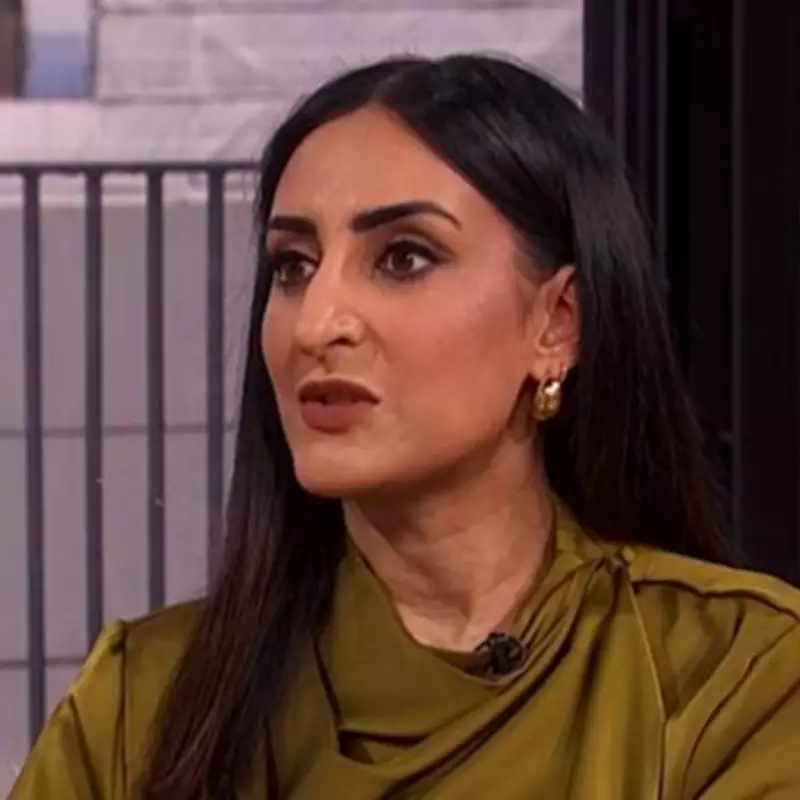
Dr Punam Krishan, a well-known NHS general practitioner who frequently appears on BBC programmes, has provided expert guidance for individuals experiencing eyelid twitching. During a recent segment on BBC Morning Live, she addressed this common concern with presenters Gethin Jones and Sara Cox, offering insights into eye health and practical solutions.
Sara Cox's Personal Query Sparks Discussion
The conversation took a personal turn when presenter Sara Cox described her own symptoms, joking about her husband mistaking her eye twitches for winks. She asked, "Why do they twitch? It's weird, isn't it?" Dr Krishan, who also competed in Strictly Come Dancing in 2024, responded by explaining that eye twitching involves involuntary muscle spasms and is typically harmless, often resolving on its own.
Five Key Lifestyle Factors to Address
Dr Krishan emphasised that identifying triggers is crucial for managing eye twitching. She outlined five lifestyle factors that viewers should consider:

- Rest and Sleep: Ensuring adequate rest to reduce fatigue-related twitches.
- Alcohol Consumption: Monitoring intake, as alcohol can exacerbate symptoms.
- Caffeine Intake: Cutting down on coffee and other caffeinated beverages.
- Stress Levels: Managing anxiety and worry through mindfulness techniques.
- Screen Time: Taking regular breaks from devices to prevent eye strain.
She advised, "Try to make sure that you are resting enough, that you are hydrated, that you are cutting down caffeine intake—you're mindfully watching your stress levels."
When to Seek Further Medical Advice
Dr Krishan noted that if lifestyle adjustments do not alleviate twitching, nutritional imbalances, such as magnesium deficiency, might be a factor. In such cases, she recommends consulting a GP for blood tests to rule out underlying issues. Additionally, she stressed the importance of regular optician visits for overall eye care, stating, "We take our eyes for granted until there's a problem with them."
Official NHS Guidance on Eye Twitching
According to the NHS website, twitches are common and rarely indicate serious conditions. They often subside independently, but medical advice should be sought if a twitch persists for more than two weeks. Common triggers include:
- Medication side effects
- Consumption of caffeine or alcohol
- Stress and anxiety
- Tiredness and exhaustion
The NHS advises consulting a GP if twitches last over a fortnight, occur in multiple areas, or are accompanied by weakness or rigidity. Suspected medication-related twitches also warrant professional evaluation.