
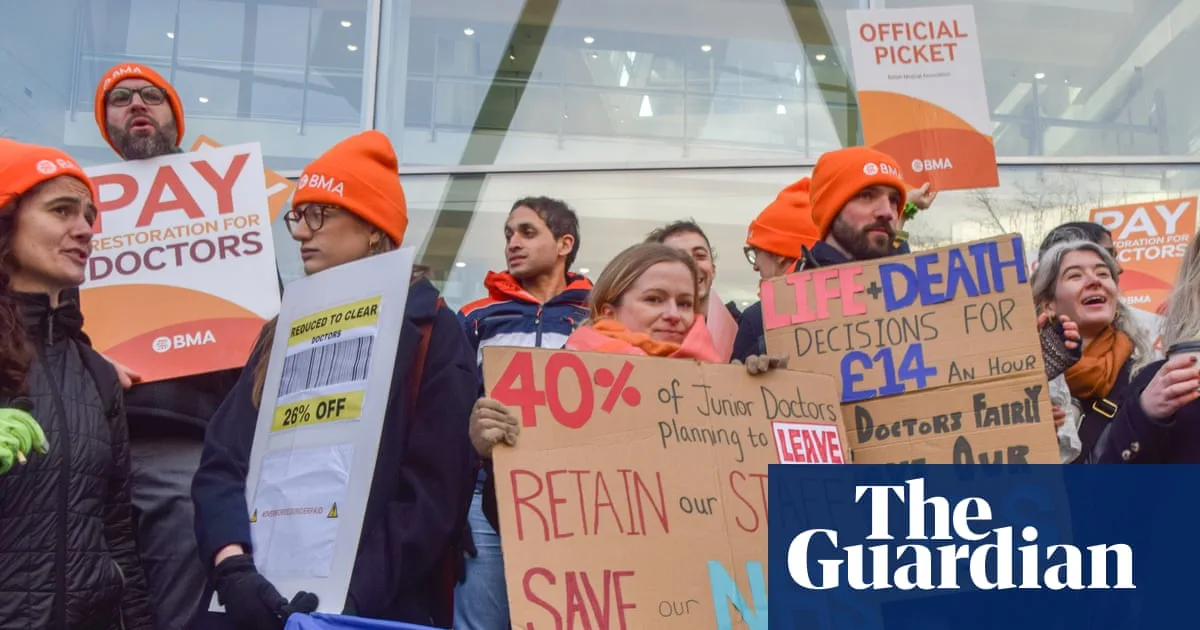
Fresh industrial action by resident doctors in England could derail the government's flagship pledge to restore NHS waiting times, amid a deadlock over pay. The British Medical Association (BMA) has announced a third series of six-month strikes in 16 months, risking further disruption to services and political fallout for Labour.
Health Secretary Wes Streeting inherited a waiting list of 7.6 million treatments in July 2024, which has only fallen to 7.4 million after a year. The government aims to ensure 92% of patients are seen within 18 weeks by 2029, a target the NHS Confederation's Matthew Taylor says is already “difficult enough without further industrial action.”
The strikes also risk emboldening other NHS staff groups. The Royal College of Nursing and Unison have initiated indicative ballots on possible action, amid envy over the 22% pay rise granted to junior doctors in 2023-24 and 2024-25 after 44 days of strikes. The Health Foundation notes “significant underlying dissatisfaction with pay” across the workforce.
Financially, the government faces constraints. The Treasury’s 5.4% pay offer for 2025-26 may be difficult to increase without extra funding, yet the NHS is already forecasting a £6.6 billion deficit. Streeting has ruled out reopening the settlement, while the BMA demands a “credible offer” to reverse a 20% real-terms pay cut and a path to full restoration.
The BMA’s recent militancy suggests it will not back down easily. Streeting’s earlier deal came after months of strikes and failed talks under the previous government; repeating that success will require pragmatism from both sides.




