
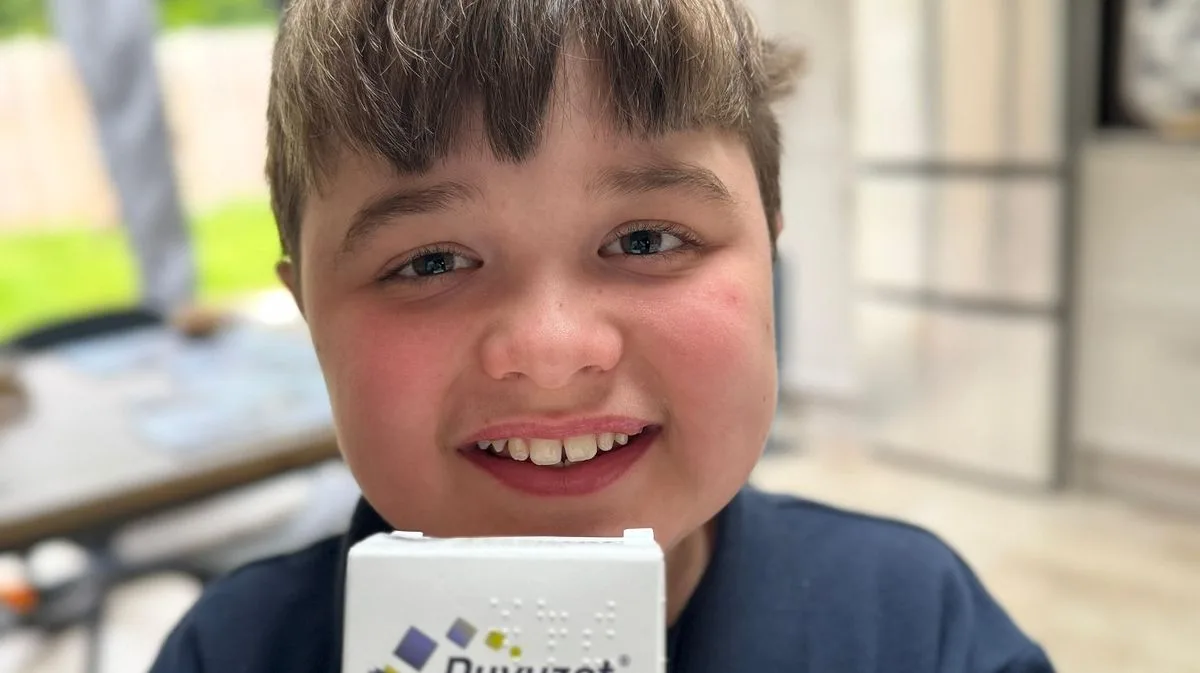
A 12-year-old boy with a rare muscle-wasting condition has finally started a life-changing NHS treatment after years of uncertainty for his family. Ben Clarke has Duchenne Muscular Dystrophy (DMD), a severe, progressive genetic disorder that mainly affects boys and causes muscles to weaken and break down over time. He is among hundreds of patients set to benefit from givinostat after the drug was approved for use through an early access programme in certain NHS Trusts.
But his father Alex Clarke said the fight is far from over, warning other families could lose sons before being given the same opportunity. Recalling the moment Ben found out the drug had been approved, Alex told the Mirror: 'The smile on his face was incredible. He is just so happy that it was available and he could now get this drug. There’s been no negative side effects to this point and he says he’s feeling really good on it.' Givinostat is designed to slow the progression of the condition and help preserve muscle function for longer, but it has only been approved for boys able to walk.
Ben was four years old when he was diagnosed with DMD in 2017. His parents initially sought medical advice after noticing concerning symptoms. Alex, from Sonning Common, Oxfordshire, said: 'At the time, the guidance online was very wrong and said that he wouldn’t live beyond his 12th birthday. Which at the time, was heartbreaking - we were heartbroken. You have this anticipatory grief, this feeling of what does the future hold and what does it look like?' Ben has since turned 12 and now attends mainstream school full-time, though he relies on a wheelchair for longer distances.
The family spent more than a year campaigning for access to givinostat alongside Duchenne UK through its ‘Time is Muscle’ campaign, after Ben’s trust did not take on the early access programme. Duchenne UK’s co-founder and Chief Executive said: 'It has taken NICE almost two years to make a decision. During that time, many families were left without access to this medicine, while their child’s condition progressed... patients who are unable to walk or stand, will still be unable to access givinostat.' Alex said families with non-ambulant sons are still facing the heartbreak of knowing a treatment exists but remains out of reach.




