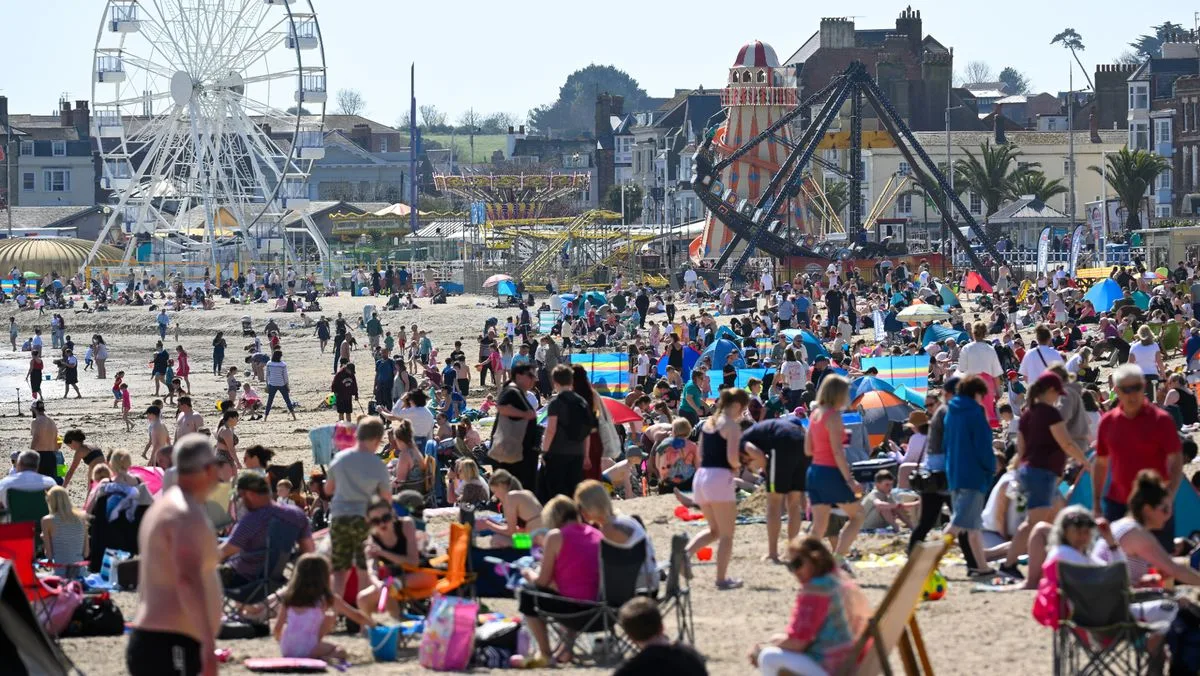
The United Kingdom is set to experience some of the highest temperatures of 2026 this bank holiday weekend, with forecasts predicting up to 33°C in parts of southern England and the Midlands. In response, health officials are urging the public to follow the NHS '11am rule' to protect themselves from the intense sun.
Heatwave Forecast for May 23-25
According to the Met Office, temperatures will climb steadily throughout the long weekend. Deputy Chief Forecaster Steve Kocher stated: "Temperatures will climb through the weekend, especially in the south, where 30°C is likely on Saturday and 32°C on Sunday. Monday could see 33°C recorded in southern England and the Midlands, potentially breaking the May and Spring UK temperature records, which currently stand at 32.8°C."
While much of the UK will enjoy dry and sunny weather, Northern Ireland and western Scotland may experience more cloud and some showers. Low cloud and sea fog are expected along western coasts due to relatively low sea surface temperatures.
NHS Guidance on Sun Safety
The NHS advises: "Spend time in the shade when the sun is strongest. In the UK, this is between 11am and 3pm from March to October." This '11am rule' is crucial during the current heatwave. Additional tips include taking breaks indoors, keeping curtains drawn to cool homes, and monitoring the UV index. If the UV index is three or higher, the NHS recommends protecting your skin.
Despite the temptation to tan, the NHS warns that "there's no safe or healthy way to get a tan." Overexposure to the sun can cause sunburn, which increases the risk of skin cancer. Importantly, sunburn can occur even on cloudy days in the UK.
Who Should Take Extra Care?
While sun safety is important for everyone, certain groups need to be especially vigilant. These include individuals with:
- Pale, white, or light brown skin
- Freckles or red or fair hair
- Light-colored eyes
- A tendency to burn rather than tan
- Many moles
- Skin problems related to a medical condition
- Occasional intense sun exposure (e.g., on holiday)
- Time spent in hot countries with intense sun
- A family history of skin cancer
The NHS states: "People who spend a lot of time in the sun, whether for work or play, are at increased risk of skin cancer if they do not take the right precautions." It also notes that while darker skin provides some natural protection against UV rays, people of all skin tones can develop skin cancer, so caution is still necessary.
Importance of Early Detection
Anyone noticing symptoms of skin cancer should seek medical advice promptly. Cancer Research UK offers further support and information on skin cancer detection and prevention.






