NHS Unveils Transformative 10-Year Cancer Strategy
The National Health Service has launched an ambitious new 10-year cancer plan for England that could revolutionise how cancers are detected and treated across the country. Central to this strategy is the potential introduction of innovative blood, saliva and urine tests capable of identifying signals for more than 50 different cancers before symptoms even begin to manifest.
Early Detection Through Liquid Biopsies
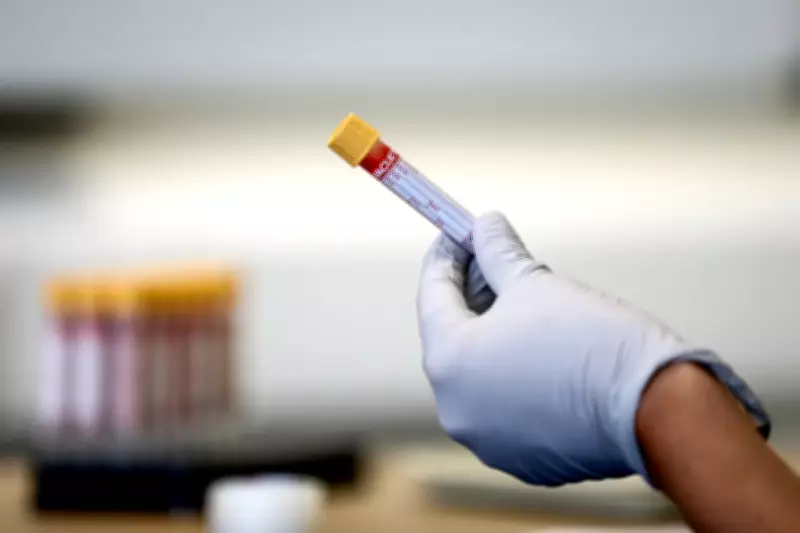
The comprehensive document, entitled the NHS Cancer Plan, outlines how "liquid biopsies" that analyse biomarkers in blood, breath, saliva and urine could become part of routine NHS screening programmes within the next decade. These multi-cancer early detection tests represent what the plan describes as a "particularly transformative breakthrough" that would move the health service away from its traditional reactive care model toward more preventative approaches.
"The ability to screen or test for multiple cancers at once, often pre-emptively, will enable care to begin before a patient knows they needed it rather than after long, frustrating waits," the strategy document states. This approach could fundamentally change cancer diagnosis, allowing interventions to commence at much earlier stages when treatments are typically more effective.

Ambitious Targets and Expanded Treatments
The plan establishes several concrete targets for cancer care improvement. By March 2029, the NHS commits to meeting all cancer waiting time targets, ensuring that 80% of patients receive either a diagnosis or all-clear within 28 days of an urgent suspected cancer referral. Additionally, 85% of patients should receive treatment within 62 days of referral, while 96% will start treatment within 31 days of a decision to treat.
Looking further ahead, the strategy aims for 75% of patients diagnosed from 2035 to be cancer-free or living well with cancer within five years of diagnosis. The document also outlines plans to expand cancer vaccine availability, building on the commitment to deliver up to 10,000 cancer vaccines by 2030 with the ambition of making such treatments more widely available by 2035.
Personalised Care and Technological Integration
Health Secretary Wes Streeting, who launched the plan during a visit to the Royal Free London hospital where he was treated for kidney cancer, emphasised the personal dimension of the new approach. "Because everyone's experience is unique, we're announcing today each patient will receive a personal cancer plan with bespoke assessments to ensure that the support fits all of our distinct clinical, practical but also emotional needs," he explained.
The strategy also incorporates technological advancements, including plans for the NHS app to become the "front door for cancer care" by 2028, allowing patients to manage screening invitations, appointments and treatment plans digitally. Hospitals and community diagnostic centres will see increased capacity through AI-accelerated MRI scanners, expected to facilitate 154,000 additional scans by March 2029.
Prevention and Workplace Support
Beyond detection and treatment, the plan commits to "up the ante on prevention" through measures targeting smoking and junk food advertising. The document further outlines initiatives to support cancer patients in maintaining employment, including more detailed collaboration with employers about how to best support employees undergoing cancer treatment.
Specialist clinics for breast pain and post-menopausal bleeding will be rolled out nationally by the end of 2026, while the NHS continues its major Galleri trial examining whether multi-cancer early detection blood tests work effectively in asymptomatic individuals.
Industry Response and Implementation Challenges
Michelle Mitchell, chief executive at Cancer Research UK, welcomed the publication as "an important milestone for cancer patients and their loved ones" after almost a decade without a dedicated cancer strategy. She highlighted commitments to diagnose cancer earlier, accelerate clinical trials and implement targeted lung screening as particularly positive steps.

However, Mitchell noted that "the key question that patients and their loved ones will ask is how quickly will they see progress in cancer survival and outcomes?" She emphasised that the promised improvements would ultimately depend on how effectively the ambitious plan translates into practical delivery across England's healthcare system.
The strategy represents a comprehensive attempt to address what the document describes as "the growing cancer crisis" facing the health service, combining innovative detection methods with improved treatment pathways and greater personalisation of care for what remains one of the nation's most significant health challenges.