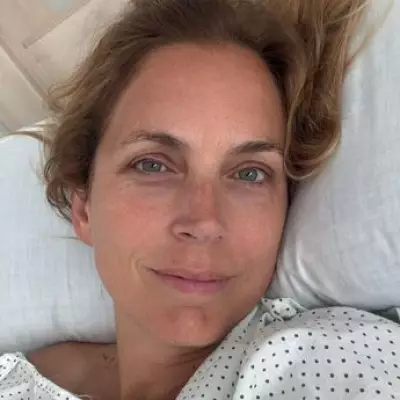
The mother of a 19-year-old university student who died by suicide after developing a severe gambling addiction believes her son might still be alive today if bet365 and mental health services had acted more promptly and effectively.
Arthur Soames' Tragic Descent into Gambling Addiction
Arthur Soames, a first-year university student from west London, took his own life in May 2022 after his gambling habits escalated rapidly from casual football bets to late-night sessions on highly addictive casino games. The teenager, who already struggled with anxiety and depression, began spending increasing amounts of time and money on the bet365 platform in December 2021, often playing blackjack and roulette during the early morning hours.
Coroner's Findings on Bet365's Failures
An inquest into the teenager's death at West London Coroner's Court this week concluded with Coroner Ian Arrow stating that bet365 failed to identify the significant risk of harm posed to Soames by his gambling activities. Throughout his time gambling, bet365 sent Soames more than 80 marketing messages, many containing free bet offers, with only one message warning him about the time he had spent on the platform.

On the day before his death, Soames lost over £150 in just five minutes following an hour-long gambling session that left both his bet365 account and personal bank account nearly empty. The inquest heard compelling evidence that the gambling operator should have intervened much more strongly given the clear indicators of Soames's developing addiction.
Mental Health Service Shortcomings
The coroner also concluded that Soames had a gambling disorder and that mental health services failed to identify an increased risk of self-harm in the period leading up to his death. Following the hearing's conclusion, Soames's mother Isabelle described her son as a 'ray of sunshine' who 'unbeknownst to us, was living with an undiagnosed gambling disorder.'
Isabelle expressed devastation at learning during the inquest that the mental health team responsible for Arthur's care knew he was at high risk of suicide but failed to share this potentially life-saving information with his family. 'They failed to share this potentially life-saving information with us so we could take more steps to help and protect him,' she stated.
Family's Calls for Regulatory Reform
The Soames family now calls on the Gambling Commission to introduce stronger protections, particularly for young people, and to prevent gambling operators from offering free bets or cross-selling highly addictive casino products to vulnerable individuals. Isabelle specifically advocates for operators to implement tailored risk detection systems for people in her son's age group to analyze betting patterns for potential harm.
'We believe that only by introducing such protections can more young lives like Arthur's be prevented from being tragically lost,' she emphasized. The coroner indicated he might issue a Prevention of Future Deaths report to the Commission at a later date.
Systemic Communication Failures
Soames's mental health deteriorated significantly while he was gambling, which became a major concern for his family, though he never disclosed the extent of his addiction to them. He returned to his family home in April 2022 from university to receive additional mental health support and be surrounded by loved ones.
Despite consulting with a private psychologist and seeking help from his GP to discuss his mental health problems and suicidal thoughts, the teenager was not referred for further specialized assistance. His family instead took him to west London NHS Trust's crisis team, where he was assessed by both the crisis team and the early intervention in psychosis service over subsequent weeks.
The inquest revealed that critical information about Soames's suicide risk was not properly communicated between these two services, and this vital information was not adequately updated before his tragic death.
Legal Perspective on the Case
Dan Webster, the Soames family's solicitor from Leigh Day, stated: 'The evidence heard at Arthur's inquest raises serious concerns about the harm which gambling can cause, about Bet365's conduct, and about a lack of understanding of gambling harm among healthcare professionals.'

Webster noted that Arthur's gambling with Bet365 displayed numerous significant indicators of harm that should have been identified and should have prompted further interaction and intervention. The family remains deeply concerned that Bet365 has failed to learn lessons from Arthur's case and that someone exhibiting similar gambling behavior today would not receive greater intervention.
'The apparent lack of reflection and lesson learning by Bet365 has been facilitated by the Gambling Commission, given its failure to communicate its findings about failings in the handling of Arthur's account to Bet365, to Arthur's family, or to anyone else,' Webster added. 'Not for the first time, this gives rise to serious questions about the Commission's fitness for purpose as a regulator tasked with protecting the public from gambling harm.'
Healthcare System Criticisms
Webster further explained that the family was disappointed with the mental health care Soames received. 'Arthur's family believe it is vital that healthcare professionals receive appropriate training and guidance to ensure that signs of gambling harm can be identified and acted upon,' he said.
The family was shocked to learn during the inquest about the extent of information mental health services possessed regarding Arthur's suicide risk in the period before his death and the inadequate steps taken to manage those risks and share information with family members. 'They believe it is vital that information about risk of suicide is shared with family members where appropriate, so that they can take additional steps to support their loved one and protect them from harm,' Webster concluded.
A Bet365 spokesperson told The Times: 'This is an incredibly tragic and complex case and our thoughts and condolences remain with Arthur's family and friends. We strive for the highest safer gambling standards and consistently review and update procedures, including during the last five years. We will now take time to consider the inquest's findings.'
For confidential support call the Samaritans on 116123 or visit a local Samaritans branch, see www.samaritans.org for details.