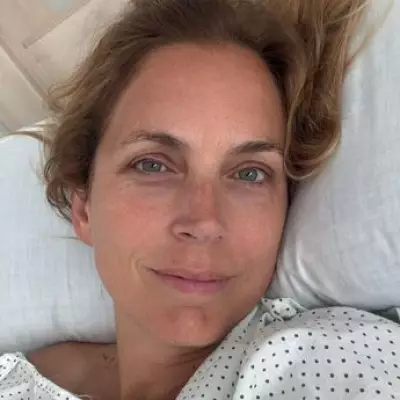
Mum's Menopause Symptoms Masked Devastating Brain Tumour Diagnosis
Kerry Brown, a 54-year-old production manager from Hull, spent years believing her troubling symptoms were simply signs of the menopause. What began as hot flushes and a warm, tingling sensation throughout her body in 2017 gradually escalated into a medical nightmare that would change her life forever.
From Mild Symptoms to Severe Health Crisis
The initial signs seemed innocuous enough - hot flushes and tingling sensations that Kerry naturally attributed to hormonal changes. "I thought it was just the menopause," she recalled. "But then I'd go pale, start slurring my words and feel overwhelmingly tired. I didn't think it was anything serious."
Over a two-year period, her condition deteriorated significantly. The fatigue became debilitating, her speech grew increasingly slurred, and she began experiencing what felt like "a thumbprint over the vision" in her right eye. This visual disturbance prompted a visit to an optician that would set in motion a chain of events leading to her shocking diagnosis.

The Shocking Discovery of Multiple Tumours
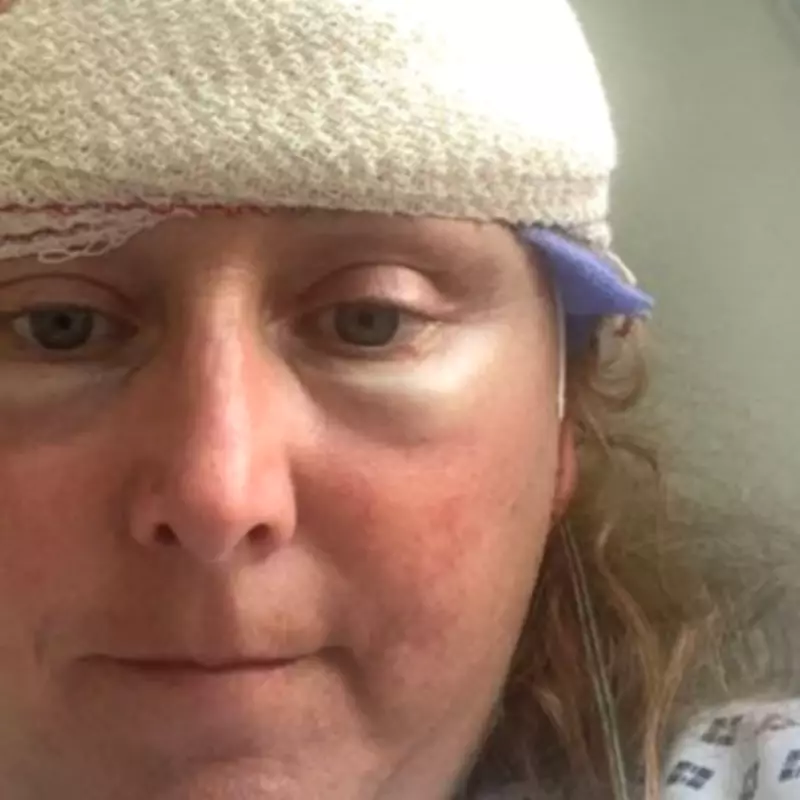
After a Specsavers optician detected swelling behind her eye and referred her for urgent medical attention, Kerry underwent an MRI scan that revealed four brain tumours requiring immediate surgical removal in July 2019. "I remember walking in and seeing pictures of brains on the wall and thinking 'this can't be good'," she said of the moment she received the devastating news.
The situation proved even more serious than initially suspected. During the surgical procedure, medical professionals discovered not four but ten brain tumours in total. Five were successfully excised during the operation, while the remaining five were placed under active surveillance.
Life-Altering Consequences and Ongoing Treatment
The aftermath of her diagnosis and treatment has been profoundly challenging. Kerry continues to experience intermittent seizures and has permanently lost sight in her right eye due to one of the tumours pressing on her optic nerve. "They hoped that removing it would release the pressure, but it didn't," she explained. "The nerve continued to die, and I'm now blind in my right eye."
Her medical journey continues as recent follow-up consultations revealed that two of the remaining tumours have begun to regrow, necessitating radiotherapy treatment. The tumours were identified as meningiomas - the most common form of adult primary brain tumour.
Raising Awareness and Research Funding
Now determined to turn her traumatic experience into positive action, Kerry is actively raising funds for Brain Tumour Research to increase awareness about the condition and highlight the severe underfunding of research in this area. "Knowing how underfunded research into brain tumours is, and having experienced this first-hand, really motivated me," she stated.
"I know what it's like to go through this. I've lived it. If sharing my story helps raise awareness or helps someone else feel less alone, then it's worth it."
Ashley McWilliams, community development manager at Brain Tumour Research, emphasized the importance of Kerry's story: "Kerry's experience highlights how symptoms of a brain tumour can be mistaken for more common conditions, leading to delays in diagnosis. Stories like Kerry's remind us why this work is so urgently needed."
What Kerry initially dismissed as menopausal symptoms turned out to be seizures caused by multiple brain tumours - a stark reminder that seemingly ordinary symptoms can sometimes mask serious underlying health conditions requiring immediate medical attention.