Meningitis B Outbreak Spreads in Kent as NHS Issues Urgent Alert
Health authorities are investigating a significant outbreak of meningitis B in Kent, with confirmed cases rising to 27 from an initial 20. The situation has been described as "explosive" by medical experts, resulting in two tragic fatalities. The outbreak has now extended to a second university in the region, prompting urgent public health interventions.
University Clusters and Super-Spreader Event Identified
Canterbury Christ Church University (CCCU) has reported one case of meningococcal disease involving a student, directly linked to the initial cluster associated with Club Chemistry in Canterbury. Additionally, a student at Escape Studios, an animation school in North Greenwich, London, has been hospitalised with a diagnosis "directly linked" to the same outbreak.
Top medical professionals have expressed concern over the unusual rapid spread of meningitis cases, attributing the surge to a "super-spreader" event. The UK Health Security Agency (UKHSA) is leading the investigation and will confirm specific strains in all cases once full laboratory results are available.

Urgent Preventative Measures Implemented
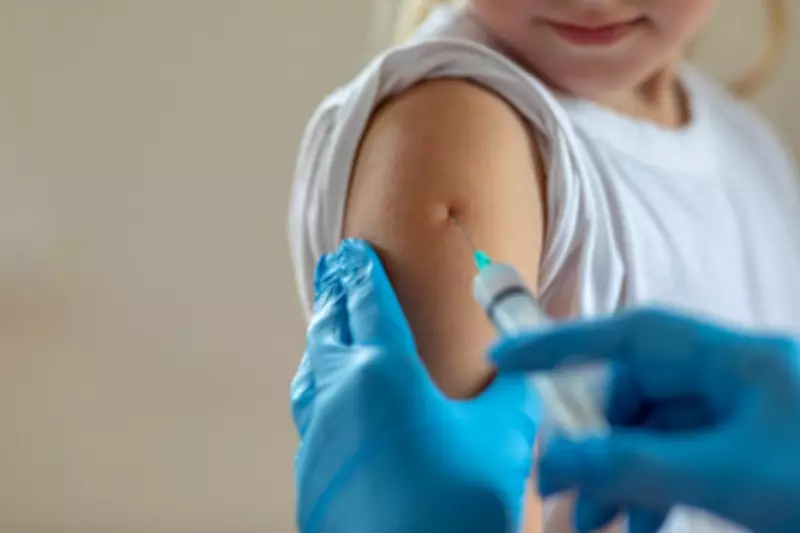
Hundreds of individuals who visited Club Chemistry in Canterbury on March 5, 6, or 7 have been instructed to come forward for preventative antibiotic treatment as a precautionary measure. Simultaneously, a targeted vaccination campaign is being urgently rolled out for students at the University of Kent.
The NHS has issued an urgent public health alert, urging healthcare staff to maintain heightened vigilance for signs and symptoms of infection. Officials have specifically warned that university students represent a particularly susceptible demographic for this potentially deadly infection.
Understanding Meningitis: Symptoms and Risks
Meningitis is an infection of the meninges, the protective membranes surrounding the brain and spinal cord. Globally, it affects approximately 2.3 million people annually. According to NHS statistics, bacterial meningitis proves fatal in up to one in every ten cases.
While anyone can contract meningitis, it demonstrates higher prevalence among babies, children, teenagers, and young adults. The current outbreak involves meningitis B, which is caused by Neisseria meningitidis group B bacteria and represents the most common and deadliest strain in the United Kingdom.
Recognising Meningitis Symptoms
Early warning signs of meningitis include:
- High temperature
- Severe headache
- Vomiting and diarrhoea
- Muscle pain and stomach cramps
As the condition progresses, symptoms may develop to include:
- Drowsiness, irritability, and confusion
- Pale, blotchy skin or distinctive rash
- Stiff neck
- Aversion to bright lights
- Convulsions or seizures
Health organisations like Meningitis Now emphasise that individuals should not wait for a rash to appear before seeking medical assistance if someone displays these symptoms while feeling unwell.
Transmission and Seriousness of the Disease
Meningitis spreads through respiratory droplets from coughing, sneezing, or close contact like kissing. Infections typically originate from carriers who host the viruses or bacteria in their nose or throat, though direct transmission from someone with active meningitis is less common.
Without prompt treatment, meningitis can lead to severe complications including sepsis, brain or nerve damage, hearing loss, and even death. Some survivors of bacterial meningitis may experience lasting effects such as hearing or vision impairment, memory problems, seizures, or limb loss despite receiving treatment.
Treatment Options and Vaccine Availability
Viral meningitis cases typically resolve without medical intervention, while bacterial meningitis requires urgent hospital treatment, usually for at least one week. Treatment protocols include intravenous antibiotics and fluids, along with oxygen therapy through face masks when necessary.
The UK immunisation schedule includes several meningitis-preventing vaccines:

- MenB vaccine for babies at two, three, and twelve months
- Six-in-one, pneumococcal, and MMRV vaccines for children
- MenACWY vaccine offered to teenagers and new university students
Young people who missed the MenACWY vaccine at school remain eligible to receive it up to age 25, a particularly important consideration for new university entrants who face increased risk of meningococcal disease.
Political Response and Future Considerations
Following the outbreak, Helen Whately, Conservative MP for Faversham and Mid Kent, suggested on Times Radio that the government and UKHSA should examine whether a "catch-up" vaccination campaign might be warranted for young people given the increased risk demonstrated by this outbreak.
Immediate Action Required
The NHS strongly advises that anyone suspecting they or someone else has meningitis should call 999 for an ambulance or proceed directly to the nearest Accident and Emergency department. Medical professionals emphasise trusting one's instincts, as individuals with meningitis or sepsis can deteriorate rapidly without prompt intervention.