Meningitis B Outbreak in Kent Prompts Major Public Health Response
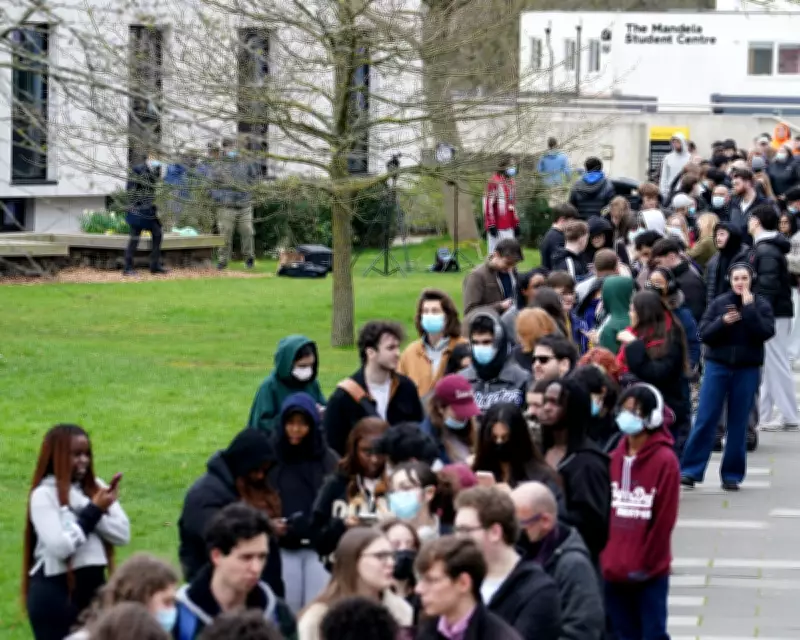
Students at the University of Kent's campus in Canterbury have been seen queueing to receive antibiotics following a significant outbreak of meningitis B in the region. This cluster, described as the largest in a generation, has resulted in two fatalities and several serious hospitalisations, with infections traced back to Club Chemistry in early March.
Health Authorities Mobilise Rapid Intervention
In response to the crisis, health officials have launched an extensive campaign, distributing antibiotics to 30,000 individuals and planning to administer the meningitis B vaccine to up to 5,000 University of Kent students. Health Secretary Wes Streeting has urged calm, emphasising that transmission risks are low and advising against private vaccinations, but this has not prevented a surge in demand.
High street pharmacies such as Boots and Superdrug have reported a dramatic increase in bookings, leading to a national shortage of meningitis B vaccines. This rush highlights growing public anxiety and scrutiny over the UK's vaccination regime, particularly for strains like meningitis B.

Expert Insights on the Disease and Vaccination Gaps
Professor Andrew Preston, an expert in microbial pathogenicity at the University of Bath, notes that while meningitis remains rare in the UK, this outbreak is unprecedented in recent memory. The disease, which attacks the brain and spinal cord lining, can cause severe complications like amputations and hearing loss, often with minimal warning signs.
"It's utterly scary. You can't spot someone who is carrying the meningitis-causing bacterium," Preston explains, adding that the rapid deterioration in young people makes it particularly alarming. He points out that meningitis B now accounts for nearly 83% of cases in England, a shift from previous strains targeted by vaccination programmes.
The current NHS immunisation schedule offers meningitis B vaccines only to infants, leaving older groups, such as teenagers and young adults, unprotected unless they seek private jabs costing around £110 per dose. Organisations like Meningitis Now are advocating for an expanded vaccination programme to address this gap.
Debating the Cost-Benefit of Widespread Vaccination
Preston cautions that a national rollout under the NHS would involve a rigorous cost-benefit analysis. With only a few hundred cases annually and a mortality rate of about 10%, vaccinating the entire population could cost tens of millions of pounds, potentially diverting funds from other critical healthcare needs.
"You might vaccinate hundreds of thousands of children to prevent a handful of cases. That's the cold light of day of the cost-benefit analysis," he states, highlighting the ethical dilemma of making protection dependent on affordability.
Uncertain Origins and Future Implications
The exact causes of the outbreak remain unclear, with factors like vaping, viral infections, and weakened immunity possibly playing roles. Preston warns that we may never fully understand the triggers, underscoring the unpredictable nature of the disease.
As the situation evolves, the outbreak has ignited a national conversation about public health strategies and vaccine accessibility, with calls for policy revisions to prevent future tragedies.