MAFS Icon Mel Schilling Dies After Cancer Battle
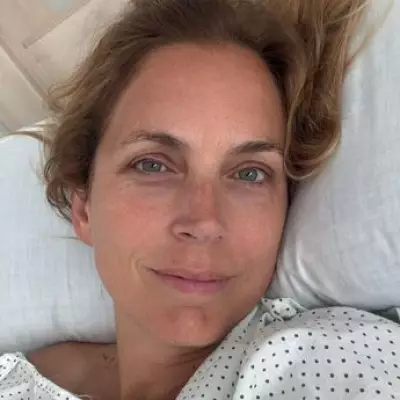
The reality television world is mourning the loss of Married At First Sight star Mel Schilling, who has died at age 54 following a courageous battle with colon cancer. Her husband, Gareth Brisbane, confirmed her peaceful passing in a heartfelt statement, revealing she spent her final moments surrounded by love.
Terminal Diagnosis and Final Message
Earlier this month, Schilling had shared the devastating news that her cancer had spread to her brain and become terminal. Despite undergoing radiotherapy, her medical team ultimately informed her there was nothing more they could do. In his emotional tribute, Brisbane described how his wife used her last strength to whisper a sustaining message for him and their daughter Maddie.
"This is a woman who became a new mum and a TV star at 42 — and nailed both," Brisbane wrote. "Through two years of chemotherapy, when she could barely lift her head from the pillow, she never complained and never stopped showing courage, grace, compassion and empathy."

Initial Misdiagnosis and Symptoms
Schilling's cancer journey began in 2023 when she experienced severe stomach cramps while filming MAFS in Australia. Medical professionals initially dismissed her symptoms as constipation or fatigue. Only upon returning to the United Kingdom and undergoing scans did she receive the correct diagnosis of colon cancer.
Her story has resonated with many, including Jane Locke, a 66-year-old woman from New Milton, Hampshire, who experienced similar diagnostic challenges.
Jane Locke's Parallel Cancer Experience
Like Schilling, Locke initially attributed her symptoms to hemorrhoids in January 2021, experiencing bleeding after bowel movements and noticing a lump. When her condition failed to improve by July, she consulted her GP, who noted her excellent fitness aside from the concerning lump.
Shocking Diagnosis During Procedure
In September 2021, Locke attended what she believed would be a routine hemorrhoid procedure at Royal Bournemouth Hospital. Instead, the surgeon immediately identified rectal cancer during the examination. "I was on the operating table and the surgeon put her fingers in me, and she said, 'That's rectal cancer' straight away," Locke recalled.
Medical staff immediately outlined potential treatments, including the possibility of a stoma bag. Locke's first concern was whether she could continue practicing yoga, demonstrating her resilient mindset from the outset.
Treatment Complications and Recovery
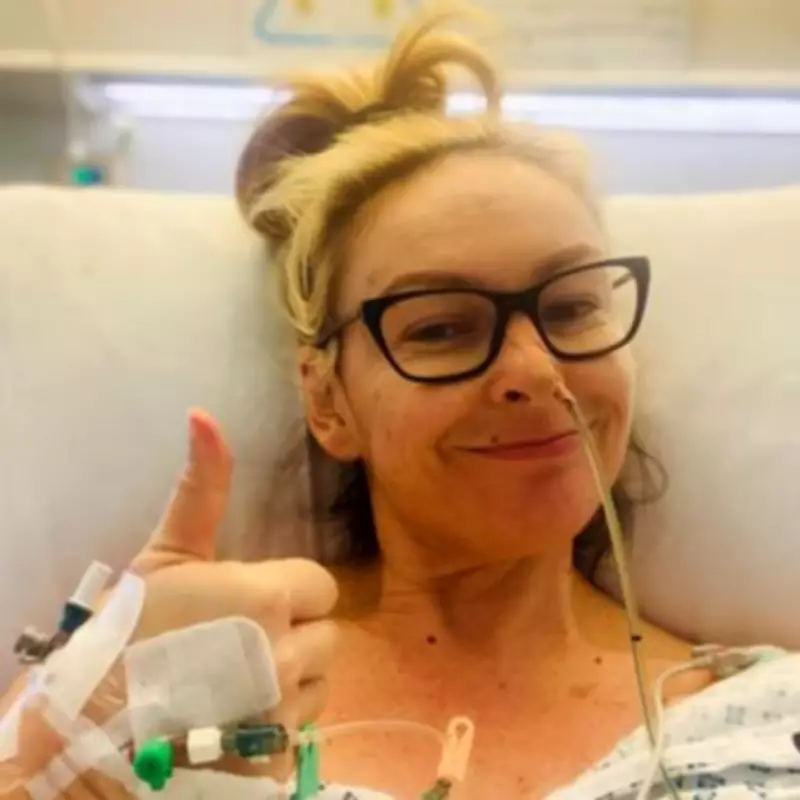
Diagnosed with stage one rectal cancer, Locke began an intensive six-week regimen of chemotherapy and radiotherapy at Poole Hospital in November 2021. Approximately two weeks into treatment, she experienced a terrifying allergic reaction to chemotherapy tablets, causing rapid swelling that required emergency monitoring.
Due to COVID-19 restrictions, her husband couldn't visit during this critical period. Doctors managed her condition with IV drips and diuretics, avoiding surgery. She continued radiotherapy until December 23, 2021, despite developing severe radiation burns resembling extreme sunburn across her abdomen and thighs.
Cancer-Free and Changed Perspective
Following routine scans, Locke received the wonderful news in August 2022 that she was cancer-free. The experience fundamentally altered her outlook on life. "I no longer put things off," she revealed, emphasizing how the ordeal reshaped her priorities and appreciation for each day.
She credits meditation with helping maintain emotional balance between follow-up appointments and managing anxiety about potential recurrence.
Awareness and Advocacy Legacy
Both women's stories highlight the importance of persistent medical advocacy when symptoms persist. Schilling's final public message urged people to push for answers when something doesn't feel right medically.
In his concluding remarks, Brisbane encouraged others to honor Schilling's memory by living fully and loving well. "Life can be beautiful, and life can be incredibly cruel," he wrote. "But ultimately, life is fleeting, fragile, and tomorrow is promised to no one."

The contrasting outcomes of these two women's cancer journeys—one ending in tragedy, the other in recovery—underscore both the unpredictability of cancer and the critical importance of early detection and proper diagnosis.