Kent Meningitis Outbreak: Urgent Probe into Deadly Strain's Rapid Spread
Health officials are racing to investigate a deadly strain of meningitis B in Kent, following two fatalities and a surge in cases that has raised alarms about the disease's potential evolution. The outbreak, centred around Club Chemistry nightclub in Canterbury, has been linked to 27 confirmed or suspected infections, with nine of the 15 confirmed cases identified as meningitis B. Scientists are now urgently probing whether this particular strain has developed new traits that make it more transmissible than previously seen variants.
Unprecedented Scale of Infection
Professor Robin May, chief scientific officer at the UK Health Security Agency (UKHSA), described the situation as highly out of the ordinary, pointing to the scale and clustering of cases as a major cause for concern. Typically, you would expect to see sporadic cases of meningitis, typically individual patients, May told BBC Breakfast. Most days, actually, we would see one in the UK. This is obviously a much larger number. The outbreak has already claimed the lives of 18-year-old sixth-form pupil Juliette Kenny and a 21-year-old University of Kent student, with experts fearing club events may have acted as super spreaders.
Genetic Sequencing Underway
Experts at the UKHSA are analysing bacterial samples taken from patients, carrying out detailed genetic sequencing to uncover any changes in the organism's structure. The aim is to determine whether mutations could explain the unusually high number of linked cases. Early indications suggest the strain bears similarities to one that has been circulating for around five years, though officials stress that firm conclusions have yet to be reached. Dr Bharat Pankhania, senior clinical lecturer at the University of Exeter Medical School, noted: I've been a doctor for 40 years and I've never seen this before. Normally, I come across two or three linked cases, four maybe, spread over several weeks. Having so many cases emerging from one place in a short time is highly unusual and has never been seen in the UK before.

Response and Vaccination Efforts
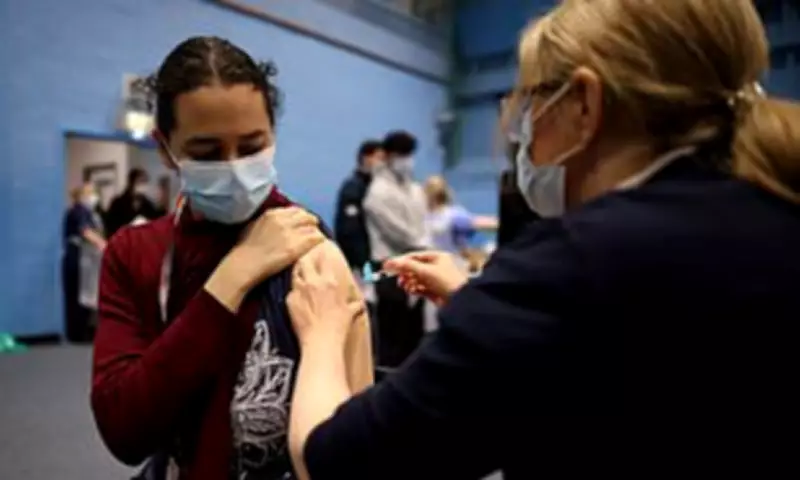
Health Secretary Wes Streeting has visited the University of Kent, where hundreds of students have queued to receive vaccines and antibiotics. He announced that anyone who was at Club Chemistry in Canterbury from March 5 should come forward for both antibiotics and the vaccine, widening access to include more students and sixth-formers. What's worried us about the Canterbury outbreak is the pace and extent of the spread of the disease that is unprecedented, Streeting said, emphasising that the general risk to the public remains very low despite the disease being extremely serious. To date, 930 vaccines have been administered and 8,559 antibiotics distributed across sites in Canterbury, Ashford, and Thanet.
National and International Concerns
The European Centre for Disease Prevention and Control (ECDC) is monitoring the situation and has urged doctors in the EU and EEA to ask patients showing meningitis symptoms about recent travel to Kent. However, the body reassured the public that the risk to the general population in Europe is very low. Meanwhile, in the UK, some pharmacies have reported abuse and threats from frustrated Brits unable to book private meningitis vaccine appointments due to stock shortages. The National Pharmacy Association has called for understanding, noting that 20,000 vaccines from NHS supplies will be made available to the private market within 48 hours to ease demand.

Ongoing Investigations and Precautions
Kent County Council's director of public health, Dr Anjan Ghosh, stated that it cannot yet be confirmed the outbreak has been contained, as more cases are expected due to the incubation period. We're not in the position yet to say that definitively, that it's been contained, he told BBC Radio 4's Today programme. Health officials continue to stress that meningitis spreads through close personal contact, such as kissing or sharing utensils, and not through general spaces like public transport. As students prepare to travel home for Easter holidays, there are concerns about potential secondary transmission, with the UKHSA advising those eligible to seek treatment locally if they have left campus.