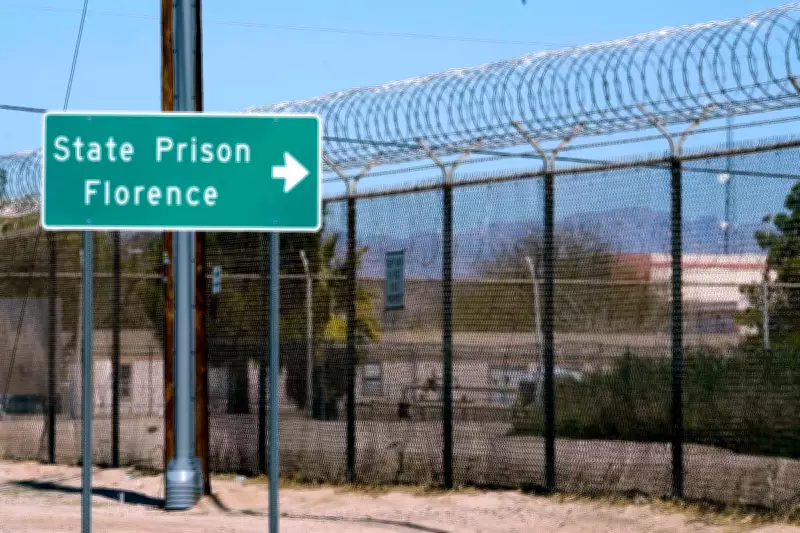
Federal Judge Mandates Receivership for Arizona Prison Healthcare System
A federal judge has ordered a complete takeover of healthcare operations within Arizona's state-run prisons, appointing an independent official to oversee the system after years of documented failures in medical and mental health care provision. This landmark decision follows extensive litigation and repeated findings of constitutional violations.
Years of Constitutional Violations Lead to Drastic Intervention
U.S. District Judge Roslyn Silver issued the ruling on Thursday, implementing what legal experts describe as a "receivership" for prison healthcare management. This intervention comes nearly four years after Judge Silver's 2022 verdict that conclusively determined Arizona had systematically violated prisoners' constitutional rights through inadequate healthcare that resulted in preventable suffering and deaths.
In her written decision, Judge Silver stated that the state has demonstrated "no semblance of compliance" with court-ordered changes despite nearly fourteen years of ongoing litigation. She characterized the situation as "deeply entrenched unconstitutional conduct" that would require judicial indulgence if allowed to continue unchanged.

The judge emphasized that prisoners remain exposed to "an intolerable grave and immediate threat of continuing harm and suffering" due to systemic deficiencies that pervade the entire healthcare administration within Arizona's correctional facilities.
Legal Battle Spanning Over a Decade
The path to this receivership has been long and contentious. Arizona initially vowed to overhaul medical and mental health services for prisoners through a 2014 settlement agreement, but was subsequently accused of failing to implement promised reforms. This failure resulted in $2.5 million in contempt of court fines against the state and eventual revocation of the settlement agreement by Judge Silver, who noted corrections officials had shown minimal interest in making necessary changes.
Following the 2022 trial where the state was found liable for constitutional violations, Judge Silver issued an injunction requiring corrections authorities to remedy the healthcare deficiencies. However, attorneys representing prisoners argued that the state lacked both the leadership and capacity to achieve compliance within any reasonable timeframe.
"This decision means that an independent authority will be able to implement the systemic changes necessary to ensure that medical and mental health care meets constitutional standards," said David Fathi, one of the lawyers representing incarcerated individuals. "This is a life-saving intervention that brings hope that the preventable suffering and deaths haunting Arizona's prison system for over a decade can finally end."
Contrasting Perspectives on Progress and Compliance
The Arizona Department of Corrections maintains that it has transformed prison healthcare over the past two years through expanded treatment access, increased staffing, and new medical housing units. Corrections officials argue that opposing counsel refuses to acknowledge these improvements and instead focuses on historical circumstances rather than current efforts.
Department attorneys assert that agency leadership has been acting in good faith with court orders, while prisoner advocates counter that Arizona has made few meaningful improvements since the 2022 verdict. The state and prisoner attorneys now have sixty days to submit candidate lists for the receiver who will oversee healthcare operations.
Historical Context and Precedent
This receivership follows similar interventions in other states, most notably in California where a federal judge seized control of the prison medical system in 2005 after finding that an average of one inmate died weekly from medical neglect or malpractice. In Arizona's case, the lawsuit specifically addresses healthcare for approximately 25,000 inmates in state-run facilities, excluding nearly 10,000 individuals incarcerated in private prisons for state convictions.

The current order represents the culmination of legal efforts dating back to September 2019 when prisoner attorneys first requested a takeover but temporarily withdrew the motion, reserving the right to revive it if the state acted in bad faith or failed to comply with court mandates—conditions that Judge Silver has now determined have been met.