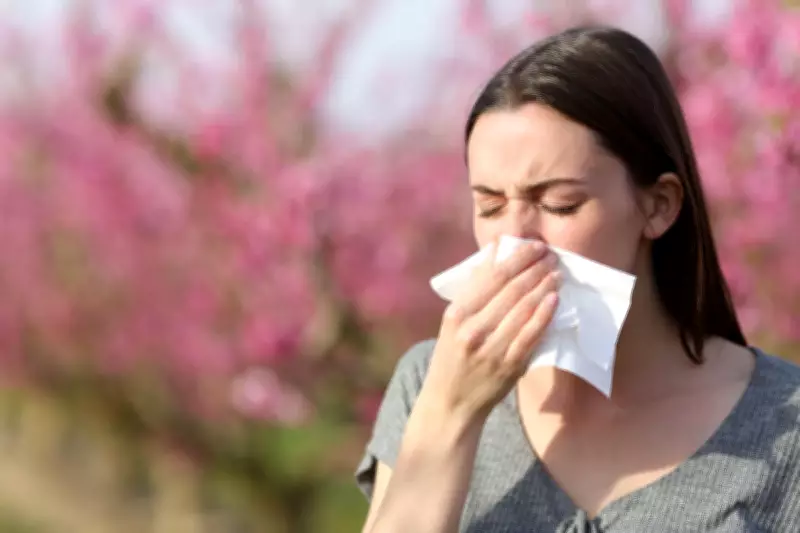
As the high-pollen season arrives with full force, many individuals find themselves grappling with relentless hay fever symptoms. The familiar sight of springtime sunshine often brings with it a less welcome companion: airborne allergens that can turn homes into battlegrounds against sneezing and sniffles. While stepping indoors might offer temporary respite, tree and grass pollen have a notorious ability to filter inside, undermining our sanctuaries.
Strategic Window Management for Cleaner Air
Caroline Mills, head of brand at Safestyle, emphasises that windows serve as our primary defence against outdoor elements. However, knowing precisely when to open and close them is absolutely crucial for maintaining superior indoor air quality. "We all crave fresh air, but allowing it inside at inappropriate moments invites troublesome pollen particles as well," Mills cautions.
Pollen counts typically peak during the early morning hours and again in the early evening. During these critical periods, keeping windows firmly shut can significantly reduce the infiltration of allergens. For necessary ventilation to prevent condensation issues, Mills recommends opting for the mid to late afternoon when pollen levels frequently decrease.

"Another excellent opportunity arises immediately following a substantial rain shower," she adds. "The rainfall effectively washes pollen from the atmosphere, creating safer conditions for allowing a gentle breeze indoors."
Comprehensive Dusting Techniques
Seasoned hay fever sufferers likely already possess microfibre cloths, but Mills highlights one frequently overlooked area: window frames. "While cleaning window glass is standard practice, those with hay fever must pay equal attention to the frames themselves," she underlines.
Pollen, dust, and general grime accumulate within the corners of uPVC frames, remaining dormant until disturbed by air currents. Mills advises dedicating five minutes to open windows and thoroughly wipe down internal frames, with particular focus on tracks and mechanisms where debris builds up.
"A simple damp cloth usually suffices, but for stubborn accumulation, use a vacuum cleaner with a nozzle attachment to extract particles before wiping. If available, a steam cleaner proves even more effective—the heat helps dissolve grease, dirt, and grime while keeping bacteria at bay," Mills explains. Maintaining cleanliness in these areas prevents pollen from blowing into rooms whenever windows are opened.
Addressing Soft Furnishings and Bedding
Unfortunately, curtains, carpets, and upholstery act as magnets for dust, pet dander, and pollen particles. "Fabric fibres trap microscopic allergens, holding them until movement sends them airborne again," Mills highlights. While regular vacuuming of carpets is common, curtains often receive less attention.
"Each time you draw curtains, you shake loose settled dust," she warns. Fortunately, frequent washing isn't necessary—simply using the upholstery attachment on your vacuum cleaner, running it from top to bottom weekly during high-pollen season, can remove surface layers effectively.
Bedrooms should serve as allergen-free sanctuaries, yet pollen readily transfers to bedding via hair and skin. "We spend approximately one-third of our lives in bed, so ensure yours isn't provoking sneezes," Mills states. She recommends washing bedding weekly in hot water at 60°C to eliminate dust mites and remove sticky pollen residues.
"Avoid drying sheets outdoors on high-pollen days, as they function like giant allergen nets. Instead, use indoor clothes horses or tumble dryers," she advises.
Creating Pollen-Proof Barriers
Sometimes routine cleaning proves insufficient, especially in high-pollen areas with abundant grassy spaces or trees. "When you enter from outside, you essentially bring the season indoors with you," Mills emphasises. Pollen clings persistently to coats, shoes, and bags, facilitating its spread throughout living spaces.
For homes without dedicated entryways, establishing a 'drop zone' near the front door for shoes and outerwear can prove invaluable. Removing shoes immediately prevents tracking pollen into carpets and rugs. After extended outdoor activities like gardening or lengthy walks, changing clothes promptly and placing them directly into the washing machine further reduces contamination.

Managing Pet-Related Pollen Transfer
Pets that enjoy outdoor exploration inevitably collect pollen on their fur and paws. While restricting their access to certain rooms might seem ideal, Mills suggests practical alternatives if this isn't feasible. Wiping their paws and brushing their fur in the designated 'drop zone' helps minimise pollen dispersion.
Ultimately, these strategies focus on intercepting pollen before it infiltrates deeper into homes and minimising triggers that exacerbate hay fever symptoms. "Master these fundamental practices, and you'll be liberated to embrace spring as intended—enjoying fresh air, sunshine, and significantly reduced sneezing," Mills concludes.