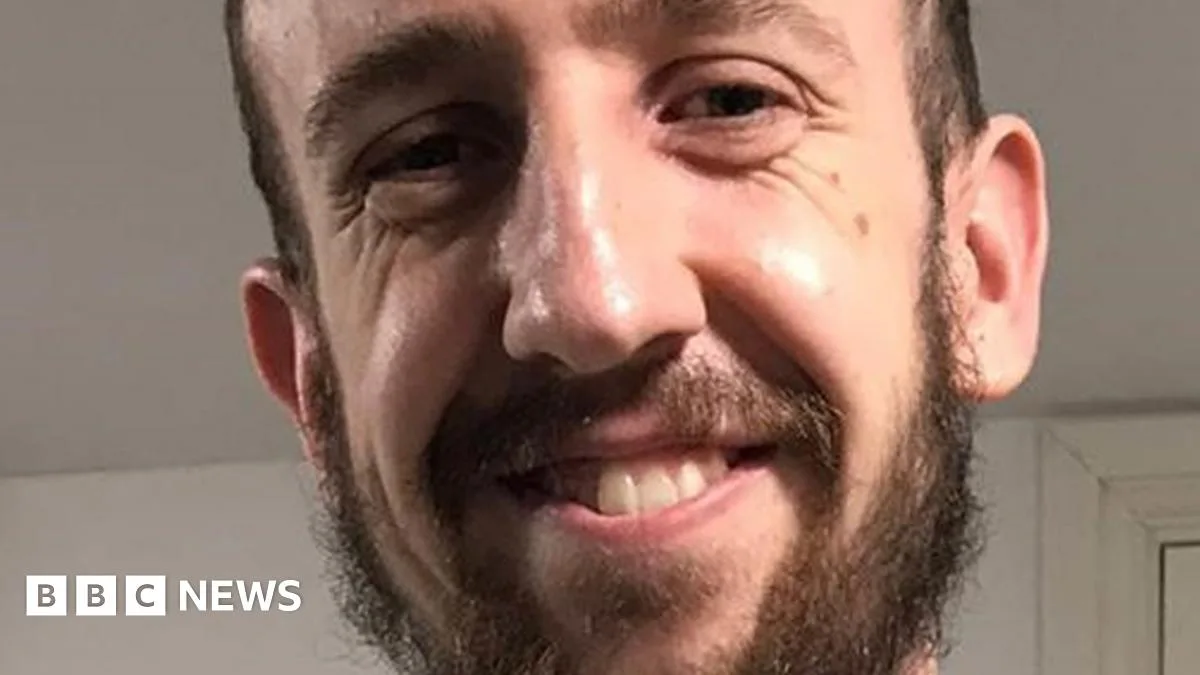
A 'fit and healthy' university student died from a rare medical condition less than 24 hours after complaining of a 'thunderclap' headache and being prescribed nasal spray, an inquest has heard.
Details of the Case
Cian Everett, 21, a keen rower and Politics and International Relations student at the University of Reading, was found dead by his mother at their family home in New Milton, Hampshire, in January 2025. He had described his headache as so painful it felt like he 'had been hit by a pile of bricks' before being given a prescription for over-the-counter nasal spray for suspected sinusitis.
Unbeknownst to medics, Mr Everett had suffered an extremely rare complication of sinusitis, affecting only one in 100,000 people. He had developed a 6cm abscess on his brain, thought to be around the same size as a snooker ball.
Inquest Findings
An inquest at Winchester Coroner's Court heard that Mr Everett died from 'raised intracranial pressure' due to the intracerebral abscess, and that he also experienced acute meningitis. Assistant Coroner Sarah Whitby confirmed the cause of death and gave a narrative conclusion of natural causes following a rare complication of sinusitis that was not recognised.
Ms Whitby said: 'He was a fit and healthy young man with no relevant medical history. He was found with a brain abscess on the frontal lobe measuring 4-6cm. The abscess had a mass effect of raising the intracranial pressure. The abscess had been developing over five to seven days before his death. The meningitis had been present for approximately a day before his death. It is the abscess which is the main cause and it is a rare occurrence. It has been said to be a one in 100,000 case.'
Medical Encounters
Mr Everett had been registered with a GP in Reading but was advised to attend Lymington's Urgent Treatment Centre near his family home. His mother, Gillian, took him there in the new year, but he was unable to secure a doctor's appointment and was prescribed nasal spray for sinusitis. His symptoms worsened, and he became 'cold and lethargic' and lost his appetite.
Mrs Everett called 111 on 12 January and was told to take Mr Everett to the pharmacy, where he was later diagnosed with sinusitis. However, suggestions of sepsis or meningitis were ruled out. She called 111 again the next day due to continued 'thunderclap' headaches, as he complained it felt like 'he'd been hit like a brick'. He was told to return to the Urgent Treatment Centre.
Doctor Simon Escalon, who saw Mr Everett, said he had not seen specific details from the earlier 111 call. It was also found that the Urgent Treatment Centre excluded itself from seeing 'thunderclap' incidents because they did not have the appropriate equipment. Dr Escalon believed Mr Everett's health was improving because he no longer had green nasal discharge, and a nasal spray was prescribed.
Dr Escalon concluded that if Mr Everett had an abscess, he would be 'drowsy', and so did not refer him for further testing. However, Mr Everett died less than 24 hours later. His brain weighed 1,788g when it should have weighed 1,300-1,400g.
Final Moments
On the morning of 14 January, Mrs Everett heard a 'horrible gurgling noise' and rushed into his bedroom. After calling 999, she started CPR until the ambulance arrived. Mr Everett was pronounced dead shortly afterwards at around 6.30am.
Mrs Everett said she left a washing-up bowl out for him in case he needed to vomit and told him 'I loved him' the night before he passed away. She described him as 'not a fusser' and 'always a very healthy person', adding 'I don't think he realised how ill he was'.
Changes and Legacy
It was confirmed that processes at the surgery relating to reviews of 111 calls have changed since Mr Everett's death. Dr Judith Burchardt, a GP in Reading who had worked with Mr Everett, said: 'He was a healthy young man and was a rower. He had an unremarkable medical history. I was very shocked to hear of his death and please send my condolences to his family.'
Since his death, Mr Everett's family have launched a development foundation to support charities and organisations that promote relief to young people in need. A family tribute said: 'Throughout his all too short time with us Mr Everett had an active, diverse, and fun-filled life... We were all excited to see what he was going to do next.'
Ms Whitby confirmed she will publish a prevention of future deaths report following the inquest.






