
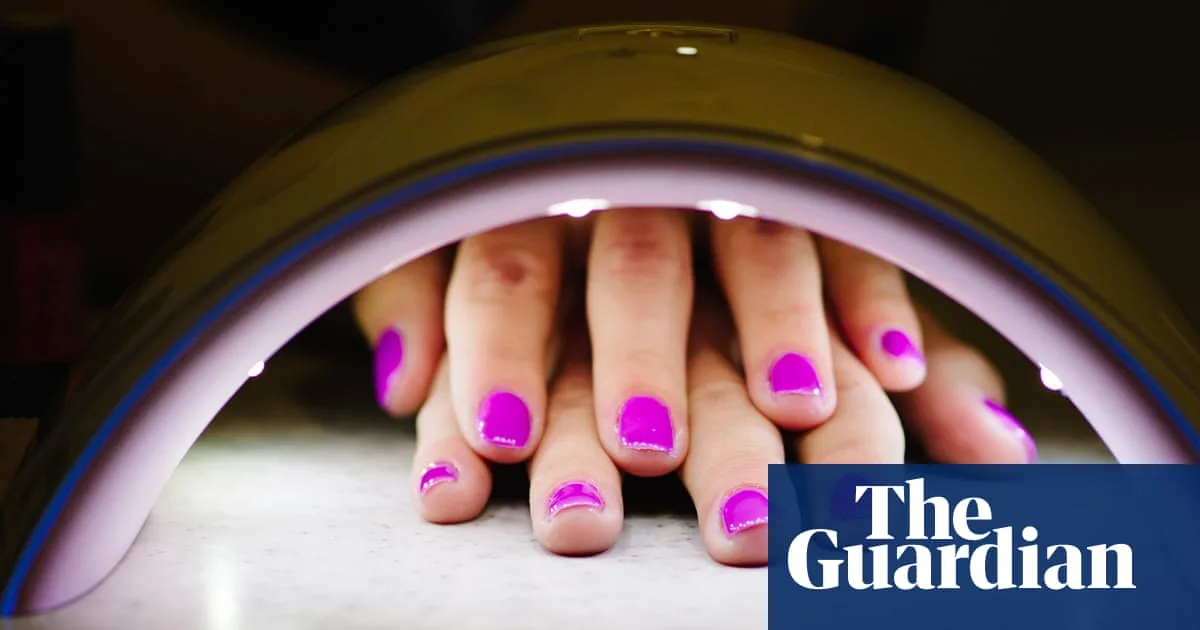
Nail bars now outnumber banks on many UK high streets, but the soaring popularity of gel manicures has raised safety concerns. Last month, the European Union banned TPO, an ingredient that helps gel polish harden under UV light, after animal studies suggested it could harm fertility or a developing foetus. The UK is expected to follow next year. This follows restrictions on Hema, another common ingredient, in 2021 after a surge in allergic contact dermatitis cases.
Dr Shari Lipner, a dermatologist at New York-Presbyterian hospital, warns that allergies to acrylates in gel polish can lead to cross-reactions with other products. “Once someone develops an allergy to one acrylate, our immune system often recognises related chemicals,” she says. This could affect dental fillings, medical adhesives, joint replacements, insulin pumps, or even false eyelashes and hair extensions.
Trimethylbenzoyl diphenylphosphine oxide (TPO) is a photoinitiator that triggers UV curing. Research by Prof Runzeng Liu of Shandong University found photoinitiator levels in Chinese salon dust were about 100 times higher than in typical indoor environments, and chemicals on technicians’ hands roughly 200 times higher than in the general population. He is concerned about “cocktail effects” from simultaneous exposure to multiple photoinitiators.
Dr Kelly Dobos, a cosmetic chemist at the University of Cincinnati, notes that the TPO ban is based on animal studies at high oral doses, not direct human evidence. “It doesn’t mean people need to stop enjoying their nail services,” she says, recommending salons that follow best practices including proper curing, good ventilation and trained professionals.
Enforcement remains a challenge. Jan Jordens of Vito, an independent research organisation in Belgium, says labels on raw materials bought outside Europe often do not match actual contents. His team has developed a test to detect TPO and Hema, and is increasingly contacted by companies checking imported materials.




