
A leading paediatrician has told BBC Panorama that the NHS is failing some parents whose children die unexpectedly, leaving them without crucial support. Dr Joanna Garstang, chair of the Association of Child Death Review Professionals (ACDP), said bereaved families are being set up for 'a lifetime of misery' when they do not receive the help they are entitled to.
Each year, around 50 children in the UK die from Sudden Unexplained Death in Childhood (SUDC), a term for the unexplained death of a child aged between one and 17. Unlike Sudden Infant Death Syndrome (SIDS), which affects babies under one and has seen an 80% reduction in deaths over 30 years, SUDC remains poorly understood.
When a child dies unexpectedly, the NHS is required to assign a key worker to support bereaved parents through the death review process. However, a survey by the ACDP found that more than half of NHS areas in England lack a specialist nurse for this role. Dr Garstang, who runs one of the few teams providing such support, said: 'It makes me really angry.'
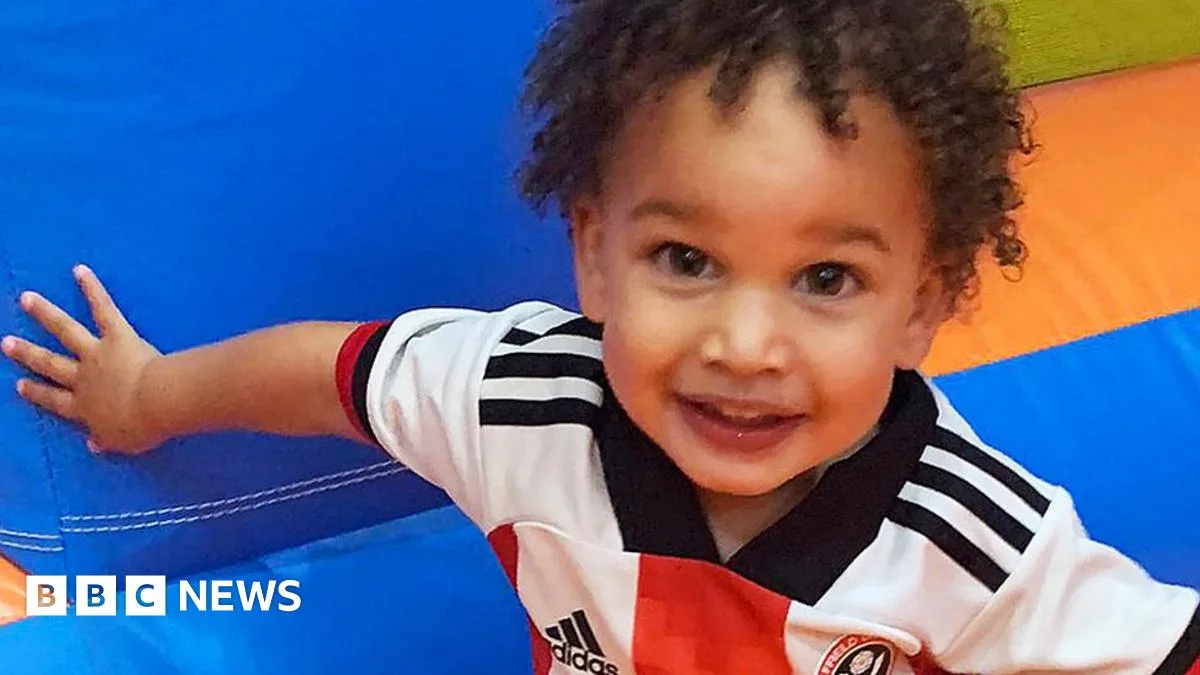
Gavin and Jodie, whose two-year-old son Addy died suddenly in November 2022, said they were left to navigate the process alone after a few initial home visits. They arranged private grief counselling after being told NHS therapy would involve a six-month wait. 'The most precious thing has been taken from us, and nobody knows why,' Jodie said.
Research into SUDC is limited, but a team at New York University has analysed video footage of five children who died unexpectedly in their sleep, finding signs of seizures in all cases. Lead researcher Laura Gould, who lost her daughter to SUDC 25 years ago, called the findings 'a huge breakthrough.' The team is building a global database to identify patterns.
The NHS said it 'offers bereaved families a range of support.' But Dr Garstang warned that without early intervention, parents face long-term trauma. 'These are the most vulnerable people,' she said.




