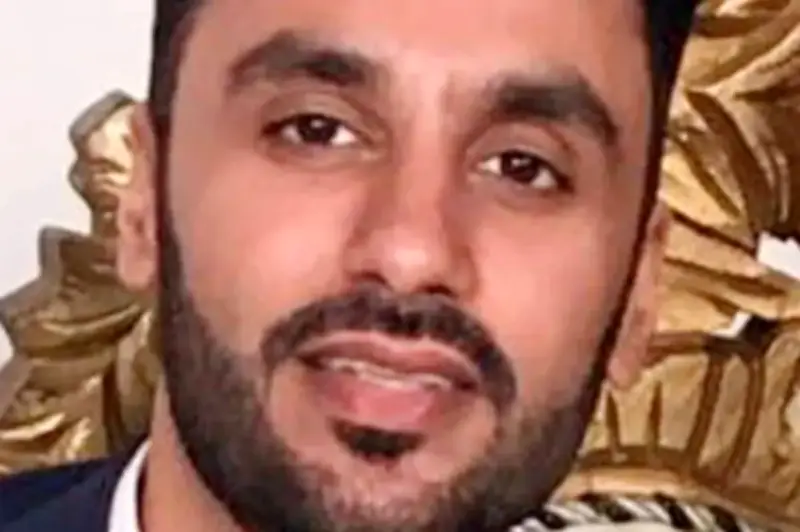
Jagtar Singh Johal, a Scot from Dumbarton detained in India for nearly nine years without conviction, has been released from prison. The 39-year-old was arrested by Indian authorities in 2017 over alleged terrorism offences, just weeks after his wedding.
On Thursday, the human rights organisation Reprieve confirmed his release. The Delhi High Court had previously announced that a 2024 conviction had been overturned, making Mr Johal a free man.
Family reaction to release
His brother, Gurpreet Singh Johal, had earlier said that he had completed all necessary paperwork needed to grant him his freedom. Referring to his brother’s release on Thursday, Gurpreet said: “There have been so many setbacks and disappointments in the last nine years that I didn’t dare to believe it until I saw Jagtar walking out of the prison gates with my own eyes.
“The last two weeks have been torture – knowing that Jagtar had been granted bail but the authorities were refusing to let him out.
“I’ll sleep well tonight, knowing that he’s not behind bars. Tomorrow morning, the fight continues, because he’s still on trial and facing the death penalty for something he didn’t do, trapped in a sham legal process designed to punish him for standing up for human rights.
“We’ll keep on fighting until he’s home with us. Now it’s over to the UK Government to get it done.”
Political and legal context
Scottish First Minister John Swinney has previously welcomed the news that he was to be released. Mr Swinney said: “The Scottish Government has consistently called for Mr Johal’s release and repeatedly raised concerns about his prolonged detention, including in light of the findings of the UN Working Group on Arbitrary Detention.
“While I recognise that legal proceedings remain ongoing, this is a significant and positive development for Mr Johal, his wife and his family, who have campaigned tirelessly on his behalf.”
Mr Johal was acquitted last year in a case in which he was accused of financially supporting a terror group but he still faces federal charges in the country related to the same allegations.
A group of UN experts said his imprisonment is an example of arbitrary detention, where a person is jailed without a legal basis, and said he has endured “a form of psychological torture”. Indian authorities have previously denied the torture claim and have repeatedly maintained due process is being followed.