Crematorium Opens Doors to Demystify the Cremation Process
While the mysteries of an afterlife remain unresolved, the physical journey of the human body after death is becoming clearer, thanks to a unique initiative by a Nottingham crematorium. Bramcote Crematorium recently hosted an open day to engage with the public, aiming to dispel widespread misconceptions and alleviate anxieties surrounding the cremation process.
Addressing Common Myths and Fears
Louise Singer, manager of the council-operated bereavement services, emphasized the importance of transparency. "There are so many myths about what happens at a crematorium," she told Nottinghamshire Live. "People think we resell the coffins or mix the ashes, so today is to show we are transparent and we care. We just want to reassure them through the process." This event sought to provide factual insights into a topic often shrouded in uncertainty and folklore.
The Step-by-Step Cremation Procedure
Contrary to popular belief, the cremation does not begin immediately after a service. By law, crematoriums have up to 72 hours to perform the cremation, though Bramcote aims to complete it within 24 hours. The process involves several critical steps:

- Initial Checks: Staff first ensure no items are left in the coffin and verify that the deceased does not have a pacemaker, as its explosion could lift the 20-tonne machines.
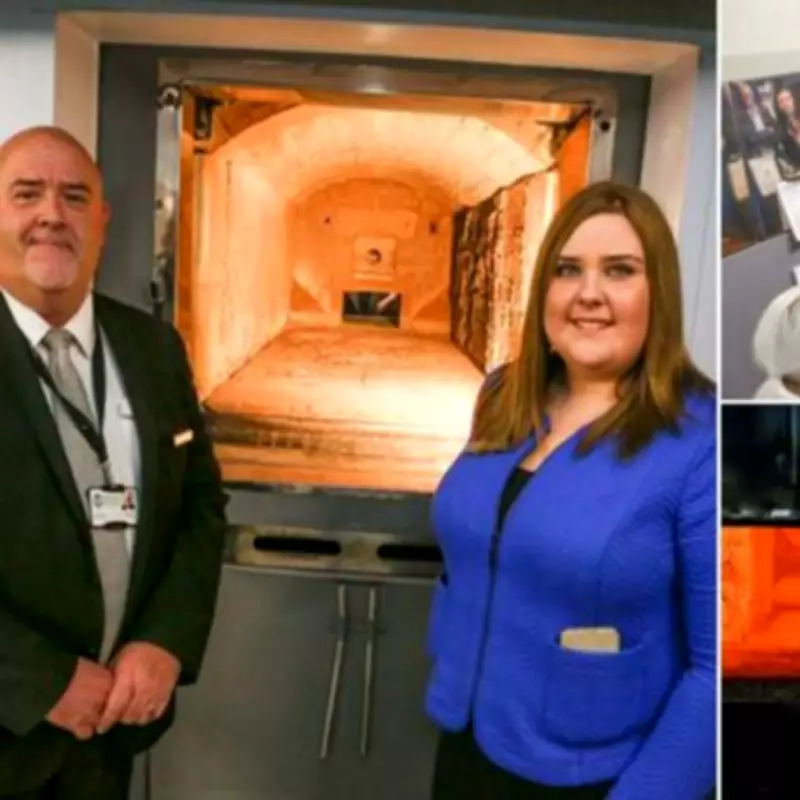
- Cremation Chamber: The body is placed in one of two gas-fuelled machines, where temperatures reach 800 to 1,000 degrees Celsius. The heat is so intense that machines remain at 300 degrees days after being switched off.
- Duration and Monitoring: Cremation takes about 90 minutes, with staff monitoring through a viewing hole until no visible flames remain. Waste particles are filtered to prevent mercury from fillings entering the atmosphere.
Handling Ashes and Environmental Considerations
After cremation, ashes with a sand-like consistency are gathered and cooled for an hour. Andy Hands, senior operative, noted that the final weight varies based on bone density, often rumored to match birth weight. A machine then sifts the ashes to remove metal objects like wedding rings or hip replacements, which are recycled with proceeds donated to charity.
Next of kin decide whether to scatter ashes at the crematorium or elsewhere, with some choosing to incorporate them into tattoos or jewellery. Throughout, a form accompanies the body and is signed at each stage to prevent errors. Bramcote, which cremates 3,000 people annually, is also exploring using excess heat to warm the facility, highlighting a move towards sustainability.