Covid Inquiry Delivers Damning Verdict on NHS Preparedness
The UK Covid-19 Inquiry has delivered a definitive verdict that the National Health Service was indeed overwhelmed during the pandemic, directly contradicting repeated assertions by former Prime Minister Boris Johnson and his Health Secretary Matt Hancock. Inquiry chair Baroness Heather Hallett stated unequivocally that the NHS "teetered on the brink of collapse" and was only saved from complete disaster by the extraordinary sacrifices of healthcare workers.
Political Denials Versus Frontline Reality
During their evidence to the inquiry, both Johnson and Hancock maintained the position that the NHS was never overwhelmed. Johnson told the inquiry he "no longer buy[s] all this NHS overwhelmed stuff," while Hancock claimed "we took action to ensure that the NHS was never overwhelmed." These statements stand in stark contrast to the experiences documented by frontline staff, patients, and bereaved families.
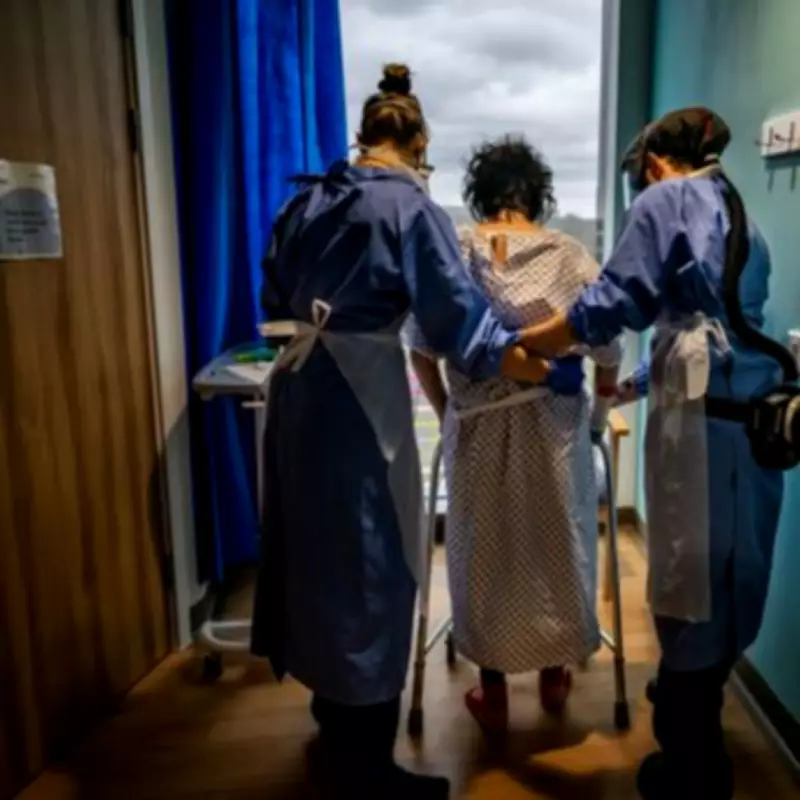
Nurses and doctors who attended inquiry hearings watched with visible anger as politicians publicly doubted their lived experiences. Many healthcare workers broke down in the public gallery, their distress palpable as they heard their traumatic experiences being minimized by those in power during the crisis.

The Human Cost of Underpreparedness
The inquiry heard harrowing accounts of impossible decisions made on overstretched wards. Doctors and nurses were forced to prioritize which patients would receive care, while others died in ambulances or at home before reaching hospital. All planned care was halted, including critical cancer diagnoses, creating a secondary health crisis that continues to impact the nation.
Thousands of NHS and social care workers contracted Covid-19 while performing their duties, with many paying the ultimate price. The psychological toll on survivors has been immense, with evidence showing mental health issues among intensive care staff reaching levels comparable to British military personnel who served in combat roles in Afghanistan.
Austerity's Legacy of Vulnerability
The inquiry revealed how years of Conservative austerity policies left the NHS dangerously exposed when the pandemic struck. Following David Cameron's premiership from 2010, the NHS experienced a record funding squeeze while the social care sector deteriorated rapidly throughout the preceding decade.
When Covid-19 arrived, the UK entered the crisis with just 7.3 critical care beds per 100,000 people - a fraction of Germany's 28.2 beds or the Czech Republic's 43.2 beds per 100,000. England faced 40,000 nursing vacancies at the pandemic's onset, a staffing crisis that rendered the much-publicized Nightingale Hospitals largely useless due to insufficient medical personnel to staff them.
Systemic Failures and Political Choices
The evidence presented to the inquiry paints a picture of systemic failure rooted in political decisions. The NHS lacked appropriate personal protective equipment, adequate intensive care capacity, and sufficient staffing levels to withstand the shock of a global pandemic. Nurses who previously experienced one death on their ward every couple of months found themselves dealing with eight deaths per shift during the crisis peak.
Baroness Hallett's findings confirm what frontline workers have known all along: that political choices made in the decade before the pandemic left the health service critically vulnerable. The inquiry's conclusions now place the responsibility for this vulnerability squarely where it belongs - on the political decisions that prioritized austerity over preparedness.
Looking Forward: A Test for Labour
With the current Labour government now in power, the question becomes whether different choices will be made to strengthen the NHS against future crises. The inquiry's damning conclusions about the consequences of underinvestment and understaffing provide a clear roadmap for what must change to prevent a repeat of the devastating experiences documented during the Covid-19 pandemic.
The official recognition that the NHS was overwhelmed represents more than just a correction of the historical record - it serves as a stark warning about the human cost of political decisions that leave essential services vulnerable in times of crisis.