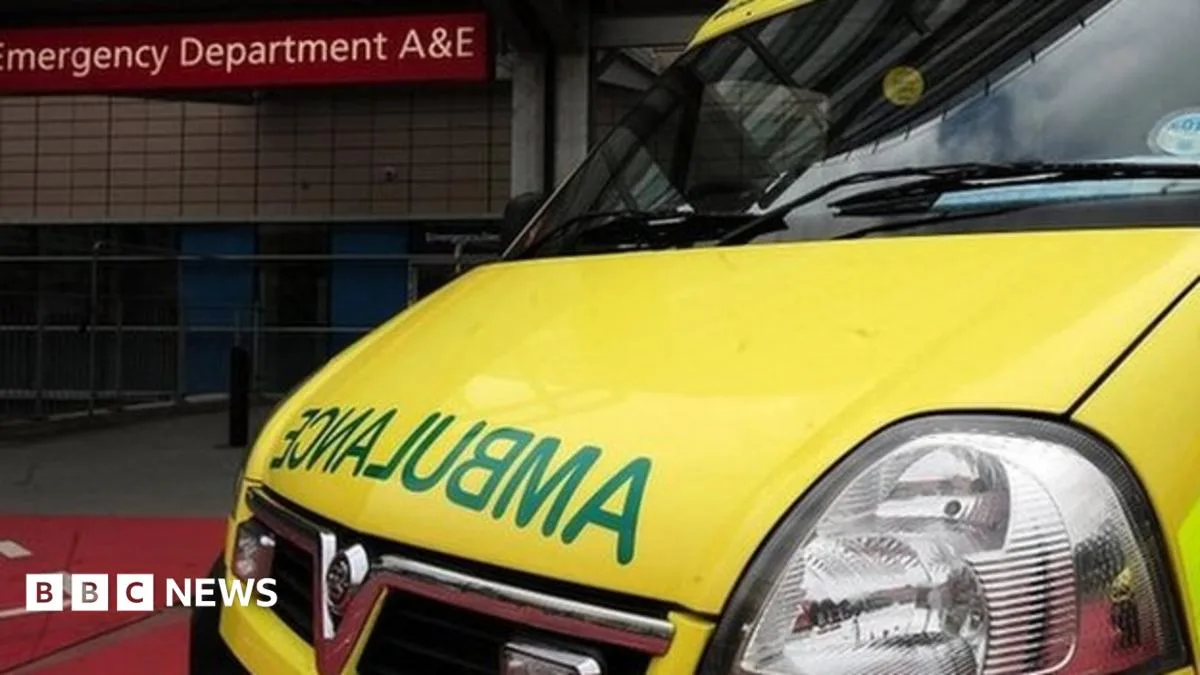
Coroner Demands Asthma Assessment Changes After Skin Tone Confusion in 22-Year-Old's Death
Coroner Calls for Asthma Assessment Changes After Skin Tone Confusion

Coroner Demands Asthma Assessment Changes After Skin Tone Confusion in 22-Year-Old's Death

A coroner has issued a stark warning and called for urgent improvements to how asthma attacks are assessed by emergency services following the tragic death of a mixed-race 22-year-old man. The case highlighted critical failures in communication and ambulance availability that led to fatal consequences.

Misinterpretation of 'Deathly Colour' Description

Roman Barr was assessed as not being an urgent case when his parents called for an ambulance during his severe asthma attack on December 14, 2023. His father described him as having a 'deathly colour' during the emergency call, but this was misinterpreted due to Mr Barr's darker skin tone. Despite having bluish lips and being critically ill, he was not categorised as a priority case.

The family was told they would have to wait several hours for an ambulance to arrive. After making three separate 999 calls and receiving the same response, they made the desperate decision to drive him to hospital themselves. Tragically, Mr Barr suffered a cardiac arrest during the journey and could not be resuscitated upon arrival at the hospital.

Wide Pickt banner — collaborative shopping lists app for Telegram, phone mockup with grocery list

Coroner's Findings and Recommendations

Area Coroner for Coventry, Linda Lee, conducted an inquest into Mr Barr's death and issued a prevention of future deaths report. She found that clearer wording of questions from call handlers was urgently needed to prevent similar tragedies.

The coroner specifically highlighted that the NHS Pathways question requiring confirmation that the patient was 'a deathly colour' was not understood by Mr Barr's father. She noted that clearer prompts—such as asking whether the lips were blue or grey—were not asked during the emergency calls.

Ms Lee stated: "On the balance of probabilities, had clearer wording been used and the relevant information obtained, Roman would have been categorised as Category 1, for which an ambulance would be expected to arrive within approximately ten minutes even during surge conditions."

Systemic Failures and Ambulance Availability

The coroner's report, sent to the Secretary of State for Health and Social Care, NHS England, the Royal College of GPs, and the Care Quality Commission, identified multiple systemic failures. Ambulance availability was severely constrained due to significant delays in hospital handovers, leaving no crews free to respond to emergency calls.

Ms Lee revealed that a recommendation made during a subsequent review to amend the NHS Pathways wording had not been accepted by those responsible for the system's content. This failure to implement necessary changes contributed directly to the tragic outcome.

Asthma Management Concerns

The inquest also uncovered concerning details about Mr Barr's asthma management in the period leading up to his death. Evidence showed he had been using his blue (salbutamol) inhaler more frequently than recommended, indicating poor asthma control.

Neither he nor his family were aware of the clinical significance of this increased use, according to the coroner's findings. Following his death, the GP practice conducted a review and introduced measures to better identify and monitor patients with high salbutamol use.

Family's Heartbreaking Loss

Following the inquest, Roman's father Darren Barr spoke movingly about his son: "Roman was my soulmate. We spent a lot of time together, both of us passionate about fitness and bodybuilding, through which he built an amazing network of friends and admirers."

He added: "Everywhere we go now, we get the same shocked response to our story – it has an impact on everyone. I want to ensure my son's life does not go to waste, and that we continue Roman's love of helping others. This is not just our story, or Roman's story, it needs to be under the national spotlight."

The coroner concluded with a narrative verdict stating that Mr Barr died from an asthma attack, and that earlier intervention by an emergency ambulance would have prevented his death on the balance of probabilities. The case has raised serious questions about emergency response protocols and racial bias in medical assessments that must be addressed urgently.

Pickt after-article banner — collaborative shopping lists app with family illustration