Daily Mail journalists meticulously select and curate the products featured on our platform. Should you make a purchase through links on this page, we may earn a commission – learn more about our process. There exists a silent epidemic impacting millions of individuals across the globe, and the vast majority remain entirely unaware of its presence. This phenomenon originates from a fundamental survival mechanism within the human body.
The Body's Defence Mechanism Gone Awry
When you sustain an injury or contract an infection, your immune system initiates a powerful response. It releases a cascade of chemical signals that summon white blood cells to the affected area. Blood vessels dilate, fluid permeates the surrounding tissue, and the region becomes warm, swollen, and red. This process is known as inflammation – the body's primary method for containing damage, combating threats, and commencing the repair process. In acute situations, this is a vital, life-preserving reaction.
However, in contemporary society, this intricate system can become excessively active. Instead of deactivating once the immediate danger has subsided, it can persist at a low, simmering level for months or even years. This condition is referred to as chronic, low-grade inflammation. Medical professionals now believe it is remarkably prevalent in industrialised nations. You do not feel the inflammation directly, but you undoubtedly experience its profound consequences.

The Subtle Symptoms of a Hidden Process
From persistent fatigue and mental cloudiness to diminished mood and a lack of drive, this covert biological process may be quietly dictating how your body and mind operate each day. According to General Practitioner and emergency medicine specialist Dr. Jose Crespo, it not only jeopardises long-term health but can also impair your capacity to think clearly, maintain energy levels, and achieve personal objectives. Here are the five principal ways it might be hindering your progress, alongside actionable strategies to address them.
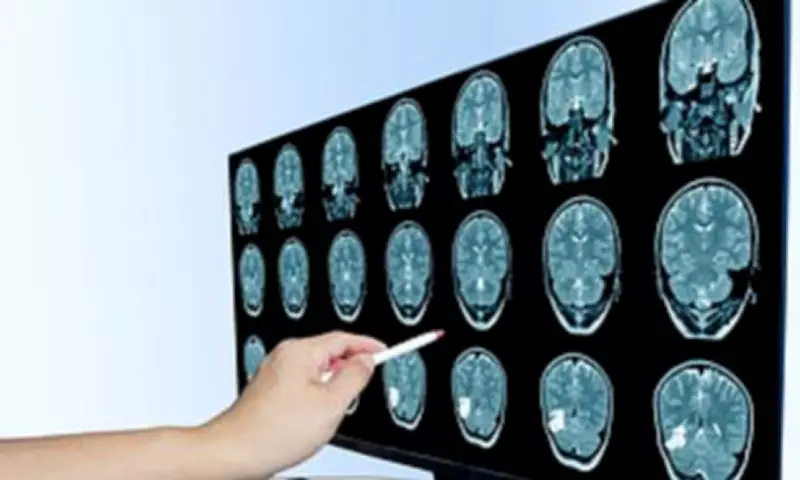
Chronic inflammation has been scientifically linked to conditions such as depression, cognitive decline, and the pervasive experience of brain fog.
Why Persistent Fatigue Plagues You
If you notice yourself tiring more readily than in the past – whether during physical exertion or simply navigating daily tasks – inflammation could be a contributing factor. Over an extended period, chronic inflammation damages the endothelial lining of blood vessels, rendering them less flexible and efficient at regulating blood flow. This impairment reduces the effective delivery of oxygen and vital nutrients throughout the body.
The outcome is a subtle yet significant decline in physical efficiency. Muscles may fatigue at a quicker rate, recovery periods can lengthen, and overall stamina begins to wane. Even before any diagnosable medical condition emerges, this compromised circulation can leave you feeling perpetually drained, as if your body is exerting excessive effort for ordinary output.
The Biological Roots of Brain Fog
That familiar sensation of brain fog – struggling to concentrate, experiencing frequent memory lapses, or finding it challenging to think with clarity – may have a concrete biological basis. Inflammatory chemicals released into the bloodstream can cross the blood-brain barrier and disrupt communication between neurons. This interference affects critical processes governing memory, focus, and decision-making capabilities.
Research indicates that even mild, short-term inflammation can impair memory and concentration within mere hours. Over the long term, elevated inflammation levels are associated with reduced brain volume and poorer performance on tasks requiring planning and sustained attention. In essence, inflammation does not solely affect the physical body; it can directly influence cognitive clarity and mental sharpness.

Unexplained Mood Fluctuations and Inflammation
Feelings of low mood or anxiety are not always purely psychological in origin. In numerous instances, they may be partially driven by physiological changes within the body. Inflammation alters how the body processes tryptophan, a crucial amino acid necessary for producing serotonin, a neurotransmitter that helps regulate mood. As inflammation intensifies, serotonin production can decrease, while other metabolic by-products that may adversely affect brain cells increase.
This biochemical shift can trigger symptoms reminiscent of depression and anxiety, including persistent low mood, irritability, and a sense of emotional numbness. For many individuals, this connection may explain why they experience prolonged feelings of sadness or anxiety without an apparent external trigger. While inflammation is unlikely to be the sole factor, it represents a significant and frequently overlooked contributor to mental well-being.
Why Your Energy Reserves Never Fully Replenish
If you feel as though your energy levels never completely recover, even after adequate rest, inflammation might be maintaining your body in a constant state of physiological strain. During inflammatory responses, the body redirects resources toward immune activity rather than performance enhancement, tissue repair, and growth. It effectively enters a protective mode, prioritising defence mechanisms over operational efficiency.
At the cellular level, inflammatory signals can also interfere with mitochondria, the organelles responsible for generating energy. This disruption can reduce the amount of usable energy your cells produce, thereby contributing to profound fatigue. Concurrently, inflammation has been linked to a decreased motivation to engage in demanding tasks, suggesting that what feels like simple tiredness may, in part, reflect a biological energy deficit.
The Struggle to Maintain Positive Habits
If you find it exceptionally difficult to adhere to routines or follow through on constructive intentions, inflammation may be affecting the brain region responsible for self-control. Inflammatory chemicals can diminish activity in the prefrontal cortex – the area involved in planning, decision-making, and behavioural regulation. This makes it harder to maintain focus, resist distractions, and exercise discipline over time.
Scientific studies also suggest that inflammation can impair working memory and attention, both of which are essential for establishing and sustaining new habits. Practically speaking, this means that what feels like a personal failure of willpower may not be entirely characterological. In many cases, it may reflect an underlying biological state that renders self-regulation more challenging.
A Real-World Example: Arthur's Journey
Consider the case of a forty-two-year-old executive named Arthur, who struggled to maintain consistent productivity despite experimenting with numerous strategies. Medical testing eventually revealed elevated levels of inflammation. After implementing improvements to his sleep hygiene, reducing his intake of processed foods, and adjusting his overall diet, his mental clarity significantly improved – and the same productivity strategies began to yield results.
Rather than stemming from a lack of personal discipline, his difficulties were fundamentally rooted in his physiology. This underscores the importance of addressing chronic inflammation as a potential barrier to personal and professional fulfilment.