CDC Delays Publication of Report Highlighting Covid Vaccine Benefits
The United States Centers for Disease Control and Prevention has postponed the release of a significant report detailing the substantial benefits of Covid-19 vaccination, according to insider sources. The stalled publication has raised serious concerns that information contradicting the views of Health and Human Services Secretary Robert F. Kennedy Jr., a longstanding vaccine sceptic, may be intentionally sidelined for political reasons.
Study Findings and Publication Delay
The research, originally scheduled for publication on March 19 in the CDC's premier scientific journal, the Morbidity and Mortality Weekly Report, revealed compelling evidence supporting vaccination. The Washington Post reported that the study found healthy adults who received the Covid vaccine reduced their risk of urgent care and emergency department visits by an impressive 50 percent. Furthermore, vaccinated individuals experienced a 55 percent decrease in Covid-related hospitalisations compared to unvaccinated adults during 2025 and 2026.
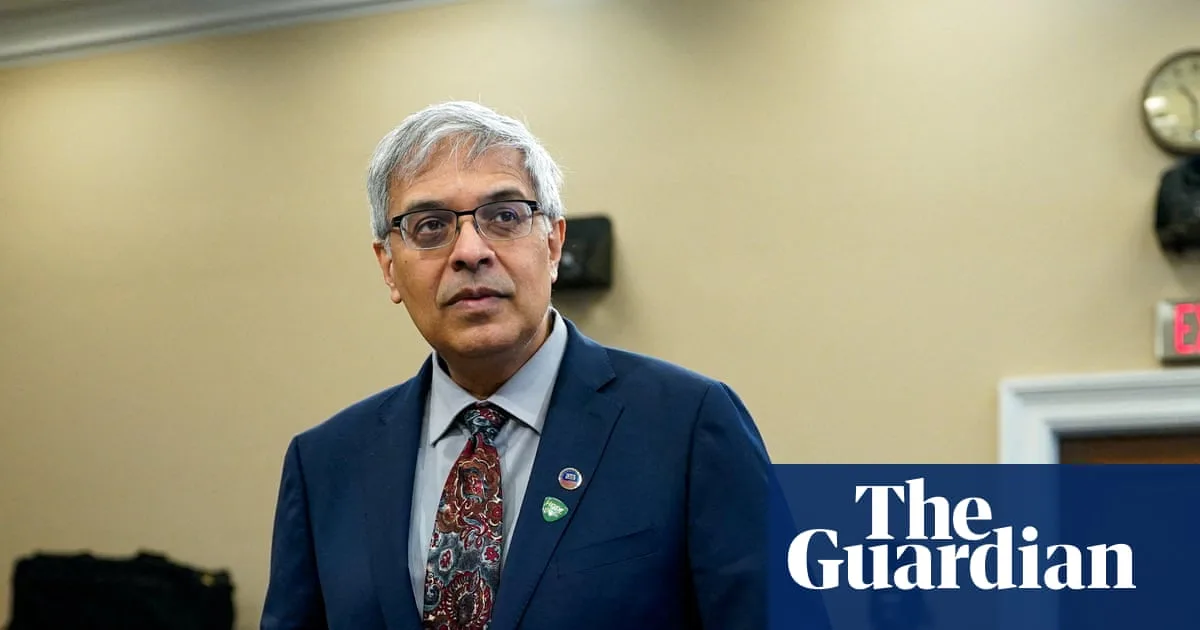
Despite receiving approval through the CDC's standard scientific review process, acting CDC Director Jay Bhattacharya intervened to delay the report's publication. Two unnamed scientists familiar with the matter confirmed that Bhattacharya expressed methodological concerns about the research, though the CDC has historically employed identical methodology for assessing respiratory virus vaccines, including influenza immunisations.
Conflicting Perspectives on Methodology
Andrew Nixon, a spokesperson for the Department of Health and Human Services, which oversees the CDC, defended the delay as routine procedure. "It's standard practice for CDC leadership to review and flag concerns about MMWR papers, particularly regarding their methodology, in the lead-up to planned publication," Nixon explained to The Washington Post. He elaborated that Bhattacharya had raised specific concerns about "the observational method used in the study to calculate vaccine effectiveness," with the scientific team currently working to address these issues.
An anonymous HHS official further criticised the methodology as potentially biased, arguing that focusing on hospitalised patients failed to adequately represent the broader American population. However, this perspective faced significant pushback from public health experts familiar with vaccine research methodologies.
Expert Defence of Research Approach
Dan Jernigan, who recently led the CDC's vaccine safety office, defended the report's methodology despite acknowledging its imperfections. "It's a real-world approach where you can't control differences between people who get vaccinated and those who don't, and how that influences their likelihood of getting infected," Jernigan stated. He emphasised that this approach remains well-suited for tracking vaccine performance in practical settings.
Jernigan, who resigned last year amid disputes with Kennedy, suggested the report's release might undermine the HHS secretary's established vaccine narrative. "The secretary has already taken steps to try and remove the availability of the vaccine from children and others, so if you're putting out an MMWR that the vaccine is effective at preventing hospitalisations and medical care visits ... that message is not in line with the direction you've been taking," he told reporters.
RFK Jr's Vaccine Scepticism and Policy Changes
Robert F. Kennedy Jr. brings a lengthy history of vaccine scepticism to his role as HHS secretary. Previously chairing Children's Health Defense, a prominent anti-vaccine organisation, Kennedy has described Covid vaccines as "the deadliest vaccine ever made" and claimed during September 2025 congressional testimony that "we were lied to about everything" regarding Covid vaccine development.
During his tenure, Kennedy has overseen significant policy shifts regarding immunisation. Last year, he directed the CDC to eliminate its Covid vaccine recommendation for children and healthy pregnant women, drawing criticism from numerous public health experts. More recently, Kennedy-appointed advisers considered ending recommendations for Covid mRNA vaccines entirely, though this proposal was ultimately shelved.
Broader Implications and Public Opinion
This incident highlights the competing factions within and outside the administration regarding vaccine policy. While some officials seek to prevent further changes before upcoming elections, certain advocates continue pressing Kennedy to intensify his vaccine-sceptic stance. Public opinion remains divided, with a September 2025 YouGov survey revealing that 41 percent of Americans believe Covid vaccine benefits outweigh risks, while 39 percent consider risks and benefits approximately equivalent or believe risks outweigh benefits.
The delayed publication underscores ongoing tensions between scientific evidence and political considerations in public health policy, particularly regarding vaccination strategies as the nation continues navigating the Covid-19 pandemic's evolving challenges.