A five-year-old boy has been left with a permanent dragon-shaped scar on his arm after suffering a severe allergic reaction to a black henna tattoo applied during a family holiday in Egypt. The incident has prompted urgent warnings from health experts and the child's mother about the dangers of certain henna dyes used in tourist destinations.
Holiday Tattoo Turns Into Permanent Scar
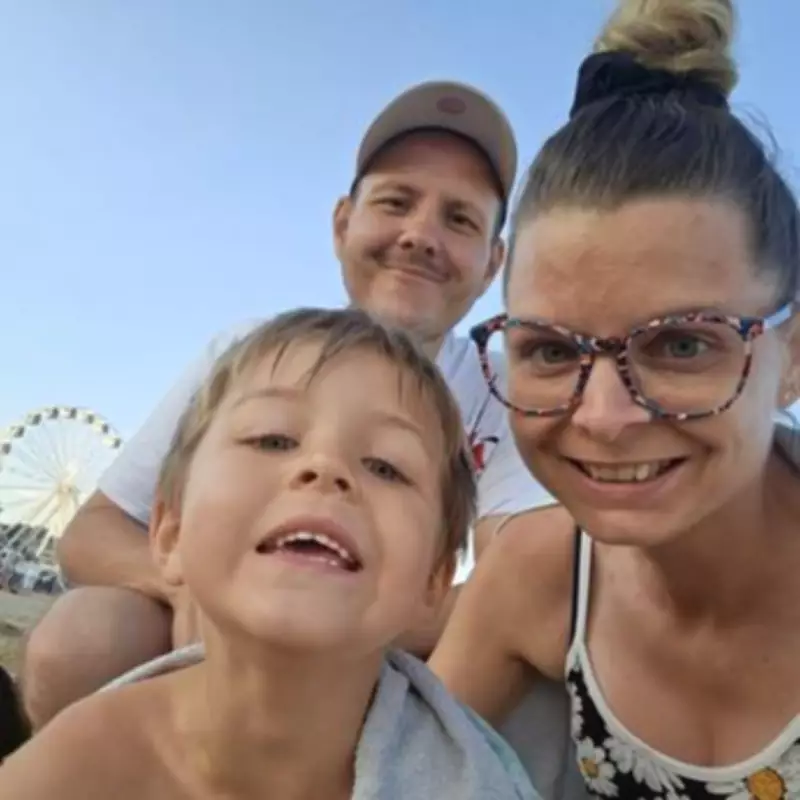
Kirsty Campbell Russell, a 36-year-old cleaning business owner from Basingstoke in Hampshire, traveled to Sharm El-Sheikh in Egypt last December with her partner and five children for a nine-day holiday. During their trip, the family visited a local shopping centre where they all decided to get henna designs applied to their arms.
Kirsty chose a traditional pattern for her hand, while her youngest son, Mason Abrams, then aged five, selected a dragon design for his right arm. Initially, everyone enjoyed their temporary tattoos and experienced no irritation while still abroad. The problems began approximately ten days later when Mason's design naturally faded away.

Allergic Reaction Reveals Permanent Damage
When the black henna tattoo rubbed off Mason's skin, his mother was horrified to discover a raised, red imprint of the dragon design remaining on his arm. Although the boy reported no pain, the persistent mark prompted Kirsty to book a video consultation with their GP.
The doctor confirmed that Mason had suffered an allergic reaction to the tattoo dye, specifically identifying the problem as black henna rather than traditional brown-orange henna. According to medical professionals, black henna frequently contains the chemical dye p-Phenylenediamine (PPD), which can cause severe skin reactions including blistering, painful burns, and permanent scarring.
Mother's Warning About Henna Safety
Kirsty Campbell Russell is now speaking out to warn other families about the potential dangers of holiday henna tattoos. "I would tell people to check what ingredients are in the henna and note it shouldn't be black, it should be brown," she advised. "The man just told me it was safe and I just presumed henna was henna. I didn't realise there were different types."
The concerned mother described her initial reasoning for allowing Mason to get the tattoo: "He's the youngest of five, so if all the others are getting one, it was a bit mean not to let him get one. I had one done too and mine and everyone else's was fine. The tattoo looked fine and he didn't complain at all."
Permanent Consequences and Medical Advice
Kirsty expressed deep concern about the lasting impact on her son's skin: "It was raised and you can still see it now. I think he's going to be scarred for life, it looks like a scar now. I'm worried it's going to be there forever and he's going to be left with a permanent tattoo from it."
Medical professionals have advised the family to protect the affected area from sunlight and apply extra sunscreen until the skin fully heals. However, the visible imprint remains, suggesting the damage may be permanent.
Understanding the Risks of Black Henna
The British Skin Foundation confirms that black henna poses significant health risks due to its frequent inclusion of PPD, a chemical dye not found in traditional natural henna. This additive can trigger severe allergic reactions even in individuals who have never previously experienced sensitivity to henna.
Health experts emphasize several crucial safety points for anyone considering henna tattoos:
- Always verify that artists are using natural, brown-orange henna rather than black henna
- Request information about the ingredients in the henna paste before application
- Be particularly cautious with children's sensitive skin
- Recognize that immediate lack of reaction doesn't guarantee safety, as problems may develop days later
Kirsty reflected on her family's experience with regret: "I noticed that it was an allergic reaction and I did feel a bit guilty about it, but we asked if it was safe and the guy showed us photos of toddlers getting it done. We trusted where we had it done." Her story serves as a cautionary tale for families planning holiday activities that might seem harmless but carry unexpected risks.