BBC Ambulance Programme Highlights Critical Strain on Emergency Services
Audiences of the BBC documentary series Ambulance have expressed profound anger and concern after the latest episode laid bare the severe pressures facing paramedics in Yorkshire. The installment, which aired recently, followed ambulance crews operating across the coastal regions of Scarborough and Whitby, uncovering what many viewers described as an "utterly ridiculous" and alarming situation within the National Health Service.
Shocking Revelations About Ambulance Coverage
One of the most startling disclosures from the programme was that Scarborough, with a population of approximately 108,000 residents, had only five ambulances available on shift during a bank holiday period. This revelation prompted a wave of fury on social media platform X, where viewers voiced their disbelief and frustration at what they perceived as gross underfunding and neglect by policymakers.
Social media reactions were swift and impassioned. One user wrote, "5 ambulances covering Scarborough on a bank holiday? That’s utterly ridiculous. I feel sorry for the ambulance service." Another commented, "Scarborough has 5 ambulances with a population of 118,000. Wowwww." A third viewer remarked, "5 ambulances for a population >100,000 seems like mad underfunding! We should be rioting over this dereliction of duty by our politicians not just watching the fallout of an underfunded and under resourced system as primetime 9pm telly."

Dangerous Delays and Geographic Disparities
The episode further highlighted perilous delays in emergency response times. In one frightening instance, a life-threatening Category One choking call came in, but the nearest ambulance crew was at least 35 minutes away. A viewer raged online, "This #ambulance show is a joke. The lack of funding that the NHS and ambulance service have is harrowing. 45 minutes to get to a cat 1 emergency, 5 ambulances for a population of over 100000, but politicians still say it is okay." Another agreed, stating, "Just as well she’s stopped choking with them taking over half an hour to get there. Not their fault of course, it’s lack of investment and resources."
Compounding these issues, the show revealed that when a crew was dispatched to cover a call in Bridlington, it left Scarborough with no ambulance cover at all, exposing vulnerabilities in the system. Towards the end of the episode, an on-screen graphic starkly illustrated the geographic inequalities in emergency care, noting that "on average, people living in the coastal and rural parts of Yorkshire wait 45% longer for emergency care than those living in urban areas."
Violence and Abuse Faced by Paramedics
The programme also shed light on the physical and verbal abuse endured by ambulance staff, a theme that has resonated deeply with audiences. In a previous installment, viewers were disgusted to see paramedic Louise punched in the nose by an aggressive patient during a seizure call, while her colleague Sarah was also struck in the face. Fans reacted with outrage on social media, with one writing, "I can’t believe the level of abuse these poor ambulance staff/paramedics receive! Nobody should have to put up with this when trying to earn a living! These people are trying to help you! Show some respect! Absolutely disgusting."
Another viewer said, "Two female paramedics got physically abused (one punched in the nose) by a drug user who overdosed and continued to help the man once the police arrived. Then drove him to A&E! Whatever these people earn - double it! #Ambulance." A third chimed in, "Those poor women. No one deserves to be smacked in the face when they’re trying to help someone #Ambulance."

Harassment in the Control Room
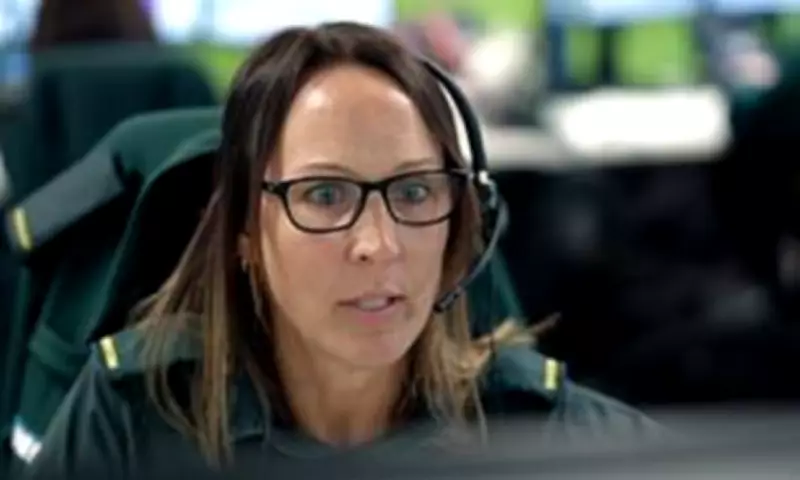
Beyond physical violence, the episode detailed harassment faced by control room staff. A persistent caller used abusive language towards operators, repeatedly phoning in despite previously refusing an ambulance, thereby blocking emergency lines from genuine life-threatening cases. Team leader Abi had to escalate the situation by reporting the caller to the police. She explained in the show, "As a manager, I'm very protective of my team. When I see my entire team receiving abuse and it affects multiple people, it is really difficult to see. No one deserves that. That shouldn't happen at all, but it certainly shouldn't happen to people who are there to help."
Addressing the impact of such behaviour, Abi added, "You can see how many genuine emergency calls are sat waiting to be answered, that need our help. You think, 'Why am I doing this?'" Viewers echoed this sentiment, with one fuming, "Absolutely disgusting behaviour from these ‘patients’ and callers, staff should be allowed to refuse to treat them." Another raged, "Will never understand how people can phone emergency services and act as rude and disrespectful as that!"
Ambulance continues to air on Wednesdays on BBC One and is available for streaming on iPlayer, providing a raw and unfiltered look into the challenges confronting emergency medical services across the United Kingdom.