A coroner has determined that delays in ambulance response times possibly contributed to the death of a man in 2019, bringing closure to a family who endured years of distress seeking answers. Peter Coates, aged 62, died in Redcar after a power cut disabled his mains-operated breathing apparatus, leading to a tragic chain of events that exposed systemic failures in emergency services.
Family's Long Struggle for Answers
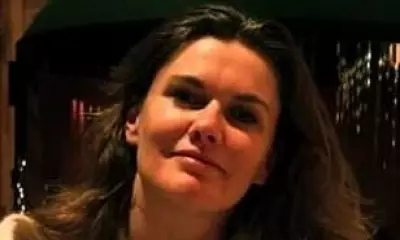
The family of Peter Coates welcomed the coroner's conclusion after facing what they described as "delays and resistance" from the North East Ambulance Service (NEAS) during their pursuit of the full circumstances surrounding his death. Kellie Coates, his daughter, stated that the process was not merely about managing grief but about challenging a system that appeared more focused on self-protection than on acknowledging and learning from its procedural mistakes.
Details of the Fatal Incident
In the early hours of 14 March 2019, a power cut struck Redcar, stopping the Cpap machine that Peter Coates relied on for breathing due to chronic obstructive pulmonary disease (COPD). He immediately called 999, and an ambulance was dispatched by NEAS. However, the same power cut prevented the first ambulance from exiting its station because electric gates failed to open, and staff were unaware of how to manually override them.

A second ambulance was sent from a farther station but stopped to refuel despite having nearly half a tank of fuel, adding a four-minute delay. Upon arrival, paramedics struggled to locate the key safe for entry, even though Coates had provided details during his emergency call. By the time they gained access, 47 minutes after his initial call, Coates had already passed away.
Coroner's Findings and Recommendations
Coroner Paul Appleton delivered a narrative conclusion, stating that ambulance delays had "possibly" contributed to Coates's death. He highlighted concerns about the gap between category one and two ambulance calls, noting that patients like Coates, who required an immediate response but were not in cardiac or respiratory arrest, could not be classified as category one. Appleton announced he would send a prevention of future deaths report to NHS England to address this issue.
The incident was treated as a category two call because Coates was able to speak, with a target response time of 40 minutes for 90% of such cases. In contrast, category one calls aim for a 15-minute response. Appleton's report aims to improve protocols for similar emergencies.
Systemic Changes and Apologies
Paul Elstob of NEAS's operational leadership team informed the inquest that staff have since been trained on manually operating gate controls to prevent similar obstacles. The family only learned the full details of the incident three years later when a whistleblower provided information to the Sunday Times, revealing that NEAS had covered up its failings.
Karen O'Brien, deputy chief executive at NEAS, expressed deep regret, stating, "This is a tragic incident which we understand has deeply affected the family and those staff at NEAS who were involved. We are truly sorry that we were not quicker in responding to Mr Coates' call." She acknowledged the prolonged impact on Coates's loved ones and offered sincere condolences, noting that the service has implemented changes to its processes.
Background on Peter Coates
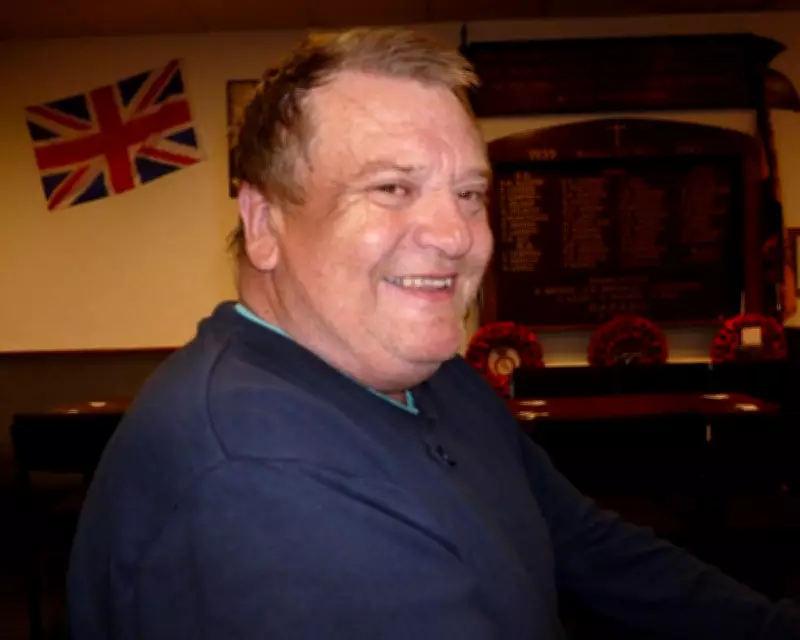
Peter Coates, who worked at Redcar British Steel throughout his career, had battled lung cancer and gone into remission, but was later diagnosed with COPD. He depended on a Cpap machine and portable oxygen bottles to breathe. During the power cut, he was unable to reach his portable oxygen, as captured in his 999 call where he said, "I'm breathing, but only just. You'd better get someone quick."
This case underscores critical issues in emergency response systems and the importance of transparency in healthcare services, prompting calls for ongoing reforms to safeguard vulnerable patients.