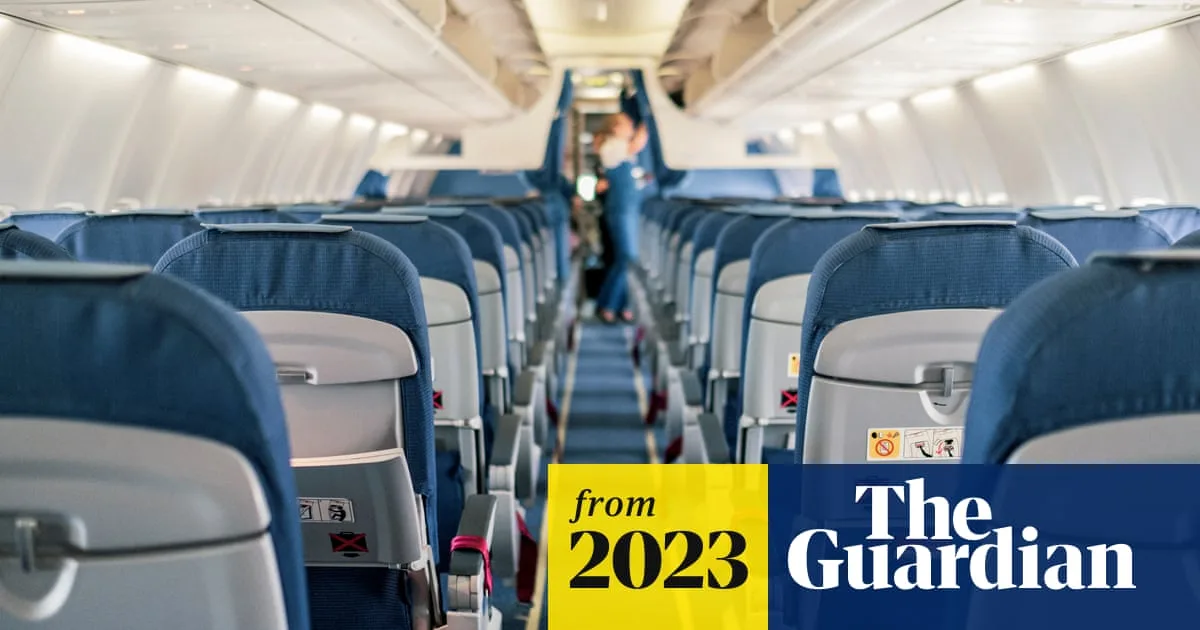
Britain is grappling with a severe obesity epidemic, and major airlines such as easyJet, British Airways, and Ryanair are being urged to emulate Southwest Airlines in tackling the issue head-on. The budget US carrier has implemented a controversial but necessary policy: charging plus-sized passengers for an additional seat when they cannot fit comfortably into a single space.
The Case for Accountability in Air Travel
The message from Southwest is clear: if you are too large and encroach on another passenger's seat, you must purchase two seats. This approach, while seemingly harsh, is a vital step in motivating the nation to address weight management. Being overly polite has not worked; holding individuals accountable might.
Many customers have taken to social media to voice their displeasure with the new 'Customer of Size' policy, yet it represents a fair and logical solution. Why should aircraft seats be enlarged to accommodate a growing population? Doing so would normalise obesity and remove a crucial incentive for weight loss.
Economic and Social Implications
Maintaining current seat sizes serves a dual purpose: it provides a wake-up call to individuals and prevents cost-shifting onto other travellers. Larger seats would necessitate fewer seats per plane or larger aircraft, ultimately penalising regular-sized passengers who would end up subsidising obese flyers.
Steve Miller, a TV personality known for presenting 'Fat Families' on Sky One, advocates for a balanced society—one that combines compassion with a firm emphasis on personal responsibility. He believes Southwest Airlines' policy should be a model for British carriers, potentially creating a positive domino effect.
Potential Benefits of Stricter Airline Policies
If airlines assess passengers' size and weight before boarding and require extra payment for those exceeding limits, it could significantly boost motivation for weight loss. This, in turn, would reduce obesity-related costs for the NHS and alleviate the burden on taxpayers.
The recent NHS National Obesity Audit highlights the urgency of the situation. Weight loss surgeries in the UK surged between 2024 and 2025, with regions like the North East and North Cumbria reporting some of the highest obesity levels nationwide.
Historical Trends and Cultural Shifts
Adult obesity rates in the UK jumped from 15% in 1993 to 25% in 2008, with a gradual increase to around 30% by 2024. Despite the proliferation of 'fat jabs' and medical interventions, obesity levels continue to rise, partly due to a culture of fat acceptance and political correctness that discourages open discussion.
Miller points to Japan as an example of a no-nonsense approach to obesity, where individuals are supported but also expected to take ownership of their health. He argues that blaming food manufacturers or the government is counterproductive; the real issue lies in cultural attitudes and mindset.
The Path Forward
Weight loss begins in the mind, not with dietary changes alone. It requires a shift in thinking and personal accountability. While airlines can play a role by implementing policies that encourage responsibility, the ultimate solution rests with individuals taking charge of their health.
As the obesity crisis deepens, adopting measures like Southwest's seat policy could be a pragmatic step toward fostering a healthier, more responsible society in the UK.