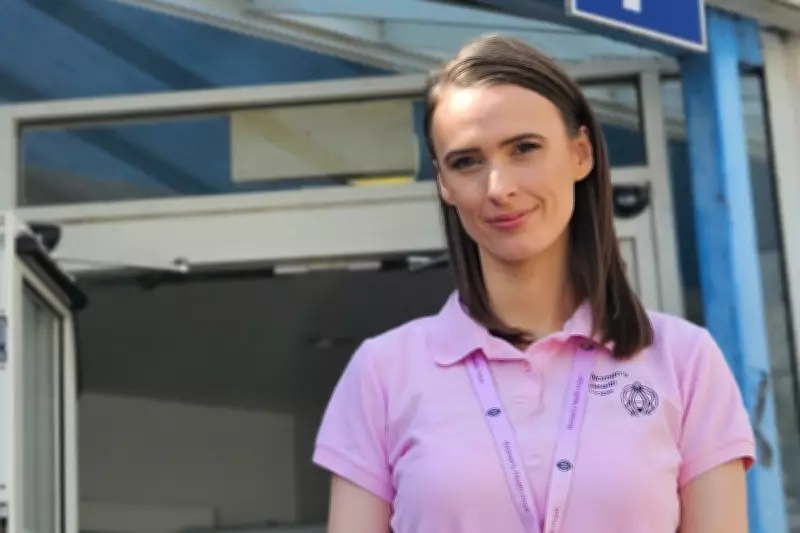
Monica Thomas spent 17 agonising years battling excruciating pain before finally receiving a diagnosis of endometriosis, a condition that had by then spread to her lungs. From the age of 15, the now 34-year-old faced a relentless struggle to have her symptoms taken seriously, enduring accusations of lying and drug-seeking behaviour while her health deteriorated.
A Decade-Long Diagnostic Crisis
Ms Thomas represents one of 1.5 million women across the United Kingdom living with endometriosis, a condition where tissue similar to the womb lining grows elsewhere in the body. Recent polling from Endometriosis UK reveals the average woman now waits nearly 10 years for diagnosis, an increase from eight years in 2020. This diagnostic delay has profound consequences for patients' physical and mental wellbeing.
The Physical and Psychological Toll
"I've been accused of being a drug seeker, I've been accused of lying, I've just not been believed," Ms Thomas revealed. "I've genuinely felt crazy throughout this process." Her symptoms began with pelvic pain but progressively worsened, eventually affecting her bowel and lungs. The psychological impact of medical dismissal led her to question her own experiences, a common trauma for endometriosis patients.

While most endometriosis cases involve pelvic pain, up to 12 percent of patients experience symptoms elsewhere in the body. Ms Thomas developed thoracic endometriosis, where tissue grows in the chest cavity, causing stabbing chest pain, breathing difficulties, and in severe cases, collapsed lungs or coughing up blood.
Systemic Failure and Personal Advocacy
Even after her initial endometriosis diagnosis in 2024, which included adenomyosis (where womb lining grows into the muscle), Ms Thomas faced further obstacles when she raised concerns about chest pain. "Endometriosis doesn't grow in the chest," one doctor reportedly told her, despite medical literature documenting thoracic cases for decades.
Denied an NHS referral for further investigation, Ms Thomas turned to private healthcare, where lesions were discovered in her diaphragm. Subsequent specialist testing confirmed thoracic endometriosis, validating her years of suffering. She now faces another lengthy wait for treatment, with surgery potentially delayed for a year while her condition worsens.
Medical Misunderstanding and Changing Perspectives
Speaking on The Independent's Well Enough podcast, Dr Raj Arora explained the historical misunderstanding surrounding endometriosis. "Historically it has been understood as a gynaecological condition," he noted. "But these cells can grow on your bladder, bowels, nerves, limbs, and even lungs. We're now starting to see it more as a whole systemic condition."
This paradigm shift from viewing endometriosis as purely reproductive to recognising it as a systemic disease represents crucial progress. However, implementation in clinical practice remains inconsistent, leaving patients like Ms Thomas to navigate a fragmented healthcare system.
Government Response and Future Prospects
A Department of Health and Social Care spokesperson acknowledged the crisis: "Waiting nearly a decade for an endometriosis diagnosis is unacceptable. Stories like Monica's show just how badly women with painful conditions have been let down."
The government has pledged action through several initiatives: renewing the Women's Health Strategy, improving medical training, cutting gynaecology waiting times via the 10-Year Health Plan, and prioritising endometriosis through NHS Online services. These digital platforms aim to provide expert care access from home, potentially reducing diagnostic delays.
Meanwhile, Ms Thomas has channeled her experience into advocacy, founding a local charity supporting other women with endometriosis. Her journey underscores the urgent need for increased awareness, improved medical education, and systemic reform in how chronic pain conditions in women are investigated and treated across the National Health Service.