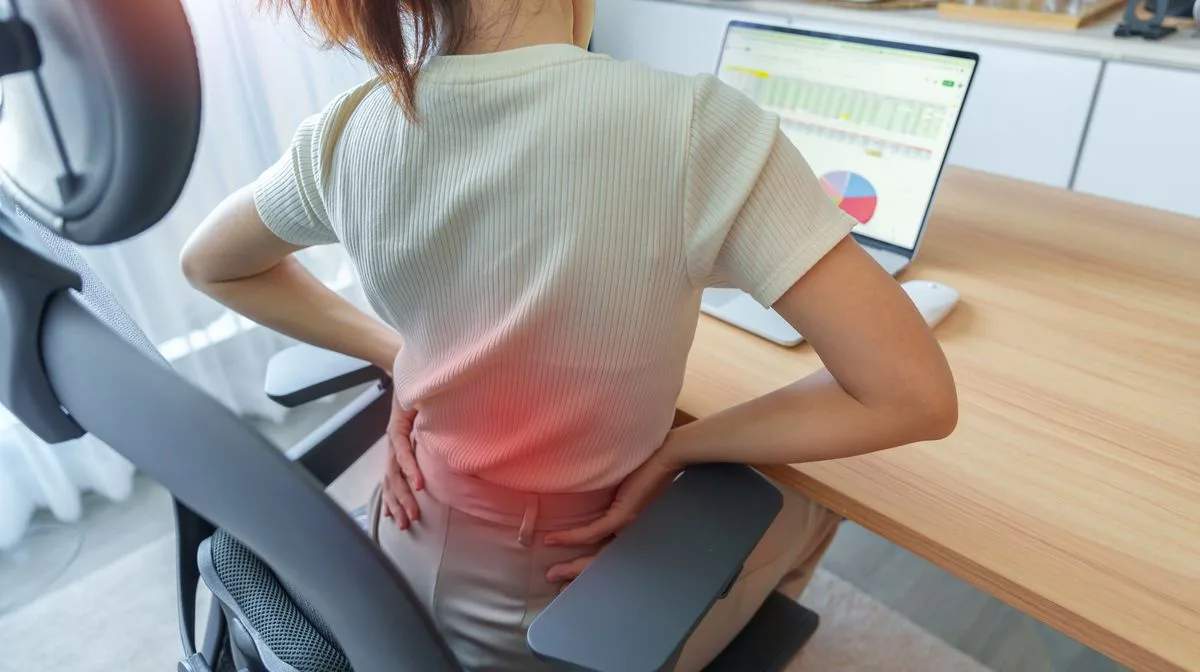
Physiotherapist Recommends '15-Minute Rule' to Combat Hip Pain
Dr Paulina Kloskowska, a physiotherapist and researcher specialising in injury prevention, has unveiled a straightforward '15-minute rule' that could help avert a widespread health complaint: hip pain. During an appearance on the What's Up Docs? podcast, hosted by doctors Chris and Xand van Tulleken, she highlighted how modern, sedentary lifestyles often contribute to this issue, but a simple daily habit might offer relief.
The Science Behind Hip Strain and Movement
Dr Kloskowska explained that the hip is a complex joint subjected to significant forces. Data indicates it can endure loads up to 300% of body weight during walking and an astonishing 900% during light jogging. However, prolonged sitting can tighten the muscles at the front of the hip, reducing their range of motion and creating tension and compression, which frequently leads to discomfort.
"When we sit a lot, the muscle is quite tight. It doesn't have the full range of movement. There is a lot of tension and compression as well in the front of the hip. This can bring up a lot of pain," she noted, emphasising that while this condition is typically not severe, it requires attention due to persistent lifestyle habits.
How the 15-Minute Walking Rule Works
The physiotherapist's advice centres on incorporating brief, regular movement into daily routines. "Very often what goes wrong is that we just don't move enough," Dr Kloskowska stated. "I do appreciate this is a bit of boring, basic advice, but every step counts. And sometimes we don't think that maybe going for a walk during lunchtime for 15-minutes is going to change anything in our lives."
She elaborated that a 15-minute walk translates into a specific number of steps, each applying force through the hip. "These 15 minutes is X amount of steps, times 300% of your body weight, through the hip, that gives signals to the receptors in our hip, to start building tissue, to start generating tissue, to stimulate the tissue adaptation. So it's going to work," she explained, underscoring how this activity prompts the body to strengthen hip tissues naturally.
Additional Strategies for Hip Health
Beyond walking, Dr Kloskowska suggested rebalancing exercise routines to alleviate hip pain. She pointed out that many training regimens, especially for women, tend to be front-dominant, focusing on muscles like the quadriceps while neglecting the posterior chain. "Very often what works for a lot of my patients is to try to offload this front of the hip. So try to put a little bit more focus on the back of the hip with our training. So what we want to do is maybe strengthen our glutes," she advised.
She recommended individuals assess their workouts: "What we can do is maybe have a look at our training, how many activities we're doing to exercise the front, and how many activities we're doing to exercise the back, and slightly shift the balance." This approach helps distribute forces more evenly, reducing strain on the hip's anterior structures.
While Dr Kloskowska stresses that anyone with health concerns should consult a qualified professional, her insights offer a practical, evidence-based starting point for preventing hip pain through modest lifestyle adjustments. The full discussion is available on BBC Sounds via the What's Up Docs? podcast.