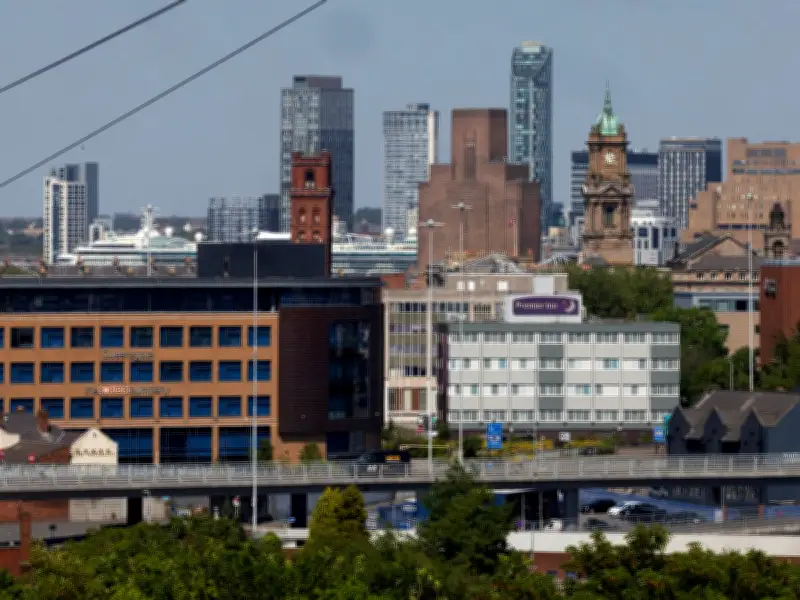
Wirral has been identified as having some of the most depressed areas in the UK, with seven of the country's 10 most depressed areas located in the borough. Birkenhead Central leads with a depression rate of 29.3%, more than double the national average for England. Every area within the Birkenhead parliamentary constituency reports a depression rate exceeding 20%, according to hyper-local health data from the House of Commons library.
Expert Analysis on Underlying Causes
Professor Mark Gabbay from the University of Liverpool's Institute of Population Health has weighed in on the factors driving these high rates. He emphasized the complex link between debt and depression, noting ongoing research into a debt advice program that shows promising results in reducing NHS usage and improving depressive symptoms. “This is unlikely to be straightforward,” he said, “but we know for example the link between debt and depression is complex and interlinked.”
Economic factors also play a significant role. Birkenhead has been hard hit by deindustrialization, leading to a lack of employment opportunities. Residents have pointed to this as a key concern. Professor Gabbay added: “Other important factors will be a lack of access to paid or unpaid work, there is also a complex but known link between excess alcohol use and or substance misuse and mood disorders. A loss of optimism and hope for a better future can be factors, and the breakdown of households and community cohesion.”
GP Diagnosis Accuracy and Stigma
A spokesperson from Wirral Public Health suggested that the high rates might partly reflect GP practices that are “exceptionally good at identifying and coding mental health issues.” However, Professor Gabbay dismissed the idea that these are false positives. “It is unlikely that these are false positives,” he stated, attributing the numbers to patients being more open to seeking help and GPs actively looking for depression, with reduced stigma around recording it.
The professor added that this openness could be beneficial: “The higher rates of depression could prove to be good for the future mental health of the Wirral” as it shows a willingness to address mental health struggles.
Community and Council Response
Wirral Public Health responded to the ECHO's reporting, noting that residents recognize the link between mental health, employment, and place. The spokesperson said: “It is encouraging to read that Wirral’s residents see the link between mental health and employment and place, and that they are optimistic about the future. Regeneration and employment are key areas of work that the council is committed to in order to improve people’s life chances.”