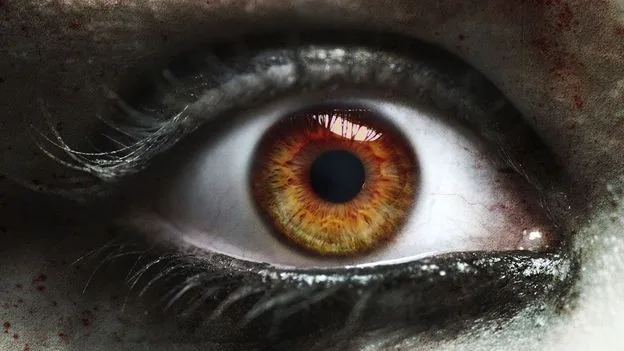
In the 21st century, belief in the paranormal remains widespread, with surveys showing up to three-quarters of Americans believing in some form of the supernatural and nearly one in five claiming to have seen a ghost. Even figures known for sharp thinking, such as Winston Churchill, Arthur Conan Doyle, and Alan Turing, reported paranormal experiences or beliefs.
Psychologists studying these phenomena suggest that many experiences have neurological explanations. For instance, reports of poltergeists moving objects may stem from damage to visual processing regions in the right hemisphere, while certain forms of epilepsy can create a feeling of a presence nearby. Out-of-body experiences are now recognised neurological events, and visual illusions, such as seeing a grizzled face in a mirror in dim light, occur when the brain struggles to construct facial contours and fills in missing information, sometimes creating skulls or monsters.
Beyond isolated incidents, researchers propose that belief in the paranormal can serve as a psychological shield against a lack of control. Jennifer Whitson of the University of Texas found that when people feel out of control, they are more likely to perceive illusory patterns, such as seeing structure in random stock market movements or linking unrelated events like knocking on wood for good luck. Similarly, Adam Waytz of Northwestern University explains that anthropomorphism—attributing human-like intentions to non-human entities—can lead people to imagine ghosts or spirits behind natural events, as a way to avoid acknowledging randomness.
These findings suggest that while paranormal beliefs may have hidden virtues, they also highlight how our minds seek meaning and control in an uncertain world.