TikTok Leads Woman to Rare hEDS Diagnosis After Lifetime of Injuries
TikTok Leads to Rare hEDS Diagnosis After Lifetime of Injuries

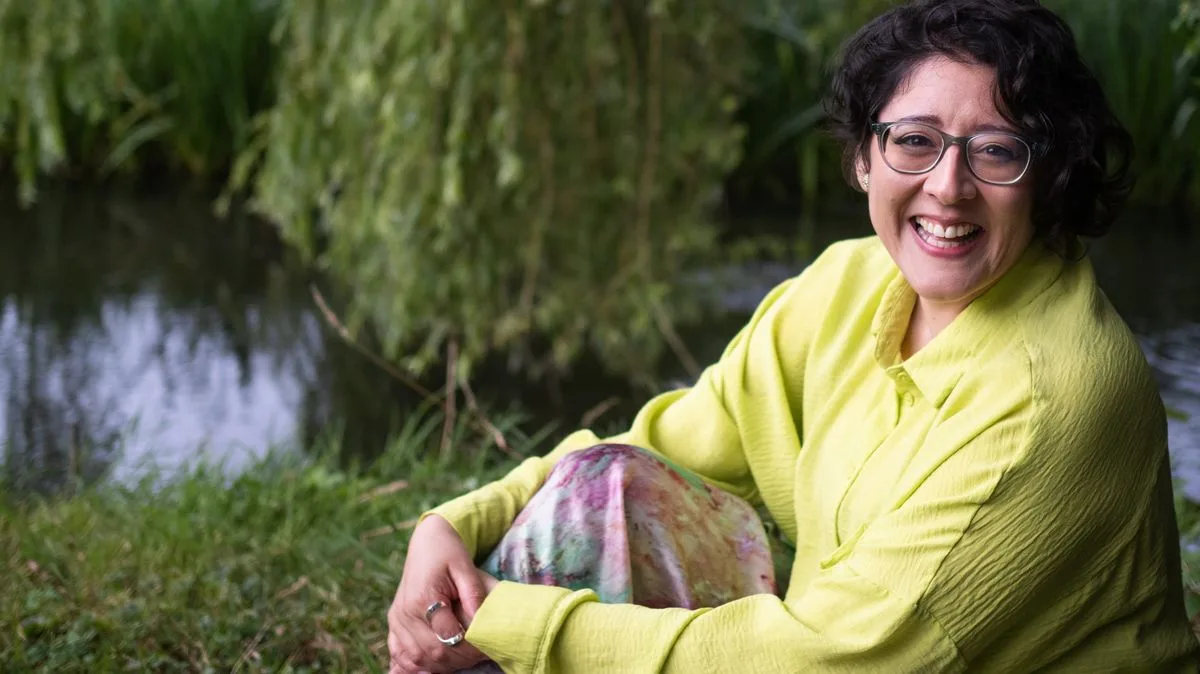
A writer who endured a 'lifetime of injuries'—from bloody ankles at school to gouging her fingers with a lollipop stick—has revealed that TikTok led to a rare diagnosis in her 40s. Lorraine Ansell, now 45, a writer, speaker, and advocate from Wiltshire, suffered 'silly injuries,' bruised easily, and experienced chronic pain for decades, but 'just couldn’t figure things out.'

Decades of Unexplained Pain

Lorraine had 'bloody ankles' from walking at school, once gouged the skin on her hand with a lollipop stick, ripped her leg on a key in an office drawer, and cut the inside of her mouth on crusty bread. Vision loss, teeth issues, and repeated injuries were treated separately. With blood and hormone tests normal, doctors dismissed her symptoms as 'growing pains.'

It wasn’t until she saw others on TikTok with 'similar stories' that she wrote to her GP, pushed for a referral, and received a diagnosis of hypermobile Ehlers-Danlos syndrome (hEDS) in 2022 at age 41. She has since written a memoir, The Surrender Agenda, to help others understand chronic pain and how to 'thrive.'

Wide Pickt banner — collaborative shopping lists app for Telegram, phone mockup with grocery list

From Childhood to Diagnosis

Lorraine has faced health issues since infancy—at six months old, she had a 'rash around her face' at her christening. She bruised easily and sustained injuries over the years. 'I remember going to school with my little white socks and they would be covered in blood—my ankles would be bloody—just because I knocked my ankles together walking,' she said. 'I would trip up, I was called clumsy, but I just couldn’t figure things out.'

At age six, her mother enrolled her in ballet to improve posture, but it marked 'the beginning of decades worth of injuries.' Her tummy would hurt, she felt tired, and as a toddler, her feet hurt as if she had run a marathon. Later, she needed glasses, had teeth issues, and braces, and in her teens, her knees hurt. Doctors gave her tape for her knees, which 'took skin off,' and she was diagnosed with scoliosis. She declined surgery due to GCSE exams and was told to 'just go and live your life.'

The Role of TikTok

Lorraine continued to suffer from stomach pain, migraines, rolled ankles, fatigue, and breathlessness. She was advised to 'push through the pain' and accepted it as normal. 'I was gaslighting myself, saying I’m fine,' she said. 'I had normalised all of this pain.'

She sustained 'silly injuries' like bumping into furniture. On holiday, she gouged her fingers on a lollipop jar. At work, a key ripped through her leggings and flesh. 'It bled everywhere… I’ve still got the scar.'

But scrolling on TikTok, she saw others with 'very similar issues and histories.' She first heard of hEDS and 'the cogs in my head started to turn.' 'Suddenly, I had confronted a whole algorithm of people with similar issues and they were calling it Ehlers-Danlos syndrome,' she said. About a year later, she wrote to her GP.

Diagnosis and Aftermath

A physio noted her knees were 'swimming around like islands in your leg, they’re just floating.' With the physio’s hypermobility experience, she was referred for rheumatology and officially diagnosed with hEDS in 2022 at 41. According to the Ehlers Danlos Society, hEDS is a heritable connective tissue disorder causing joint hypermobility, instability, and chronic pain, classified as rare.

'I felt really vindicated… but then I started to think, what now? What does the future look like?' she said. She began journaling to process her feelings. Her diagnosis proved vital when she suffered a detached retina in 2023; the specialist chose laser treatment over invasive surgery because her tissues were known to be thin, with a successful outcome.

Living and Thriving

Since there is no cure for hEDS, Lorraine focused on writing her memoir. 'I hadn’t realised I’d been carrying that burden for 40 years… and then I began this relationship with pain,' she said. She rejects the idea of fighting pain, instead learning to live with it. 'It’s about redefining what strength means and what it means to live with chronic pain—and in my case, I’ve chosen to learn to love it.'

Pickt after-article banner — collaborative shopping lists app with family illustration

She has launched a support group, CEMS ACCESS, for students and alumni with chronic illnesses at her university. 'I don’t want to just live, I want to thrive,' she said. 'I hope it just builds more empathy and awareness around people with chronic pain and chronic conditions.'




