Shona McGarty Reveals Personal Battle with Social Anxiety Disorder
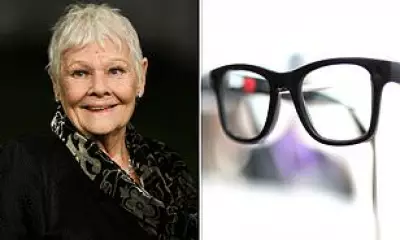
Former EastEnders actress Shona McGarty has courageously opened up about her longstanding struggle with social anxiety disorder, urging others facing similar mental health challenges to seek professional support. The singer and actress, best known for portraying Whitney Dean on the BBC soap opera and her recent appearance on I'm A Celebrity, disclosed that social anxiety has profoundly affected her life since adolescence.
The NHS Definition and Campaign Launch
The National Health Service defines social anxiety disorder, commonly referred to as social phobia, as a persistent and overwhelming fear of social situations. McGarty's decision to speak publicly coincides with the launch of a significant new NHS campaign designed to raise awareness and encourage individuals with six common anxiety conditions to self-refer for help through the official NHS website.
The campaign specifically targets conditions including post-traumatic stress disorder (PTSD), social anxiety disorder, and obsessive compulsive disorder (OCD), providing accessible online resources for those seeking assistance.

McGarty's Personal Experience with Social Anxiety
McGarty described a dramatic transformation in her personality during her teenage years. "I was always a chatty child, but as I got older, everything changed. Around 15, I suddenly became painfully self-aware," she explained. Her anxiety manifested severely across various social contexts, from meeting new people to professional interactions and family gatherings.
"My social anxiety would happen when meeting new people, with colleagues or even at family gatherings," McGarty revealed. The physical and emotional symptoms were debilitating: "My heart would race, my hands would sweat, and sometimes I thought I might faint. I sometimes pretend to receive a phone call just to leave a social situation."
Expert Insight from Health Psychologist Dr. Ravi Gill
Dr. Ravi Gill, a respected health psychologist and founder of Smart Mind Health, provided detailed analysis of social anxiety disorder, distinguishing it from ordinary nervousness or shyness. "People that experience social anxiety know that the fear that they have around these certain situations is not OK, so their nervous system reacts in a way that sends them into a slight bit of panic," he stated.
Dr. Gill emphasized that social anxiety represents "a genuine fear that something is going to happen and a fear of being seen and getting it wrong," noting its frequent association with imposter syndrome. He clarified the crucial distinction from general shyness: "General shyness would be just a hesitancy to want to get involved, whereas social anxiety would be someone who is more actively avoiding getting involved."
Professional and Personal Impacts of Social Anxiety
Social anxiety disorder can significantly disrupt both career development and personal relationships. In professional environments, "performance situations... such as speaking up in meetings, doing a presentation or making a phone call can all add pressure and really heighten someone's social anxiety," Dr. Gill explained.
Within social settings, individuals with the condition might "just sit there and observe the conversation and won't speak up and contribute," often fearing their opinions might be misunderstood or that they might say something inappropriate. This avoidance behavior can become increasingly harmful over time, as Dr. Gill warned: "If you start avoiding one thing, it then can become quite easy to tell yourself to avoid something else."
Recognizing Symptoms and Seeking Treatment
The condition manifests through a combination of emotional and physical symptoms. Common emotional experiences include "shame, embarrassment, worry, and feeling like the situation is going to be too much for them," often triggering a "negative thought spiral of overthinking a particular situation." Physical indicators can range from "butterflies in your stomach and tummy issues" to "a racing heart, sweaty hands, blushing and trembling." The NHS also identifies panic attacks as potential symptoms.

Dr. Gill advises seeking professional intervention "when you begin to recognise that it's starting to impact work, relationships and your own wellbeing." He confirmed that social anxiety disorder represents a diagnosable and treatable condition, with Cognitive Behavioural Therapy (CBT) proving particularly effective. CBT helps individuals "actively work through these thoughts, and take into consideration the emotions, and then look at how those particular two things impact their behaviour."
Additional Treatment Approaches and Support
Mindfulness techniques, including deep breathing exercises and grounding practices, can help regulate an overwhelmed nervous system. In certain cases, medication may be prescribed for short-term symptom management. "There's a group of medicines called SSRIs (selective serotonin reuptake inhibitors) which can help lessen the impact of symptoms," Dr. Gill noted, emphasizing that general practitioners conduct comprehensive clinical assessments before prescribing any medication.
The combination of celebrity advocacy through figures like Shona McGarty and institutional support through NHS initiatives creates a powerful framework for addressing social anxiety disorder and related mental health conditions across British society.