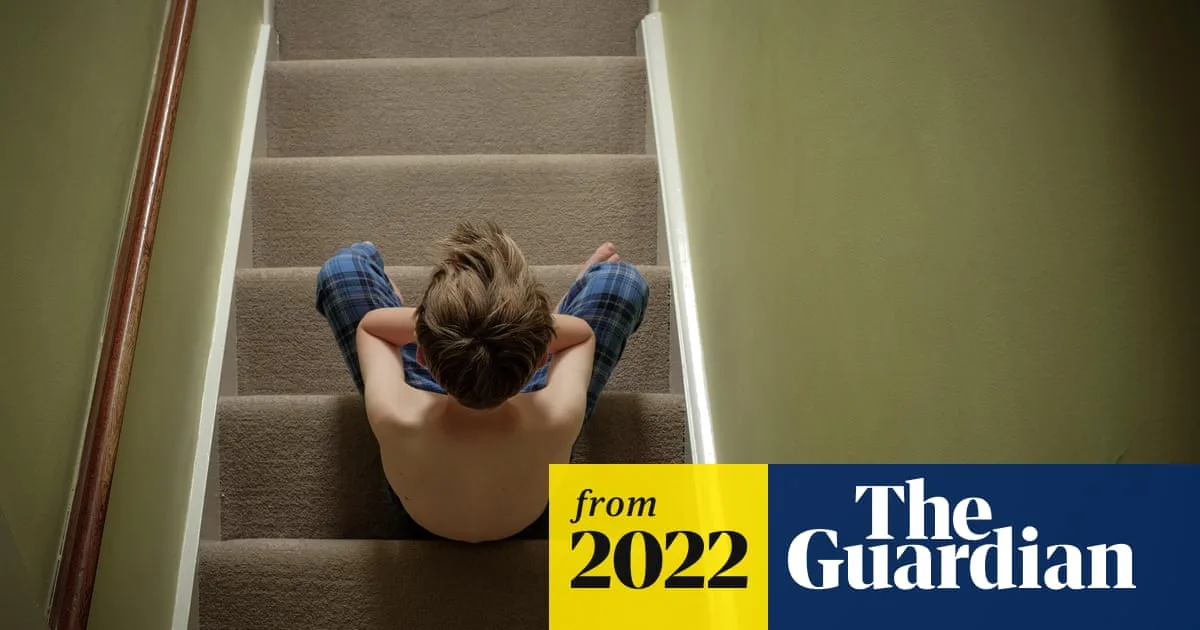
Exclusive survey findings from the youth mental health charity stem4 have exposed the extent to which NHS child and adolescent mental health services (CAMHS) are denying help to under-18s struggling with conditions such as anxiety, depression, self-harm, eating disorders, and psychosis. The survey of 1,001 GPs across the UK reveals that overstretched CAMHS teams often refuse care, deeming young patients 'not sick enough' to warrant treatment.
Shocking cases include a crisis CAMHS team in Wales that refused to immediately assess an actively suicidal child who had been stopped from jumping off a building earlier that day, unless the GP made a written referral. In eastern England, a 12-year-old boy found with a ligature in his room was declined care because the lack of marks on his neck meant referral criteria were not met. Some areas reportedly require children to wait up to two years after GP referral before receiving help.
Dr Nihara Krause, consultant clinical psychologist and founder of stem4, expressed alarm that young people with psychosis, eating disorders, or those who have attempted suicide face such long waits. 'Delayed treatment increases risk,' she warned, noting potential for deteriorating mental health, self-harm, school dropout, and reliance on A&E services. Almost one in five GPs surveyed knows of a patient who has tried or taken their own life after being refused CAMHS care.
Many GPs were scathing about local CAMHS provision, with some describing services as unsafe or dangerous. A GP in Yorkshire and the Humber said the situation is 'so appalling in our area it may as well not exist,' adding that support is only available if parents can pay privately or if a child is 'drinking bleach.' Some doctors have stopped referring to CAMHS altogether, directing young patients to A&E instead.
Tom Madders, director of campaigns at YoungMinds, called the findings 'deeply concerning' and highlighted the immense pressure COVID-19 has placed on CAMHS. He urged the creation of a UK-wide network of 'early support hubs' to provide rapid help for under-18s, preventing their needs from worsening and reducing reliance on crisis services.