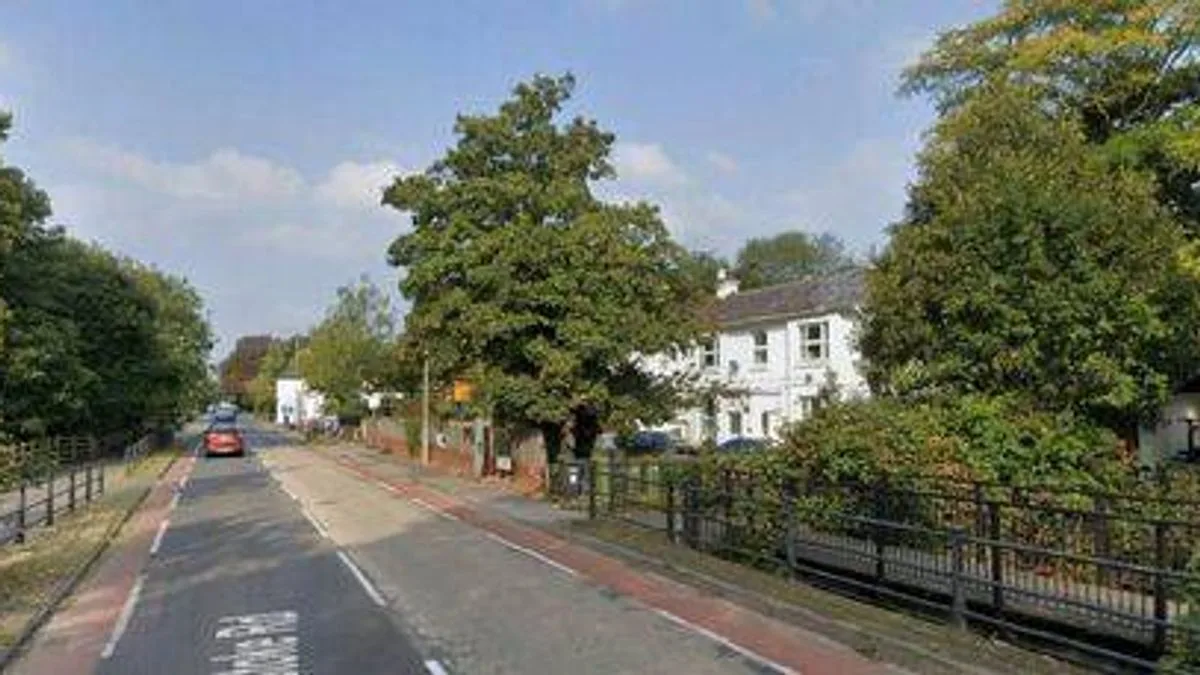
A mental health expert has provided a heartbreaking analysis of the desperate state of mind of a man who took his own life using a chainsaw after being forced to leave his home.
A Scene of Utter Devastation
David Phyall, 50, was found dead in the blood-soaked living room of his Hampshire home on 5 July. The quiet village property, where he had lived for eight years, became the site of an unimaginable tragedy. The official cause of death was recorded as a "complete transaction of the neck" resulting from a chainsaw wound.
Sergeant Mark Carter discovered the body. When Coroner Simon Burge asked if the scene was a huge shock, Sgt Carter replied, "In some ways it was sir." The incident followed a lengthy battle to prevent his eviction and the demolition of his 1960s flat.
A Home That Was His Identity
Speaking to The Mirror, therapist Phil Macleod, founder of Thought Reader, explained the profound psychological impact of the eviction on Phyall. "This is a deeply distressing and disturbing case," Macleod said. "For someone like David, his home wasn't just a roof over his head, it was part of his identity, his safety, his entire world."
Phyall, who had a history of mental health issues, had "irrationally opposed" moving, viewing the repossession as a profound injustice. He stubbornly remained as every other resident in his block moved out and boarded up their homes.
Despite repeated efforts by the First Wessex Housing Group, Phyall turned down 11 separate offers of alternative accommodation. The case eventually went to court, leading to the repossession order. Coroner Burge later stated the housing association had done all they could to assist him.
The Psychological Breaking Point
Phil Macleod detailed how enforced change can be perceived as a catastrophic threat by vulnerable individuals. "The stress and pressure can build until it feels unbearable," he explained. "If you're already anxious or struggle with mental illness, uncertainty can sometimes cause a switch in the brain which can turn into a constant state of alarm."
He emphasised that for Phyall, the fear was not merely about moving house. "It's the fear of losing control and not being able to cope with what comes next. He thought it was the only way out and chose a horrific way to do it, which deepens the concerns over the state of his mental wellbeing at that time."
The coroner noted that Phyall had planned the act carefully, indicating it was not a spontaneous moment of madness. "I think he did it to draw attention to the injustice of his situation," Coroner Burge concluded, recording a verdict of suicide.
Macleod expressed profound sadness that Phyall saw no alternative. "Support around him would have been essential... perhaps if he had coping techniques or therapy-based tools to manage and stabilise his thought patterns, he may have been more emotionally sound."
He issued a poignant reminder about the importance of reaching out. "When someone's anxiety is at dangerously high levels, logical thinking is severely affected. If you see someone struggling, a moment of care could change, or even save, a life."