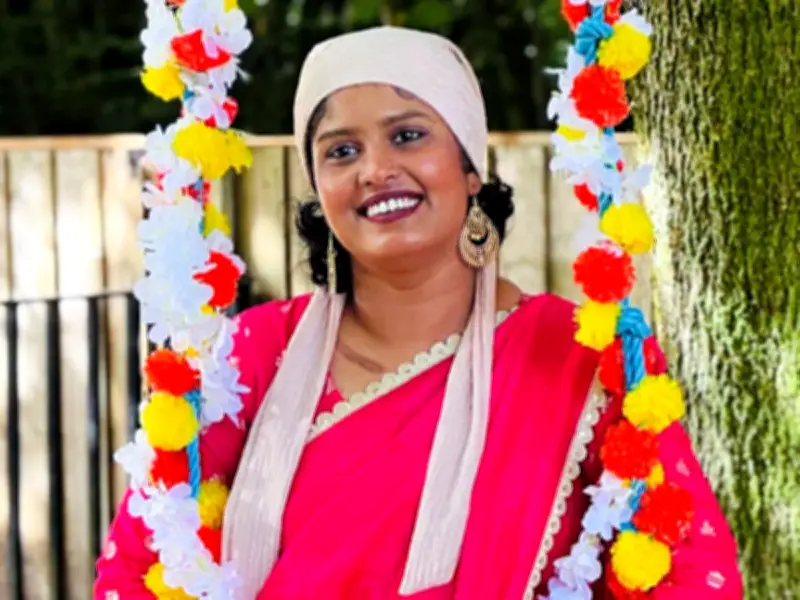
A woman who thought her symptoms were a holiday food poisoning bug picked up in Egypt was told she actually had a life-threatening disorder. Rafiya Sherin had been away in Egypt with friends when she returned home with an unshakeable dizziness.
The 30-year-old believed it could be linked to a bout of food poisoning she had while away. But, as her symptoms began to worsen, including sickness, muscle pain, fatigue and diarrhoea, she decided to get help.
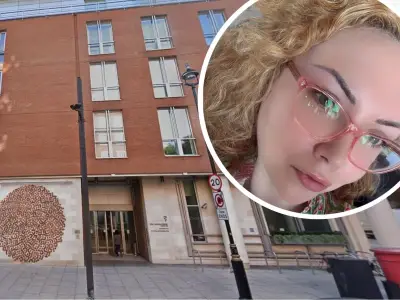
At hospital, she was told her bone marrow had failed; meaning it wasn't producing any new blood cells. “It's a scary prospect, as I'm a very social person,” said the marketing manager, from Preston.

Emergency treatment and diagnosis
“I love my work and being out and interacting with other people is an important part of who I am. The idea that I'm too ill to work or be around my friends and family has been hard to deal with.”
Rafiya's symptoms began while on holiday in Sharm El Sheikh, Egypt, in June 2026. After the diagnosis, she had an emergency blood transfusion the same day. Multiple tests followed and 10 days later it was confirmed she had severe aplastic anaemia.
It's a life-threatening disorder which affects around 100 people each year, according to blood cancer charity DKMS UK. Without treatment, it's usually fatal and those affected are given a few months, up to a year.
Search for a stem cell donor
Now, to give her a second chance at life, she's working with the charity in a bid to find a stem cell donor. As Rafiya is from an ethnic minority background, a match is few and far between.
She said: “Finding out about the register was a relief for me. I'm glad that it exists and that people can join to find out if they can help me or someone else in my position. But I'm also glad that I can use my story to encourage people to sign up.
“It's a scary diagnosis, but knowing that there is an easy, practical way that people can help, has given me a sense of purpose in my treatment. I hope that, in the future, when someone from an ethnic minority receives a diagnosis like mine, they'll feel a little less frightened knowing they have a better chance of finding a match because more people joined the register.”
Register appeal
Anyone aged 16-55 – and in general good health – can sign up. Currently, just seven percent of the eligible population in the UK are registered.
And, only 16% of the register is from an ethnic minority background; leaving Rafiya, and others of non-white heritages, with a less chance of finding their life-saving match. Rafiya is now reliant on regular blood transfusions and goes for monitoring multiple times a week.
She said: “It would mean the world to me and my family to see lots of people register. For someone like me, and for so many others waiting for a stem cell donor, every new person who joins the register could be someone's second chance at life.
“I honestly don't think there's an easier way to save someone's life than this. It costs nothing financially, and, for most people, requires so little. Even if someone isn't a match for me, they could go on to save another person and another family from going through what we're facing.
“Seeing our community come together with such kindness and hope would mean more than words can say.”