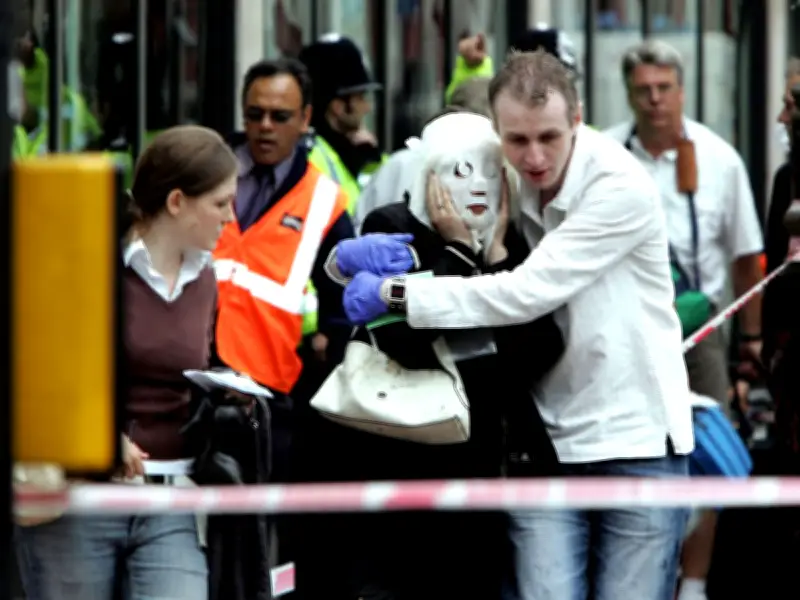
Dr Anthony Allnatt, 55, was 35 and working as a senior registrar in anaesthetics at the Royal London Hospital in Whitechapel on July 7, 2005, when four bombs exploded across London's transport network. Three devices detonated simultaneously at around 8:50am on Tube trains near Aldgate, Edgware Road, and Russell Square stations. A fourth bomb exploded at 9:47am on a bus at Tavistock Square in Bloomsbury.
First patients arrive within 90 minutes
Tony and his team were alerted to the incident at about 9:25am and received their first patient about 90 minutes later. When the surgical registrar arrived in theatre to deliver news of the first patient, Tony recalled: “He just looked so ghastly, like he'd seen something really bad.” The consultant anaesthetist added: “I knew that he'd seen all sorts of things, and I just had this feeling that maybe things were going to get pretty bad. And they did.”
Tony described the day's action plan as a feat of organisation, as mobile phone networks had been shut down to prioritise emergency service access, and the hospital's internal phone lines were overloaded and unusable. Staff of all levels had to physically run between departments to relay information and deliver messages.

Nine Priority One patients in 90 minutes
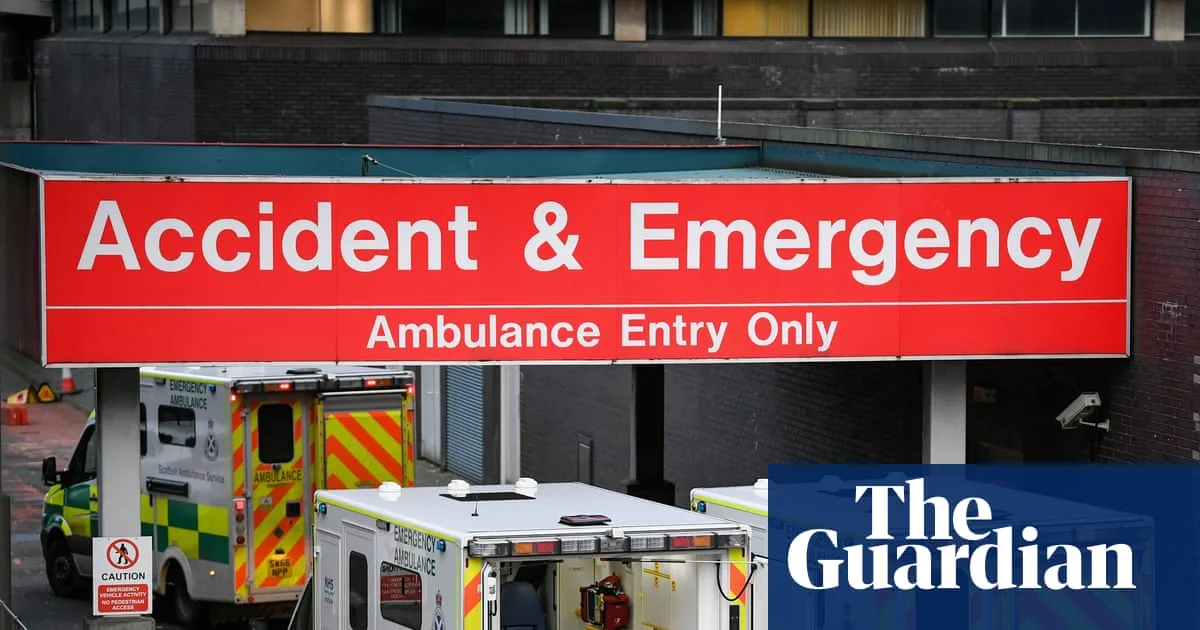
“We had nine Priority One patients – people who have a life or limb threatening injury – within about 90 minutes, which is exceptional,” Tony said. Despite three double-decker buses full of walking wounded arriving at the hospital's front door, the A&E department never became overwhelmed due to staff collaboration, and patients were treated quickly and properly.
Tony handed over at 8pm that evening. Getting back to his home in Theydon Bois, Essex, was difficult as the Tube was not running. He got a lift from a staff nurse from the ITU, but during the journey the realities of the day began to hit him. “I couldn't stand being in the car, which is very unusual. I asked her to drop me off well clear of my house, and I started to walk,” he said.
PTSD symptoms emerge
“I walked into my house, where my now-wife was waiting, and I just started weeping. I just couldn't stop,” he said. “I was due back at work the next day, so I had to sort of try and collect myself, and I thought, well, I'm never going to sleep. Of course, when I went to bed, I went immediately to sleep, but then I woke up a couple of hours later in a state of flight, and I was actually running out of the bedroom door before I really even woke up.”
In the aftermath, Tony experienced symptoms including “hyper awareness, hyper vigilance, hyper arousal, I wasn't sleeping, terrible nightmares” – all signs of Post-Traumatic Stress Disorder – though he said he “didn't realise how abnormal it was.” According to the British Medical Association, a doctor is lost to suicide every three weeks, and one nurse every week.
Second wave of attacks
Tony went into work the next day, a Friday, but after a sleepless night he was sent home, returning for his shifts that weekend. Over the course of the weekend, he cared for many of the patients admitted during the bombings. Two weeks later, on July 21, 2005, there were four more attempted bomb attacks on London's public transport network. Only the detonators exploded, causing no damage or injury, but when Tony heard about the attempts, he braced himself for another day treating mortally injured patients. “I just didn't know if I could do it all again,” he said.
Supporting colleagues' mental health
Now, Theatre Wellbeing Sessions are held for staff at the Royal London Hospital once a week, open to all who work in the theatre department. “One of the reasons why I am so passionate about the whole thing, is because I don't want people to go through what I've been through,” Tony added. “So I would hope that I would have had the insight and the courage to say, right at the beginning, I need help, rather than waiting, rather than not knowing what to do, rather than not knowing where to get the help. All these things are now available, and are widely known and well-advertised. Reducing the stigma is so important.”

As part of the commemorations for the 21st anniversary, London Mayor Sadiq Khan laid a wreath at the 7/7 memorial in Hyde Park. An artwork inspired by Tony's experience has been unveiled at the Royal London Hospital, as part of a gallery for the charity You Okay, Doc?, which supports doctors' and healthcare workers' mental health and wellbeing. A free, confidential, 24/7 text message support service is available through Shout for anyone feeling overwhelmed or struggling to cope; healthcare workers can text YOD to 85258 for support.