Emma Barnett Confronts the Reality of Motherhood Beyond 'Toxic Positivity'
Broadcaster and journalist Emma Barnett has launched a powerful critique against the pervasive culture of 'toxic positivity' that often surrounds new mothers. In a candid discussion, she argues that the common refrain to "enjoy every minute" of maternity leave is not only unrealistic but also dismissive of the profound challenges women face. Instead, Barnett proposes reframing this period as 'maternity service', a term that more accurately captures the gruelling, repetitive, and identity-shifting nature of early motherhood.
The Birth of a New Terminology: From Leave to Service
Emma Barnett, a 41-year-old award-winning broadcaster known for her roles on Radio 4's Women's Hour and the Today programme, draws from her personal experiences as a mother of two after years of fertility struggles and seven rounds of IVF. During what she describes as her 'second tour of duty' after the birth of her second child, Barnett began to articulate the raw realities of motherhood that are often glossed over in public discourse. This reflection culminated in her new book, Maternity Service, where she deliberately replaces 'leave' with 'service' to evoke the military-like dedication, sacrifice, and endurance required.
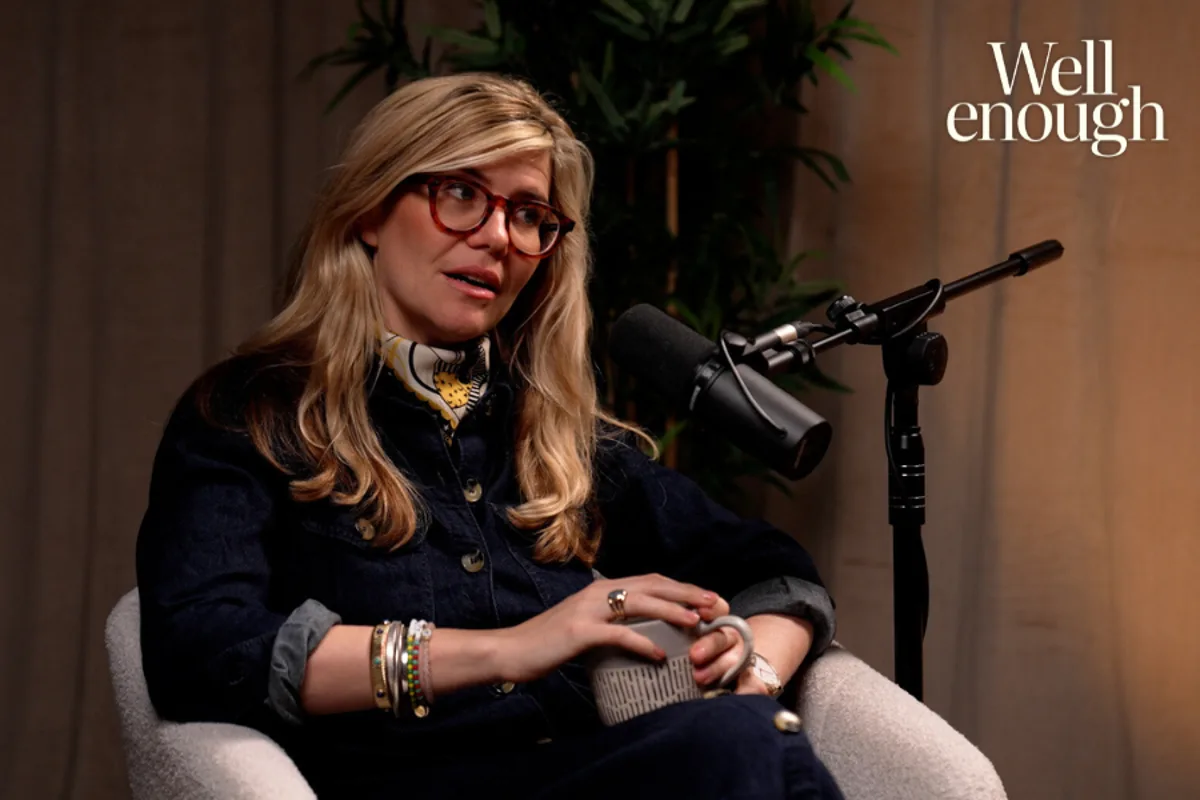
"The word 'service' speaks to the love, the repetitiveness, the digging deep that you need to do," Barnett explains on The Independent's Well Enough podcast. She emphasises that motherhood involves a seismic shift in identity, one that left her "groping around for language to describe it." This terminology extends to other aspects, such as her 'maternity uniforms'—loose dresses during IVF and stretchy black polo necks post-birth—which she humorously notes channelled Steve Jobs in their practicality for a healing body.
The Physical and Emotional Toll of Maternity Service
Barnett does not shy away from detailing the harsh physical realities of childbirth and recovery. Both of her children were delivered via cesarean section, an experience she vehemently defends against misconceptions of being an 'easy' option. "It's stomach surgery. It's the hardest thing I've ever done," she states, recounting a difficult recovery with complications like bladder issues and a hypertonic pelvic floor—conditions she was unprepared for due to a lack of public discussion.
Returning to work just three months after her son's birth to present Andrew Marr's programme on BBC 1, Barnett faced immense anxiety, compounded by breastfeeding and an inability to relax. She describes feeling "like I couldn't breathe," highlighting the jarring transition back to professional life amidst ongoing maternal duties. This underscores her broader point that motherhood often begins with injury, as most women enter this new phase while still healing, a reality rarely acknowledged in upbeat narratives.
Breaking the Silence: Matrescence and Honest Conversations
Barnett's journey led her to discover the term 'matrescence', coined by anthropologist Dana Raphael in the 1970s, which compares becoming a mother to puberty in its drastic brain and hormonal changes. This concept provided her with a framework to understand her experiences, yet she notes that such conversations were considered 'niche' as recently as 2018. Today, she advocates for more openness, rejecting claims that honest accounts of motherhood might deter women from having children.
"That's utter bollocks," Barnett asserts, arguing that declining birth rates are linked to economic hardships rather than candid memoirs. She believes that sharing the full spectrum of maternal experiences—from isolation and boredom to loss of identity and newfound love—can combat the isolation many new mothers feel. By reframing maternity leave as a service, Barnett aims to validate the struggles and foster a more supportive, realistic dialogue around parenting.




