
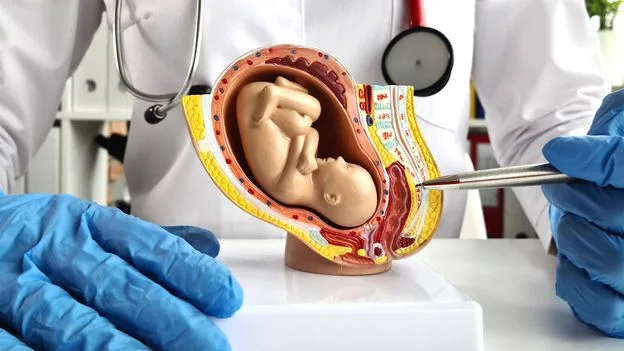
Scientists in the United States are developing an artificial womb, known as an extra-uterine environment for newborn development (Extend), to improve survival rates for extremely premature infants. The technology, pioneered at the Children's Hospital of Philadelphia (CHOP), aims to provide a fluid-filled environment that mimics the womb, allowing the foetus to continue developing without the need for mechanical ventilation.
Extremely premature babies, born at 22 to 23 weeks gestation, face severe health challenges, including underdeveloped lungs, heart, and brain. Current neonatal care relies on ventilation, which can cause lung damage and lead to chronic lung disease. The artificial womb bypasses the lungs by using a modified form of extracorporeal membrane oxygenation (Ecmo) to oxygenate blood, giving the foetus time to develop naturally.
Three research teams are working on similar technologies, all inspired by Ecmo, which is already used for older babies but is unsuitable for the tiniest infants. The artificial womb is not intended to grow a foetus from conception but to support those born on the cusp of viability, who currently have a 30% survival rate at 22 weeks with intensive care.
Ethical considerations remain before human trials can begin, including questions about the quality of life for survivors and the long-term effects of the technology. However, experts believe it could significantly reduce complications such as necrotising enterocolitis, sepsis, and cerebral palsy, which are common in extremely premature infants.




