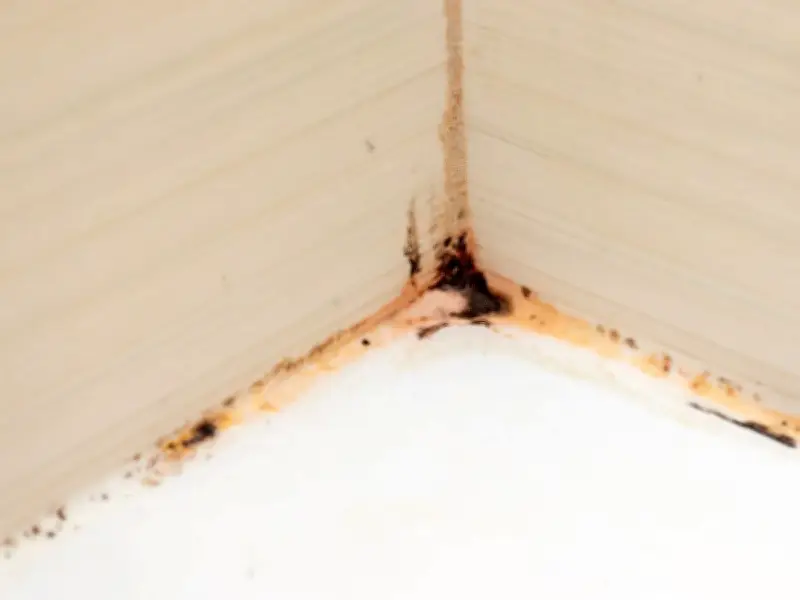
Bathroom mould on silicone sealant can be removed with a 25p hack that requires no scrubbing, using just toilet paper and bleach. The method is being shared across social media cleaning communities as October becomes a prime period for mould growth in British bathrooms.
As the heating is switched back on, damp autumn air, cooler wall and window surfaces, and tightly closed windows trap moisture from everyday showers and baths. When this settles on chilly surfaces, it creates ideal conditions for mould development, with silicone sealants around baths, shower trays, sinks and tiles among the first areas affected.
Why the bleach-soaked tissue method works
Guy Chapman, silicone manufacturing specialist at United Silicones, explained that spray cleaners tend to run off sealant within seconds. He advised: "Toilet paper holds the bleach against the silicone, so it stays in contact long enough to lift deep-set staining. Using a gel or thicker bleach helps it cling."
The method costs next to nothing, with a single treatment costing just 25p. Cleaning enthusiasts claim the bleach-soaked tissue approach can transform discoloured sealant if left for a sufficient amount of time.
Five steps to remove sealant mould
Chapman issued five simple steps for the method. First, wear rubber gloves and eye protection, ensure the room is well ventilated by opening a window or running an extractor fan, and keep children and pets away.
Second, wipe away any soap scum and dry the area as well as possible so the bleach can reach the mould. Third, place toilet roll or kitchen paper directly along the sealant, soak it with undiluted bleach, press it down gently so it stays in full contact with the silicone, and top it up with more bleach if it begins to dry out.
Fourth, leave it for 12 to 24 hours. Some online guidance states an hour will do, but the longer the bleach is left, the more effective the result is. It is best to leave the bleach-soaked paper overnight, then peel it away and rinse the area thoroughly with water. Fifth, repeat the process if any stubborn stains remain; most staining will disappear after one or two applications.
Expert advice on mould prevention
Chapman said: "October is when we see mould really start to flourish in bathrooms. The heating goes on, windows stay shut, and warm, steamy air meets colder walls and surfaces. That moisture sits there for hours, and mould only needs those conditions to start developing."
He added: "Silicone sealant is water-resistant, but it isn't mould-proof. In most cases, it's not the sealant's fault, but the surrounding conditions. The bleach-soaked tissue method works because it holds the bleach against the sealant for hours rather than seconds, which is what's needed to lift deep-set staining. It's surprisingly effective, but always wear gloves and eye protection, ventilate the room, and test a hidden area first."