The NHS has issued an urgent “don’t wait” warning for households across the UK as an early flu season builds. Flu cases rose to 6.5% in the week to October 4, up from 5.% the previous week, and A&E attendances for flu are already above seasonally expected levels.
Early flu activity higher than usual
The UK Health Security Agency (UKHSA) warned this week that flu season may be starting earlier this year, with flu activity throughout September higher than over the past four winters. The upward trend suggests flu levels will continue rising in the coming weeks, with the rise so far largely driven by 18 to 24-year-olds.
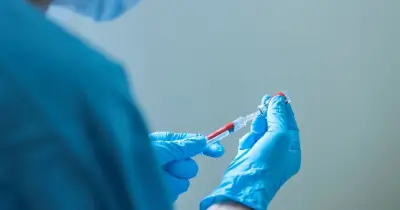
As flu activity is already trending higher than usual so early in the year, households are being urged to get vaccinated “sooner rather than later” to ensure the best chance of protection before the virus takes hold more widely. Delaying vaccination leaves people exposed as it takes a couple of weeks for the vaccine to provide full protection, so with the flu season arriving earlier, it is crucial not to wait for winter to get the jab.
Winter pressure already building
NHS England’s National Medical Director, Professor Frankie Swords, warned this week that winter pressure is already building, with more patients, including children, arriving at A&E with flu and other respiratory viruses, including respiratory syncytial virus (RSV) and Covid-19.
Professor Swords said: “Staff are already seeing the ominous early signs of pressure, with more patients coming to A&E with flu and other respiratory viruses than usual for this time of year, and unfortunately many people are still waiting longer than we would like them to.”
“This is why it’s absolutely crucial to take up the offer of flu, RSV, COVID-19 and other vaccinations if you’re eligible, to protect yourself, your family and the public. We all have our part to play, so please don’t wait for winter – come forward to your GP or pharmacy now and get protected.”
Vaccine rollout timing and eligibility
Flu becomes particularly prevalent during winter as people spend more time indoors and in close contact with others, making it easier for the virus to spread. While flu generally gets better on its own for most people, for others it can lead to more serious illness.
According to the NHS, flu typically peaks around December and January, so the decision has been made to offer the vaccine to older adults later from October to ensure its effectiveness when the virus is circulating. As flu circulation in children normally precedes that in adults, the children’s programme started earlier from September. Protection from the vaccine also lasts “much longer” in children, so an earlier start date for the vaccine rollout could reduce flu rates in older adults “through indirect protection”.
People can get the free NHS flu vaccine if they are aged 65 or over (including those who will be 65 by 31 March 2027), are aged 18 to 64 and have certain long-term health conditions, are pregnant, live in a care home, are the main carer for an older or disabled person or receive a carer's allowance, live with someone who has a weakened immune system, or are aged 16 or over and rough sleeping or staying in a homeless hostel or night shelter.
The NHS will contact people when they can get their flu vaccine, which will either be available from a GP surgery or a pharmacy that offers NHS flu vaccination. The vaccine usually takes up to 14 days to work, and the types of flu virus the vaccine protects against are updated each year, so it is important to get a jab every year.
The UKHSA said: “If you're eligible for a free flu vaccine, the advice is simple: don't wait. You can check your eligibility and book an appointment through the NHS App, online, or by contacting your GP practice or a local pharmacy. For school-aged children, most vaccines are delivered in schools by local immunisation teams. Look out for consent forms and return them.”
“Community clinics are available for children who miss school sessions. From 1 December 2026, school-aged children from Reception to Year 11 who did not get vaccinated in school can also get vaccinated at a pharmacy. Given the early signs this season, getting protected now, rather than later, is the best way to guard against serious illness this winter.”